
Free delivery on all NHS prescriptions — order now
- Home
- Travel Health
- Altitude Sickness
- Acetazolamide
Acetazolamide

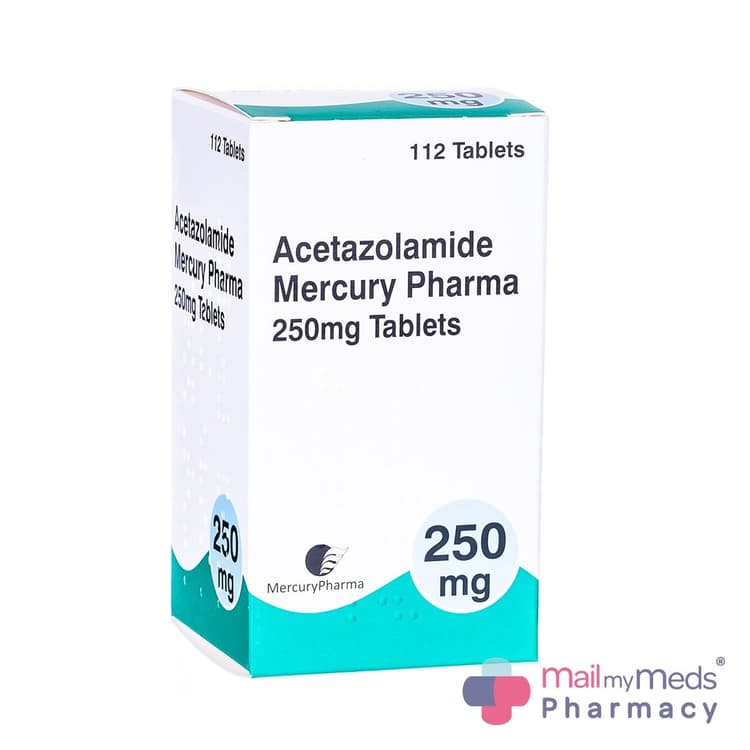


Images for illustrative purposes only
Acetazolamide is a potent carbonic anhydrase inhibitor used to reduce fluid pressure in the eye for glaucoma patients and to prevent symptoms of acute mountain sickness during high-altitude travel. This active ingredient also functions as a diuretic to manage fluid retention (oedema) associated with certain heart conditions or medication use.
- Reduces intraocular pressure and treats oedema
- Clinically used to aid acclimatisation and prevent mountain sickness
- Available for both NHS repeat and private medical orders
- All orders are reviewed by UK-registered healthcare prescribers
More information
"Acetazolamide is a versatile medication typically prescribed to manage intraocular pressure in glaucoma, treat fluid retention, and prevent altitude sickness by aiding pH balance and acclimatisation. As a carbonic anhydrase inhibitor, it is a clinical staple for patients needing to regulate fluid levels or adapt to low-oxygen environments safely." - Rachael Clarke MRCPharm MFRPSI FRSPH (GPHC Number: 2061366)
You can buy Acetazolamide safely through our streamlined online consultation process which ensures the medication is clinically appropriate for your specific health needs. Once you complete our medical assessment, a registered prescriber will review your details. If approved, your treatment is shipped discreetly from our pharmacy (GPHC Number: 9011560) directly to your door.
The cost of Acetazolamide at Mail My Meds is kept competitive to ensure patients can access essential treatments without unnecessary financial strain. While prices may vary based on your specific prescription requirements (NHS or private), we maintain transparency throughout the checkout process so you know the exact value before confirming your order.
We provide a variety of reliable delivery methods to ensure your medication arrives promptly and in secure, discreet packaging. Patients can choose from several UK-wide shipping tiers at the point of purchase, allowing you to select the speed and convenience that best fits your schedule.
Acetazolamide is a medication primarily used to treat glaucoma, manage fluid retention (oedema), and prevent or reduce the symptoms of high-altitude sickness. In the UK, it is frequently utilised by mountaineers for acclimatisation and by ophthalmologists to lower intraocular pressure, helping to prevent optic nerve damage.
The active ingredient is acetazolamide, a chemical compound classified as a carbonic anhydrase inhibitor. This substance works by reducing the activity of a specific enzyme in the body, which in turn decreases the production of certain fluids, such as the aqueous humour in the eye or cerebrospinal fluid.
Many users report that Acetazolamide is highly effective at preventing the "hangover-like" symptoms of altitude sickness, such as headaches and nausea, when taken 24 to 48 hours before ascent. Patients treating glaucoma often find it a reliable secondary treatment when eye drops alone are insufficient, though some note a distinct "tingling" sensation in the fingers and toes as a common early experience.
The Patient Information Leaflet (PIL) is included in every box of medication and contains vital data regarding ingredients, usage, and safety. You should read this document thoroughly before starting your treatment to understand the clinical profile of the medication provided by the manufacturer.
Acetazolamide works by inhibiting the carbonic anhydrase enzyme, which reduces the rate at which the body produces certain fluids and alters the balance of bicarbonate in the blood. For altitude sickness, this process stimulates deeper breathing to increase oxygen intake, while for glaucoma, it lowers the volume of fluid within the eyeball to reduce pressure.
You should swallow the tablets whole with a glass of water, either with or without food, as directed by your prescribing clinician. If you are using it for altitude sickness, it is standard practice to begin the course 1 to 2 days before you start your ascent and continue for at least 48 hours after reaching your highest point.
The dosage of Acetazolamide depends entirely on the condition being treated and the specific instructions provided by your doctor or pharmacist. Common regimes include:
| Condition | Typical Adult Dosage |
|---|---|
| Altitude Sickness Prevention | 125mg to 250mg twice daily |
| Glaucoma Management | 250mg to 1,000mg per day in divided doses |
| Fluid Retention (Oedema) | 250mg to 375mg once daily |
Common side effects of Acetazolamide include a tingling sensation in the extremities (paraesthesia), a metallic taste in the mouth, and increased frequency of urination. While many people experience no issues, some may also encounter:
- Loss of appetite or nausea
- Dizziness or drowsiness
- Headaches
- Flushing or thirst
You should not take Acetazolamide if you have a known allergy to sulfonamides, severe kidney or liver disease, or chronic non-congestive angle-closure glaucoma. It is important to inform your prescriber if you are pregnant, breastfeeding, or taking other medications such as aspirin, lithium, or anti-epileptic drugs, as these can interact with the treatment.
Acetazolamide is unique as an oral treatment for glaucoma, often used when topical eye drops (like beta-blockers or prostaglandin analogues) are not enough to control pressure. For altitude sickness, it remains the primary preventative choice over over-the-counter pain relief, as it addresses the underlying physiological cause of mountain sickness rather than just masking the symptoms.
Can I drink alcohol while taking Acetazolamide?
It is generally advised to avoid alcohol while taking this medication, as both substances can cause dehydration and increase the risk of dizziness. Alcohol can also worsen the symptoms of altitude sickness, making it harder to monitor your health effectively.
Is Acetazolamide available on the NHS?
Yes, Acetazolamide is available via NHS prescription for conditions like glaucoma and epilepsy. At Mail My Meds, we can fulfil both your repeat NHS prescriptions and private prescriptions for travel-related needs.
Will this medication make me pee more?
Yes, as a mild diuretic, Acetazolamide increases the frequency of urination. This is a normal part of how the drug helps your body shed excess fluid and balance electrolytes.
The information provided on this page is for general informational purposes only and should not replace seeking advice from a medical professional. Always consult with a doctor or pharmacist for personalised medical guidance regarding your specific health condition and treatment plan.
Our content is regularly reviewed by our team of medical experts to ensure it remains up to date, accurate and reliable. We prioritise the latest UK clinical guidelines to provide you with the most trustworthy information for your healthcare journey.


