
Free delivery on all NHS prescriptions — order now
- Home
- Chronic Conditions
- Gout
- Allopurinol
Allopurinol

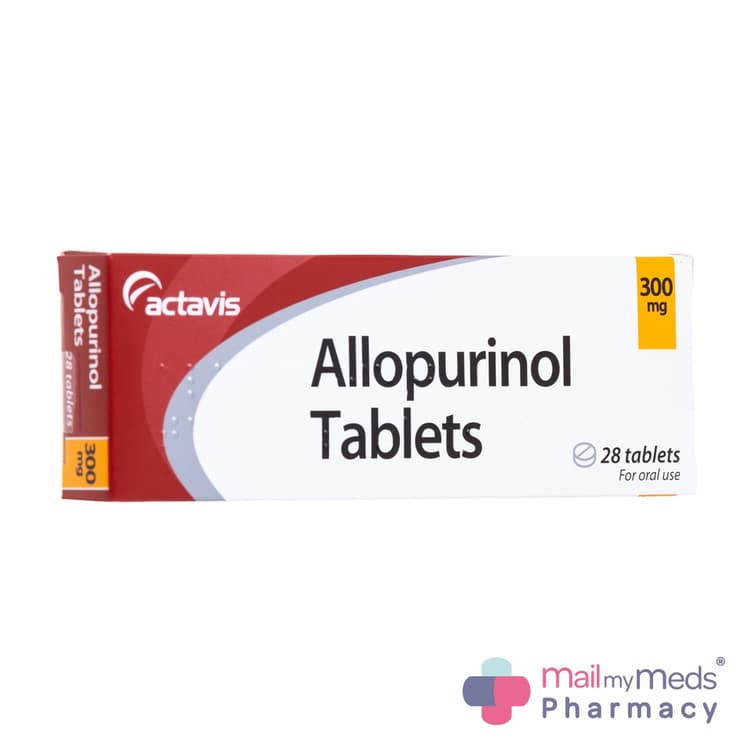


Images for illustrative purposes only
Allopurinol is a xanthine oxidase inhibitor used for the long-term management of gout and kidney stones, working to lower high uric acid levels in the blood to prevent painful inflammatory flares.
- Available in multiple strengths for flexible daily dosing
- Effective preventative treatment for chronic gout and hyperuricaemia
- Reduces the formation of urate crystals in joints and tissues
- Convenient online NHS and private prescription fulfilment
More information
"Allopurinol is the primary preventative medication we dispense for patients suffering from chronic gout, recurrent calcium oxalate kidney stones, and certain types of hyperuricaemia. It is designed for long-term reduction of uric acid levels rather than immediate pain relief during an acute attack. Our clinical team ensures that every patient receives the correct guidance to manage their condition effectively and safely."
— Rachael Clarke MRCPharm MFRPSI FRSPH (GPHC Number: 2061366)
You can buy Allopurinol safely through our online pharmacy following a digital consultation with a registered UK prescriber to ensure this medication is clinically appropriate for you. Once your consultation is approved, your prescription is dispensed and shipped directly to your door in discreet packaging from our registered pharmacy (GPHC Number: 9011560).
The price of Allopurinol from Mail My Meds varies depending on the quantity you need as well as the strength you need. We always aim to keep our prices competitive and in line with NHS prescription charges.
We provide multiple delivery methods to suit your schedule, including tracked services for all Allopurinol orders. Most patients receive their treatment within 1 to 2 working days after prescriber approval, ensuring your preventative gout management remains uninterrupted.
Allopurinol is a prescription medication known as a urate-lowering therapy (ULT) used primarily to prevent gout attacks and kidney stones by controlling the amount of uric acid produced by your body. While it is highly effective at preventing future inflammation, it is not a painkiller and will not provide immediate relief for a gout flare that has already started.
The active substance in this medication is allopurinol, which belongs to a group of medicines called xanthine oxidase inhibitors. Each tablet also contains inactive ingredients (excipients) such as lactose, corn starch, and magnesium stearate, which vary slightly depending on the specific manufacturer.
Most users report a significant reduction in the frequency and severity of gout attacks after the first few months of consistent use. According to data from the NHS and NICE, successful long-term use of Allopurinol can eventually lead to the complete disappearance of gout symptoms, though some patients may experience a temporary increase in flares when first starting the treatment.
Every order of Allopurinol includes a comprehensive Patient Information Leaflet (PIL) that details specific instructions, storage requirements, and safety data. You should read the PIL thoroughly before starting your first dose to understand the profile of the medicine you have been prescribed.
Allopurinol works by blocking the enzyme xanthine oxidase, which is responsible for the final steps of uric acid production in the liver. By inhibiting this enzyme, the drug lowers the concentration of uric acid in your blood and urine, preventing the sharp urate crystals from forming and depositing in your joints (which causes gout) or kidneys.
You should take Allopurinol once a day, preferably after a meal, and swallow the tablet whole with a glass of water to reduce the risk of stomach upset. It is vital to maintain high fluid intake (2 to 3 litres of water daily) while taking this medication to support kidney function and help clear uric acid from your system.
The starting dose for Allopurinol is typically 100mg once daily, which may be gradually increased by your doctor based on your blood test results. Most adults find their maintenance dose falls between 300mg and 600mg per day, though the maximum recommended dose can reach 900mg in severe cases.
The most common side effect of Allopurinol is a skin rash, which requires immediate cessation of the drug and consultation with a medical professional. Other potential side effects include:
- Nausea or vomiting
- Drowsiness or dizziness
- Changes in liver function tests
- Temporary increase in gout flares (initial phase)
You must inform your prescriber if you have existing kidney or liver problems, as your dose may need to be adjusted more slowly. Avoid taking Allopurinol if you are having a severe allergic reaction to the drug or if you have a history of Stevens-Johnson syndrome; additionally, certain ethnic groups (such as Han Chinese or Thai) may carry a gene (HLA-B*5801) that increases the risk of severe reactions.
| Medication | Type | Best For |
|---|---|---|
| Allopurinol | Urate-Lowering Therapy | Long-term prevention and lowering uric acid levels. |
| Colchicine | Anti-inflammatory | Treating acute flares and preventing flares when starting Allopurinol. |
| Febuxostat | Xanthine Oxidase Inhibitor | An alternative for patients who cannot tolerate Allopurinol. |
Can you take Allopurinol and Colchicine together?
Yes, doctors frequently prescribe Colchicine alongside Allopurinol during the first six months of treatment to prevent the gout flares that often occur when uric acid levels fluctuate. This combination is a standard clinical practice recommended by the British Society for Rheumatology.
Does Allopurinol shorten your life?
No, clinical studies actually suggest that Allopurinol may have protective effects on the cardiovascular system and kidneys in patients with high uric acid. Research published in the British Medical Journal (BMJ) indicates that properly managing gout with Allopurinol can improve long-term health outcomes.
Should I take Allopurinol during a gout attack?
You should not start Allopurinol during an active gout attack; however, if you are already taking it daily, you should continue your dose during a flare. Starting the medication mid-flare can worsen the inflammation due to rapid shifts in urate levels.
How long does it take for Allopurinol to work?
It typically takes 2 to 3 months of consistent use to see a significant reduction in gout attacks, although uric acid levels begin to drop within the first few days. It can take up to a year of treatment to fully dissolve existing urate crystals in the body.
The information provided on this page is for general informational purposes only and is not a substitute for professional medical advice, diagnosis, or treatment. Always seek the advice of your doctor or another qualified health provider with any questions you may have regarding a medical condition or before starting any new medication.
At Mail My Meds, our content is regularly reviewed by a dedicated team of medical experts and pharmacists to ensure all clinical information is up to date, accurate, and reflects the latest UK healthcare guidelines from the NHS and NICE.


