
Free delivery on all NHS prescriptions — order now
Amlodipine

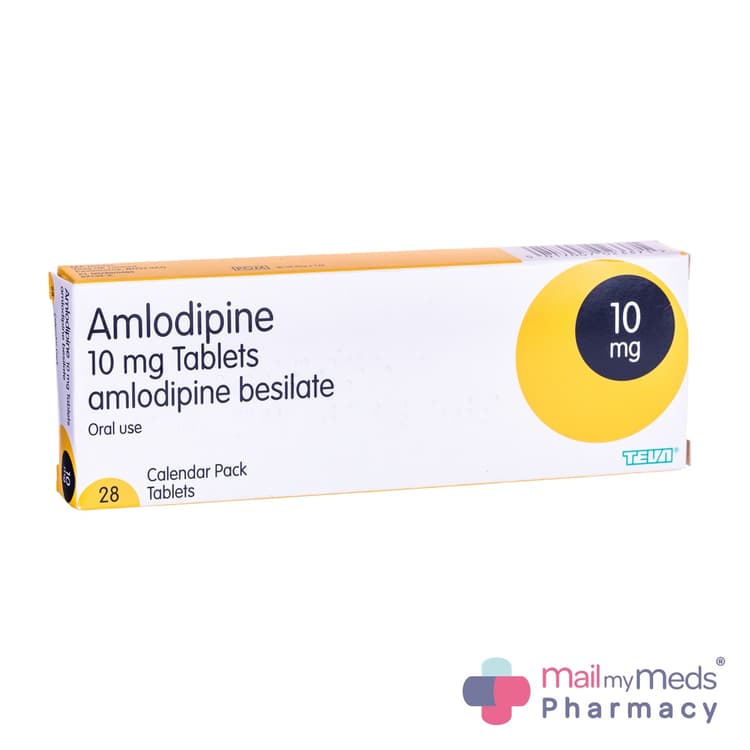


Images for illustrative purposes only
Amlodipine is a highly effective calcium channel blocker medication used to treat hypertension (high blood pressure) and prevent chronic stable angina by relaxing blood vessels.
- Clinically proven to lower high blood pressure and reduce the long-term risk of heart attacks and strokes
- Helps manage chest pain by increasing oxygen delivery to the heart
- Available in multiple strengths to suit your specific needs
- Simple 24-hour dosing schedule that can be taken with or without food
More information
Amlodipine is a first-line antihypertensive treatment widely prescribed within the NHS to help patients manage hypertension and prevent cardiovascular complications like strokes or myocardial infarction. It belongs to the dihydropyridine class of calcium channel blockers and is also vital for patients suffering from chronic stable angina or Prinzmetal's angina. As a long-acting medication, it provides consistent 24-hour coverage, making it an important part of cardiovascular care.
— Rachael Clarke MRCPharm MFRPSI FRSPH (GPHC Number: 2061366)
You can buy Amlodipine online through Mail my Meds by completing a brief clinical consultation which is reviewed by a UK-registered prescriber to ensure the medication is safe and appropriate for your condition. Once approved, your prescription is dispensed and shipped directly from our registered pharmacy (GPHC Number: 9011560) in discreet, plain packaging to ensure your privacy and convenience.
Amlodipine prices at Mail my Meds are competitive, transparent and depend on the pack size and specific brand or generic version required. Because Amlodipine is a generic medication, it offers a cost-effective solution for long-term blood pressure management compared to branded alternatives.
We provide multiple delivery options to suit your schedule, including tracked services for reliable home delivery across the UK. For urgent requirements, we offer a next-day delivery service if your consultation is approved before our daily cut-off time, ensuring you never miss a dose of your essential blood pressure medication.
Amlodipine is a prescription medication primarily used to treat hypertension (high blood pressure) and to prevent chest pain caused by angina. By effectively managing blood pressure levels, it helps protect your vital organs and reduces the risk of serious health emergencies such as heart failure, kidney disease, and strokes. According to the NHS, it is often prescribed to adults and children aged 6 years and older.
The active ingredient in this medication is amlodipine (as amlodipine besilate), which acts as a potent vasodilator. Each tablet contains either 5mg or 10mg of the active chemical, along with inactive excipients such as microcrystalline cellulose and magnesium stearate which help form the tablet structure. It contains no animal products, making it suitable for most dietary requirements.
Most users report that Amlodipine is highly effective at lowering their blood pressure readings within the first few weeks of treatment. While some patients mention initial side effects like mild flushing or headaches, these often subside as the body adjusts. However, a segment of users (roughly 10% according to clinical trials) may experience ankle swelling, which is a known physiological response to the way the medication dilates peripheral blood vessels.
The Patient Information Leaflet (PIL) provides essential safety data and a full list of ingredients for your specific brand of Amlodipine. You should always read the leaflet provided in your medication box before starting treatment. Digital versions are also available via the Electronic Medicines Compendium (eMC) to help you understand contraindications and storage requirements.
Amlodipine works by inhibiting the movement of calcium ions into the smooth muscle cells of your heart and blood vessel walls. This "calcium channel blocking" effect causes the blood vessels to relax and widen (vasodilation), which allows blood to flow more easily and lowers the pressure against your artery walls. For angina, it improves blood flow to the heart muscle, ensuring it receives more oxygen during physical exertion.
You should take Amlodipine exactly as prescribed by your doctor, usually as one tablet taken at the same time every day. The tablets can be swallowed whole with a glass of water and are not affected by food, meaning you can take them before or after meals. If you find the tablets difficult to swallow, some versions can be dispersed in water, but you must drink the entire mixture immediately.
The standard starting dose for most adults is 5mg once daily, which may be increased to a maximum dose of 10mg daily if your blood pressure remains high. For older patients or those with liver issues, a lower starting dose of 2.5mg is sometimes recommended to minimise the risk of side effects. Never exceed the maximum dose of 10mg in a 24-hour period unless specifically instructed by a consultant.
Common side effects of Amlodipine include headaches, feeling dizzy, flushing, and oedema (swelling of the ankles or feet). While most side effects are mild, some patients may experience more persistent issues.
- Swollen Ankles: Occurs because the medication dilates small blood vessels, sometimes causing fluid to leak into surrounding tissue.
- Dizziness: Most common when you first start the medication or if your blood pressure drops too quickly.
- Palpitations: A noticeable heartbeat that usually settles after a few days of treatment.
- Nausea: Mild stomach upset or abdominal pain can occur.
Amlodipine may not be suitable for everyone, particularly those with severe low blood pressure (hypotension) or certain heart valve conditions. You must avoid consuming large amounts of grapefruit or grapefruit juice while taking Amlodipine, as it can increase the concentration of the drug in your blood and lead to unpredictable drops in blood pressure. Additionally, inform your prescriber if you are taking Simvastatin, as Amlodipine can increase the levels of this cholesterol medication in your system.
Amlodipine is often compared to ACE inhibitors like Ramipril or other calcium channel blockers like Lercanidipine. Each class of medication works differently to achieve the same goal of reducing cardiovascular risk.
| Medication | Class | Common Side Effect | Primary Benefit |
|---|---|---|---|
| Amlodipine | Calcium Channel Blocker | Ankle swelling | Effective 24-hour control |
| Ramipril | ACE Inhibitor | Persistent dry cough | Protects kidney function |
| Lercanidipine | Calcium Channel Blocker | Lower risk of swelling | Better tolerated by some |
How long does Amlodipine take to work?
Amlodipine begins to lower your blood pressure within a few hours of the first dose, but it may take 2 to 4 weeks of consistent use to see the full clinical effect. For angina, you may notice a reduction in the frequency of chest pain after a few days of treatment.
Is Amlodipine a beta blocker or a blood thinner?
Amlodipine is neither a beta blocker nor a blood thinner. It is a calcium channel blocker. Unlike beta blockers, which slow the heart rate, Amlodipine primarily works by relaxing the blood vessels themselves.
Can I take ibuprofen or paracetamol with Amlodipine?
You can safely take paracetamol with Amlodipine. However, you should use ibuprofen and other NSAIDs with caution, as they can sometimes reduce the blood-pressure-lowering effects of Amlodipine and may affect kidney function if used long-term.
What should I do if I miss a dose?
If you miss a dose, take it as soon as you remember that same day. If you do not remember until the following day, skip the missed dose and continue with your normal schedule. Never take two doses at once to make up for a forgotten one.
Does Amlodipine cause erectile dysfunction?
Erectile dysfunction (ED) is a rare side effect of Amlodipine, affecting fewer than 1 in 100 people. If you experience changes in sexual function, speak to your doctor, as they may be able to adjust your dosage or switch you to a different medication.
The information provided on this page is for general informational purposes only and is not a substitute for professional medical advice, diagnosis, or treatment. Always seek the advice of your doctor or other qualified health provider with any questions you may have regarding a medical condition. Never disregard professional medical advice or delay in seeking it because of something you have read on this website.
At Mail my Meds, our content is regularly reviewed by a dedicated team of medical experts, including registered pharmacists and prescribers. We ensure all information aligns with current NHS, BNF, and NICE guidelines to provide you with the most accurate and up-to-date guidance for your healthcare journey.
Author


Content last updated: