
Asthma
Asthma Treatments Compared


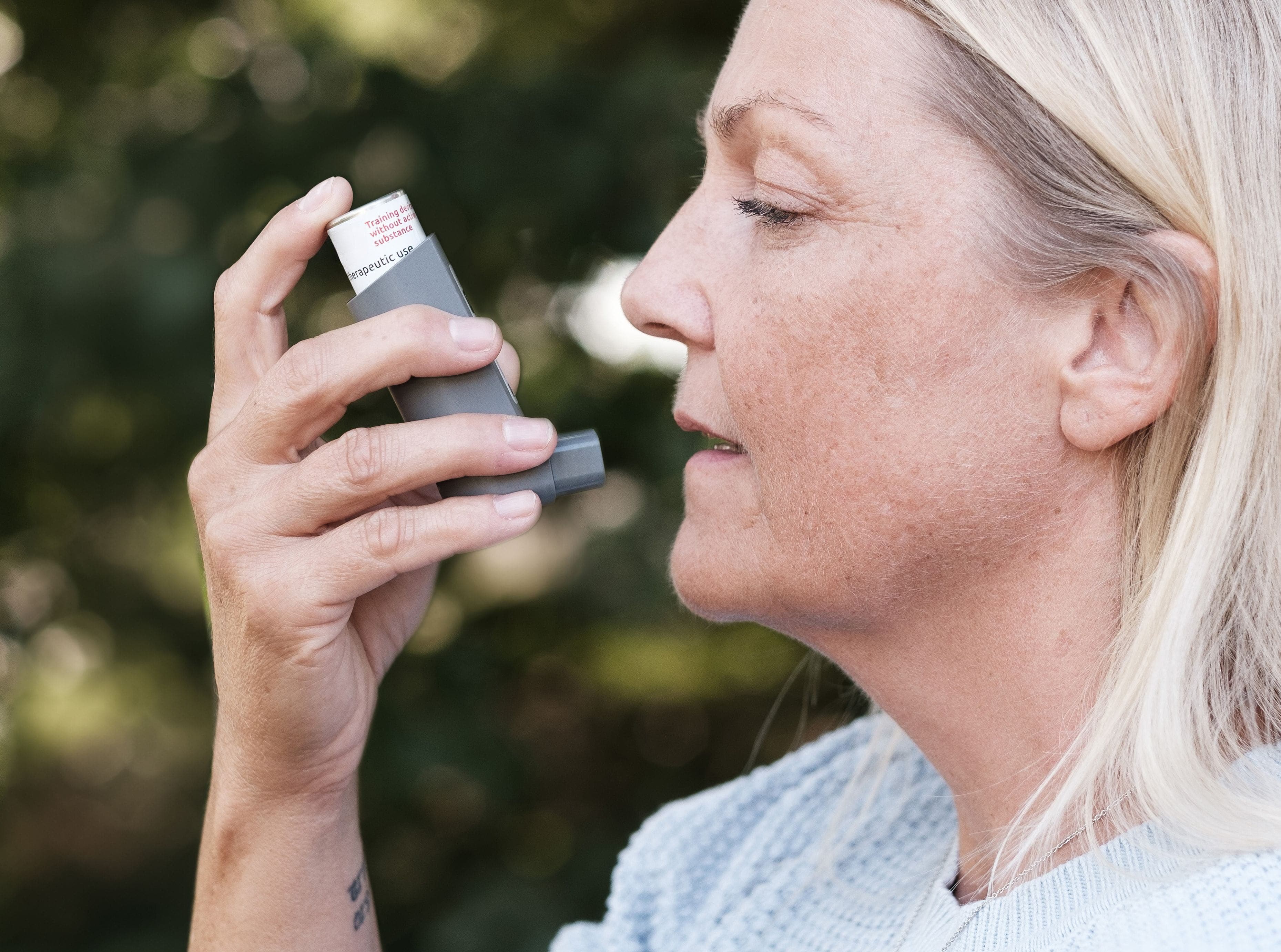
Asthma treatment has changed significantly in recent years, with modern guidance focusing not only on relieving symptoms but also on reducing the risk of serious asthma attacks. Many people still rely heavily on Salbutamol (Ventolin) and a Short-Acting Beta-Agonist (SABA), commonly known as the "Blue Inhaler", but evidence now shows that treating the Underlying Inflammation with an Inhaled Corticosteroid (ICS) is equally important.
While SABAs help relieve Bronchoconstriction and provide quick symptom relief, excessive use can contribute to Masking Symptoms and may leave airway inflammation untreated. This article compares current asthma treatments, including AIR and MART approaches, advanced therapies for severe asthma and emerging digital technologies that are shaping asthma care in the UK.
In One Sentence:
Modern asthma care increasingly prioritises anti-inflammatory treatment over sole reliance on reliever inhalers because this approach reduces attack risk and improves long-term asthma control in line with Asthma Guidelines 2025/26 from NICE, BTS (British Thoracic Society) and SIGN (Scottish Intercollegiate Guidelines Network).
Key Takeaways
Is monotherapy recommended?
Modern asthma treatment discourages Monotherapy (using only one drug) with a reliever inhaler alone because it does not address airway inflammation.
Does reducing reliance on a blue inhaler help?
Reducing reliance on a blue inhaler can lower the risk of an exacerbation (Asthma Attack) and improve long-term symptom control.
What are AIR and MART treatments?
AIR and MART approaches combine anti-inflammatory treatment with symptom relief through a combination inhaler.
Are DPIs better for the environment?
Dry Powder Inhaler (DPI) devices generally have a lower Carbon Footprint than inhalers using hydrofluoroalkane (HFA) Propellants.
How can asthma be improved?
Personalised treatment plans, regular reviews and appropriate inhaler selection can help improve asthma outcomes.
The "Blue Inhaler" Shift: Why SABAs Are No Longer First-Line
Modern asthma guidelines no longer recommend SABA-only treatment as the preferred first-line approach because it can leave airway inflammation untreated and increase the risk of serious asthma attacks.
For many years, blue reliever inhalers containing salbutamol were the foundation of asthma treatment. These inhalers provide rapid symptom relief by relaxing airway muscles and opening narrowed airways. However, research has shown that relying heavily on reliever medication without addressing inflammation may lead to poorer outcomes [1].
One major concern is salbutamol overuse. Frequent use may indicate poorly controlled asthma and is associated with an increased hospitalisation risk. Reports from the Royal College of Physicians (RCP) have repeatedly highlighted that excessive use of reliever inhalers is often present in patients who experience severe asthma attacks or asthma-related deaths [2].
Repeated stimulation of Beta-2 Receptors can also contribute to tachyphylaxis (reduced effectiveness over time). This process involves receptor downregulation, meaning the body becomes less responsive to the medication over time. While reliever inhalers remain important for emergency symptom relief, they should no longer be viewed as the sole solution for asthma management [3].
Current UK guidance focuses on anti-inflammatory treatment from the outset. This approach aims to reduce future attacks, improve symptom control and decrease dependence on a so-called "Rescue Pack" mentality where symptoms are treated only when they become noticeable [4] [5].

Comparing AIR vs. MART: Which therapy is right for you?
Both AIR and MART strategies aim to provide symptom relief and inflammation control, but they are used slightly differently depending on the individual's asthma severity and treatment needs.
ART
AIR, or Anti-Inflammatory Reliever therapy, uses a combination inhaler containing both an inhaled corticosteroid and a fast-acting bronchodilator whenever symptoms occur. This means that every dose taken for symptom relief also delivers anti-inflammatory treatment [6].
MART
MART, or Maintenance and Reliever Therapy, uses the same combination inhaler for both daily maintenance treatment and additional symptom relief when required. This simplifies treatment and ensures consistent anti-inflammatory protection [7].
Traditional Therapy
Traditional Fixed-Dose Therapy (Traditional) often involves a separate preventer inhaler taken regularly and a blue reliever inhaler used when symptoms occur. While effective for many patients, this approach may lead to inconsistent use of preventer medication.
Advantages of AIR and MART
One advantage of AIR and MART is improved titration. Treatment intensity naturally increases during periods of worsening symptoms because patients automatically receive more anti-inflammatory medication when they use their inhaler more frequently. Studies have demonstrated that these approaches can reduce severe asthma attacks compared with traditional treatment regimens.
The most suitable option depends on factors such as asthma severity, symptom frequency, inhaler technique and personal preference. Decisions should always be made alongside a healthcare professional.
Feature | AIR Therapy (Anti-Inflammatory Reliever) | MART Therapy (Maintenance & Reliever) |
| Best For | Mild asthma with infrequent symptoms. | Moderate to severe asthma with daily symptoms. |
| How You Take It | You take a puff only when needed (instead of a blue inhaler). | You take puffs morning and night, PLUS extra puffs if you have symptoms. |
| Common Inhalers | Symbicort, Fostair (100/6 strength only). | Symbicort, Fostair, DuoResp Spiromax. |
| Main Benefit | Treats inflammation early, every time you feel wheezy. | Provides 24-hour cover plus instant relief in one device. |
Advanced Options For Severe Asthma: Biologics And Beyond
Biologic therapies provide targeted treatment for people with severe asthma that remains uncontrolled despite standard inhaler therapy.
Not all asthma is the same. Some individuals have severe eosinophilic asthma driven by type 2 inflammation. These patients may continue experiencing symptoms and attacks despite using high-dose inhaled medications.
Modern asthma care increasingly uses phenotyping to identify the specific biological processes driving a patient's asthma. This allows treatment to be tailored more precisely.
Monoclonal Antibodies (Biologics) are advanced medicines that target specific inflammatory pathways. Most are administered through a subcutaneous injection at regular intervals.
Examples include:
Mepolizumab (Nucala)
Mepolizumab targets interleukin-5 and helps reduce eosinophilic inflammation in eligible patients.
Benralizumab (Fasenra)
Benralizumab works by reducing eosinophils directly and can significantly reduce asthma attack frequency.
Reslizumab (Cinqaero)
Reslizumab is another anti-interleukin-5 therapy used in selected patients with severe eosinophilic disease.
Omalizumab (Xolair - for allergic asthma)
Omalizumab targets allergic pathways and may benefit patients whose asthma is driven by allergic triggers and elevated antibody responses.
Diagnostic Markers Used To Assess Eligibility
Specialist teams often use biomarkers to identify suitable candidates for biologic therapy.
Important markers include:
Blood Eosinophil Count (BEC)
FeNO (Fractional Exhaled Nitric Oxide)
IgE Levels (Immunoglobulin E)
These tests help clinicians determine the type of inflammation present and select the most appropriate treatment pathway [8] [9].
Essential Tools: Your Personal Asthma Action Plan (PAAP)
A Personal Asthma Action Plan helps people recognise changes in asthma control and know exactly what action to take.
A written PAAP can improve self-management, reduce emergency healthcare use and increase confidence in managing asthma symptoms.
Green Zone
The Green Zone represents good asthma control.
Symptoms are minimal, normal activities can be performed and medication is working effectively. Patients should continue taking prescribed treatment as directed.
Amber Zone
The Amber Zone indicates worsening asthma control.
Symptoms may be increasing, reliever inhaler use may be rising, and peak flow readings may begin to fall. Treatment adjustments outlined in the PAAP should be followed, and medical advice may be required.
Red Zone
The Red Zone signals a medical emergency.
Severe breathlessness, difficulty speaking, worsening wheeze or significant peak flow reductions require urgent medical attention. Emergency treatment should be sought immediately.
The Future: Digital Health And Smart Inhalers
Digital technologies are helping improve asthma management while supporting wider sustainability goals within healthcare.
Connected Health Systems
Connected Health systems are transforming the way asthma is monitored and managed. Smart inhalers equipped with Electronic Monitoring Devices (EMDs) can record inhaler use and provide valuable data for patients and clinicians.
Adherence Tracking
Adherence Tracking can identify patterns of missed doses and help healthcare professionals intervene before asthma control deteriorates.
Digital Platforms
Examples of digital platforms include Propeller Health, Asthmahub and AsthmaTuner. These systems can provide reminders, symptom monitoring and personalised feedback to support asthma self-management.
NHS Net Zero
Technology is also contributing to environmental goals. The NHS Net Zero programme and the Greener NHS initiative encourage consideration of Sustainability when selecting treatments. In some cases, dry powder inhalers may offer lower environmental impact than devices using propellant gases while remaining clinically appropriate for the patient [10].
The future of asthma management is likely to combine personalised medicine, digital monitoring and environmentally responsible healthcare practices.
Frequently Asked Questions
Can I just use my blue inhaler?
Current guidance generally advises against relying solely on a blue inhaler. While it provides quick symptom relief, it does not treat the underlying airway inflammation that contributes to asthma attacks. Most patients benefit from treatment that includes an inhaled corticosteroid.
What is the FeNO test?
The FeNO test measures FeNO (Fractional Exhaled Nitric Oxide) in a person's breath. Elevated levels may indicate airway inflammation associated with certain types of asthma. The test can help support diagnosis and guide treatment decisions.
What is green prescribing?
Green prescribing refers to considering the environmental impact of treatments where clinically appropriate. In asthma care, this may include discussing inhaler options that reduce carbon emissions while maintaining effective symptom control.
Final Thoughts From Our Superintendent Pharmacist
"Asthma management continues to evolve, with growing emphasis on reducing future risk rather than simply treating symptoms when they occur. Regular annual asthma review appointments, an inhaler technique check and timely pharmacist intervention can all help improve outcomes. In many cases, deprescribing (reducing unnecessary SABA) may form part of a safer, more effective treatment strategy that focuses on long-term asthma control and prevention of serious attacks."
Sources
[1] Asthma: New UK guidelines signal “step change” in diagnosis and treatment | The BMJ
[2] Why asthma still kills The National Review of Asthma Deaths (NRAD)
[4] Brit Thoracic Society - Chronic Asthma
[5] diagnosis, monitoring and chronic asthma management (BTS, NICE, SIGN) | Guidance
[6] Combination inhaler is effective in mild asthma - NIHR Evidence
[8] NHS Accelerated Access Collaborative » Rapid uptake products
About the author
Blog author


Dayna Sheppard
Dayna is a pharmacy manager with over 15 years of pharmacy experience. She is focused on delivering a safe and excellent pharmacy service for patients.


