
Free delivery on all NHS prescriptions — order now
- Home
- Chronic Conditions
- Gout
- Colchicine
Colchicine

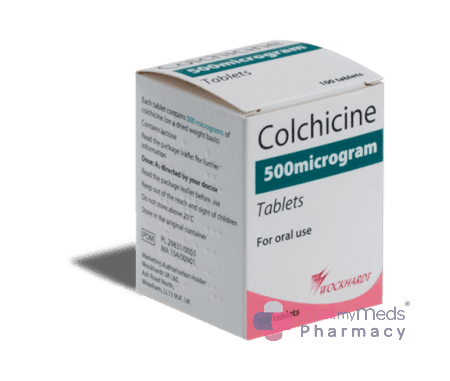
Images for illustrative purposes only
Colchicine 500mcg tablets are a highly effective anti-inflammatory medication primarily used to treat acute gout flares and prevent future attacks by using the active ingredient colchicine to reduce uric acid crystal inflammation in the joints.
- Targets intense joint pain and swelling
- Often prescribed alongside Allopurinol to prevent mobilisation flares
- Available in 500-microgram tablets for precise management of symptoms
- MHRA-approved medication dispensed by our UK-based pharmacy team
More information
You can buy colchicine online through Mail My Meds by completing a simple, confidential consultation that is reviewed by our UK-registered prescribers. If your consultation is approved, your medication will be dispensed and shipped directly from our registered pharmacy (GPHC Number: 9011560) in discreet, plain packaging to ensure your privacy.
Our pricing for colchicine tablets is transparent and competitive, covering the cost of your private prescription and tracked delivery. We offer various pack sizes to suit your treatment plan as recommended by your prescriber, ensuring you have an adequate supply for acute flares or prophylactic use.
We provide multiple delivery options to ensure you receive your gout treatment as quickly as possible. Because gout flares can be debilitating, we prioritise fast processing for all acute prescription orders placed before our daily cut-off time.
Colchicine is a medicine used to treat and prevent gout, a common and painful form of inflammatory arthritis caused by high levels of uric acid in the blood. In the UK, gout affects approximately 1 in 40 people, and colchicine remains a cornerstone of treatment for those experiencing the sudden "heat" and swelling of an attack. It is also used to treat familial Mediterranean fever (FMF), a rare hereditary inflammatory condition.
The active ingredient in this medication is colchicine, a substance originally derived from the meadow saffron plant (Colchicum autumnale). Each tablet typically contains 500 micrograms (500mcg) of the active compound, which specifically targets the inflammatory response without affecting blood pressure or fluid retention like some other painkillers.
Most patients report significant pain reduction within 24 hours of taking colchicine, particularly when the treatment is started at the very first sign of a flare. While effective, some users experience gastrointestinal side effects. However, modern "low-dose" regimens recommended by the British Society of Rheumatology (BSR) have significantly improved the patient experience by reducing these issues compared to older, high-dose protocols.
The Patient Information Leaflet (PIL) provides essential safety details regarding your medication and should be read thoroughly before starting treatment. You can access the digital version of the PIL for Colchicine 500mcg tablets online.
Colchicine works by disrupting the assembly of microtubules in white blood cells, which prevents these cells from migrating to the joint and causing inflammation. By inhibiting the "inflammasome" pathway, it stops the body from reacting to the sharp uric acid crystals, reducing the redness, swelling and intense pain of a gout attack.
You should take colchicine tablets exactly as directed by your healthcare provider, usually swallowing them whole with a glass of water. It can be taken with or without food, though taking it with a meal may help if you find it upsets your stomach. Avoid consuming grapefruit or grapefruit juice while on this medication, as it can dangerously increase the levels of colchicine in your bloodstream.
The standard dosage for an acute gout attack is one 500mcg tablet taken 2 to 4 times a day until the pain subsides. For prevention (prophylaxis) when starting Allopurinol, the typical dose is one 500mcg tablet twice daily. You must never exceed the maximum course dose of 6mg (12 tablets) and must wait at least 3 days before starting a new course to avoid toxicity (BNF, 2026).
Common side effects of colchicine are primarily gastrointestinal and may include:
- Diarrhoea (the most common reported effect)
- Nausea or vomiting
- Abdominal cramps or stomach pain
If you experience severe diarrhoea or vomiting, stop taking the medication immediately and consult a doctor, as this can be an early sign of toxicity.
Colchicine has a "narrow therapeutic index," meaning the difference between a safe dose and a toxic dose is small. It is not suitable for individuals with severe kidney or liver impairment, and it can interact with certain antibiotics (like erythromycin) and antifungal medications. Always inform your prescriber of any other medications you are taking, including herbal supplements.
| Medication | Role in Gout | Key Difference |
|---|---|---|
| Colchicine | Acute Flare & Prevention | Targets specific gout inflammation; safe for heart failure patients. |
| Ibuprofen / Naproxen | Acute Flare | General NSAIDs; can cause stomach issues or fluid retention. |
| Allopurinol | Long-term Prevention | Lowers uric acid levels; does not treat pain during an active flare. |
Can I take colchicine and ibuprofen together?
Yes, you can take colchicine and ibuprofen together if recommended by a doctor, as they work through different pathways to manage pain. However, this combination can increase the risk of stomach irritation, so it should only be done under medical supervision.
How long does colchicine take to work?
Colchicine starts working within 30 minutes to 2 hours, though it typically takes 12 to 24 hours for you to feel a significant reduction in joint pain and swelling.
Can I take colchicine and allopurinol together?
Yes, taking colchicine and allopurinol together is common practice when first starting urate-lowering therapy. Colchicine helps prevent the "flare-ups" that can occur as allopurinol begins to shift uric acid stores in the body.
The information provided on this page is for general informational purposes only and is not a substitute for professional medical advice, diagnosis, or treatment. Always seek the advice of your doctor or another qualified healthcare provider with any questions you may have regarding a medical condition.
At Mail My Meds, our content is regularly reviewed by a team of clinical pharmacists and medical experts to ensure all information is up-to-date, accurate and reflects the latest NICE and BNF guidelines for UK clinical practice.


