
Free delivery on all NHS prescriptions — order now
- Home
- Chronic Conditions
- Pain Relief
- Diclofenac
Diclofenac

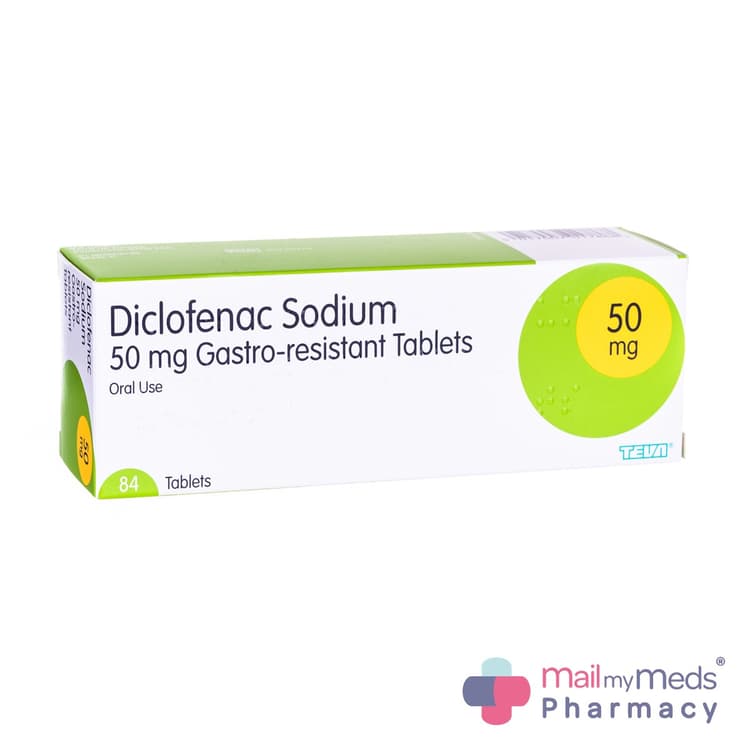


Images for illustrative purposes only
Diclofenac Sodium is a potent non-steroidal anti-inflammatory drug (NSAID) used to reduce swelling and ease pain caused by conditions such as osteoarthritis, rheumatoid arthritis, acute gout and musculoskeletal injuries.
- Effective relief for joint pain and muscular inflammation
- Suitable for chronic conditions like rheumatoid arthritis
- Fast-acting non-steroidal anti-inflammatory (NSAID)
- Discreet UK home delivery on approved consultations
More information
"Diclofenac is a highly effective treatment typically prescribed to manage pain and reduce inflammation in patients suffering from long-term joint disorders or acute injuries like sprains and strains. We recommend this medication for those requiring robust anti-inflammatory action to improve mobility and daily comfort."
— Rachael Clarke MRCPharm MFRPSI FRSPH (GPHC Number: 2061366)
You can buy Diclofenac through our secure online platform by completing a brief medical consultation that is reviewed by a UK registered prescriber. Once your consultation is approved, your medication is shipped directly from our pharmacy (GPHC Number: 9011560) using a discreet home delivery service to ensure your privacy.
The cost of Diclofenac depends on the specific formulation and quantity required for your treatment plan. We offer competitive pricing for both private and NHS repeat prescriptions, ensuring you receive affordable care without the need for a face-to-face GP appointment.
We provide multiple delivery options to suit your schedule, including tracked services that ensure your medication arrives safely and promptly. All orders are packaged discreetly, so the contents are not visible during transit.
Diclofenac is a medication used to treat pain, fever and inflammation across a wide range of medical conditions. It is frequently utilised for:
- Rheumatoid arthritis and osteoarthritis
- Ankylosing spondylitis
- Acute gout attacks
- Back pain, frozen shoulder and dislocations
- Tendonitis and tenosynovitis
The primary active ingredient in this medication is Diclofenac Sodium, a phenylacetic acid derivative. It is formulated in various strengths to provide targeted relief by inhibiting the enzymes responsible for producing inflammatory chemicals in the body.
Many users report significant improvements in joint flexibility and a reduction in chronic pain levels shortly after starting treatment. While individual results vary, the medication is widely regarded in the UK as a reliable option for managing flare-ups of inflammatory conditions.
Every order includes a physical Patient Information Leaflet (PIL) which contains essential details on usage and safety. You should read this document thoroughly before starting your treatment to understand the specific guidance for your prescribed dose.
Diclofenac works by blocking the action of cyclo-oxygenase (COX) enzymes, which are responsible for producing prostaglandins at the site of injury or inflammation. By reducing the level of these prostaglandins, the medication effectively lowers pain signals and decreases physical swelling in the affected tissues.
You should take this medication exactly as directed by your prescriber, typically swallowing tablets whole with a glass of water. It is highly recommended to take your dose with or after food to protect your stomach lining from potential irritation.
The usual dosage for adults ranges between 75mg and 150mg daily, often split into two or three smaller doses. Your prescriber will determine the lowest effective dose for the shortest duration necessary to manage your symptoms effectively.
Common side effects may occur as your body adjusts to the medication, though many people find them manageable.
| Common Side Effects | Rare/Serious Side Effects |
|---|---|
| Nausea or vomiting | Severe stomach pain (potential ulcer) |
| Heartburn or indigestion | Allergic reactions (skin rash or wheezing) |
| Dizziness or headaches | Chest pain or shortness of breath |
| Wind or loss of appetite | Yellowing of the eyes or skin (jaundice) |
You must inform your prescriber if you have a history of heart disease, circulation problems, or stomach ulcers before starting treatment. Diclofenac is generally not recommended for individuals who have experienced a heart attack or stroke, or those with severe kidney or liver impairment.
Diclofenac is often considered more potent than ibuprofen for chronic inflammatory conditions but carries a different risk profile.
- Ibuprofen: Often used for mild to moderate pain with a lower risk of certain cardiovascular side effects.
- Naproxen: Frequently preferred for long-term use due to its sustained effect and balanced safety profile.
- Diclofenac: Highly effective for acute inflammation and severe joint pain when other NSAIDs have not provided sufficient relief.
Can I drink alcohol while taking Diclofenac?
While moderate alcohol consumption is generally permitted, it is best to limit intake as both alcohol and NSAIDs can irritate the stomach lining, increasing the risk of an ulcer.
Is Diclofenac an antibiotic?
No, Diclofenac is a non-steroidal anti-inflammatory drug (NSAID) used for pain and swelling. It does not treat bacterial infections.
How long does it take for the tablets to work?
You will typically feel the effects within 30 to 60 minutes, though it may take a few days of regular use to achieve the full anti-inflammatory benefit for chronic conditions.
The information provided on this page is for general informational purposes only and should not replace seeking advice from a medical professional. Always consult with a GP or pharmacist for personalised medical guidance regarding your health and treatments.
Our content is regularly reviewed by our team of medical experts to ensure it remains up to date, accurate and aligned with current UK clinical guidelines. We prioritise providing reliable information to help you make informed decisions about your healthcare.


