
Free delivery on all NHS prescriptions — order now
- Home
- Sexual Health
- Chlamydia
- Doxycycline
Doxycycline

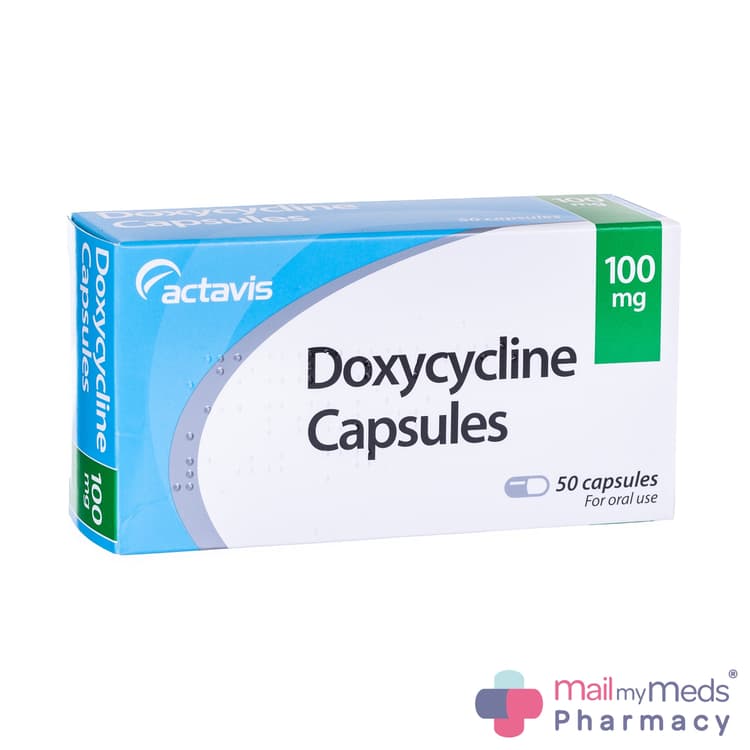


Images for illustrative purposes only
Doxycycline 100mg is a versatile broad-spectrum tetracycline antibiotic used to treat bacterial infections such as chlamydia, chest infections and dental abscesses, providing a highly effective solution by inhibiting the growth of harmful pathogens.
- Recommended by NICE for chlamydia and specific respiratory tract infections
- Treats STIs, severe acne and rosacea
- Typically taken once or twice daily, depending on the condition
- Clinical safety ensured via registered UK pharmacists and GMC prescribers
More information
"Doxycycline is a cornerstone of modern antimicrobial therapy, frequently prescribed for patients presenting with uncomplicated genital chlamydia, respiratory infections like pneumonia, or chronic skin conditions such as acne and rosacea. As a bacteriostatic agent, it effectively halts the spread of bacteria, allowing the body's natural immune system to clear the infection."
— Rachael Clarke MRCPharm MFRPSI FRSPH (GPHC Number: 2061366)
You can buy doxycycline online safely from Mail my Meds following a free, confidential consultation with one of our registered UK prescribers. If your consultation is approved, your medication is dispensed and shipped directly from our registered pharmacy (GPHC Number: 9011560) in discreet, plain packaging to ensure your privacy. This process eliminates the need for a face-to-face GP appointment while maintaining the highest clinical standards of the NHS and GPhC.
Doxycycline pricing varies based on the quantity required for your specific treatment course, such as a 7-day course for chlamydia or a longer duration for malaria prevention. Our private prescription service often provides a more convenient alternative for those without a prescription prepayment certificate.
We offer several delivery options to ensure you receive your treatment promptly. Orders approved before our daily cut-off time are typically dispatched the same day, with tracking information provided so you can monitor your package from our pharmacy to your doorstep.
Doxycycline is a powerful antibiotic used to treat a wide range of bacterial infections including chlamydia, ureapritis, pneumonia and Lyme disease. It is also a primary treatment for inflammatory skin conditions like acne vulgaris and rosacea, and is used globally as an effective malaria tablet for travellers. Because it belongs to the tetracycline family, it works by preventing bacteria from producing the proteins they need to multiply.
The active ingredient in this medication is doxycycline hyclate (or doxycycline monohydrate), a member of the tetracycline group. Each capsule typically contains 100mg of the active substance, alongside inactive excipients such as magnesium stearate, maize starch, and lactose, which are detailed in the specific manufacturer’s patient information leaflet.
User experiences with doxycycline 100mg are generally positive, with many patients reporting rapid clearance of STI symptoms within 48 to 72 hours. Patients treating acne often note significant improvements in skin texture and a reduction in inflammation after 4 to 6 weeks of consistent use. Common feedback highlights the importance of taking the capsule with plenty of water to avoid "heartburn" or throat irritation.
Every order of Doxycycline includes the official Patient Information Leaflet, which contains essential safety data and a full list of ingredients. We strongly recommend reading the PIL before starting your treatment. You can also access digital versions via the electronic Medicines Compendium (emc) to ensure you have the most up-to-date manufacturer guidance.
Doxycycline works by binding to the 30S ribosomal subunit of bacteria, effectively blocking the synthesis of essential proteins. This action is bacteriostatic, meaning it stops the bacteria from reproducing rather than killing them instantly. By inhibiting growth, it allows your own immune system to effectively target and eliminate the remaining infection over the course of the treatment.
You should take doxycycline by swallowing the capsule whole with a large glass of water while you are sitting or standing upright. It is vital to remain upright for at least 30 minutes after taking your dose to prevent oesophagitis (irritation of the food pipe). While it can be taken with or without food, taking it with a meal can reduce feelings of nausea, though you should avoid dairy products for 2 hours around your dose as calcium can interfere with absorption.
The standard adult dose of doxycycline for most infections like chlamydia or respiratory issues is 100mg taken twice a day for 7 days. For malaria prophylaxis, the dose is typically 100mg once daily, starting two days before travel and continuing for four weeks after returning. Always follow the specific instructions provided by your prescriber and complete the full course even if you feel better.
Common side effects of doxycycline include nausea, headaches and photosensitivity (increased sensitivity to sunlight). While most people tolerate the medication well, some may experience:
- Gastrointestinal upset: Diarrhoea or stomach pain.
- Thrush: Fungal overgrowth in the mouth or vagina.
- Skin Rash: Usually related to UV exposure.
If you experience severe dizziness, blurred vision, or a "tight" feeling in the chest, seek medical advice immediately via NHS 111.
Doxycycline is not suitable for everyone and should be avoided during pregnancy or while breastfeeding as it can affect tooth development and bone growth in the baby. You should also inform your prescriber if you have liver problems, lupus, or myasthenia gravis. Does doxycycline contain penicillin? No, it is a tetracycline and is often a safe alternative for those with a penicillin allergy.
| Condition | Doxycycline | Alternative (e.g., Azithromycin) | Key Difference |
|---|---|---|---|
| Chlamydia | 7-day course (Twice daily) | Single dose (1g) | Doxycycline has higher cure rates for rectal infections. |
| Acne | Tetracycline antibiotic | Lymecycline | Doxycycline is often preferred for more severe inflammation. |
| Malaria | Daily tablet | Malarone (Atovaquone/Proguanil) | Doxycycline is often more cost-effective for long trips. |
Can you drink alcohol on Doxycycline?
The NHS recommends avoiding or limiting alcohol while taking doxycycline because it can make the antibiotic less effective and increase the risk of side effects like dizziness and nausea. For those with a history of chronic liver issues, alcohol can significantly speed up how the body processes the medication, potentially leading to treatment failure.
Can I take paracetamol with Doxycycline?
Yes, you can safely take paracetamol or ibuprofen with doxycycline to manage headaches or fever. There are no known harmful interactions between these common painkillers and this antibiotic.
How long does it take for Doxycycline to work?
For acute infections like a UTI or chest infection, you may start to feel better within 24 to 48 hours. However, for skin conditions like acne, it may take 4 to 12 weeks to see the full clinical benefits.
Does Doxycycline make you tired?
Fatigue is not a common direct side effect of doxycycline, but your body may feel tired while fighting the underlying infection. If you experience severe exhaustion, it is best to consult a healthcare professional.
The information provided on this page is for general informational purposes only and is not a substitute for professional medical advice, diagnosis, or treatment. Always seek the advice of your physician, pharmacist, or other qualified health provider with any questions you may have regarding a medical condition or medication. Never disregard professional medical advice or delay in seeking it because of something you have read on this website.
At Mail my Meds, our content is regularly reviewed by a team of clinical experts, including GPhC-registered pharmacists, to ensure all information is accurate, up-to-date, and reflects current NICE and BNF guidelines. We are committed to providing reliable healthcare information to support our patients' well-being.
Author


Content last updated: