
Free delivery on all NHS prescriptions — order now
EpiPen

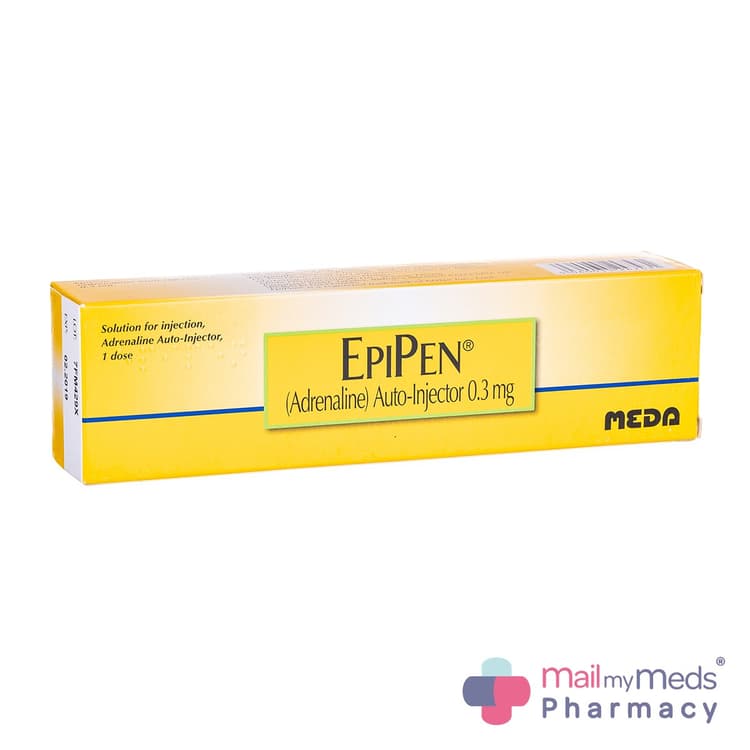


Images for illustrative purposes only
The EpiPen is an adrenaline auto-injector used for the emergency treatment of severe allergic reactions (anaphylaxis) and contains the active ingredient adrenaline, also known as epinephrine.
- Designed for the rapid delivery of adrenaline during life-threatening allergic reactions
- Features a simple two-step activation process with an audible click for confirmation
- Includes a built-in needle shield that extends automatically after use to prevent accidental injury
- Compact auto-injector intended to be carried at all times by those at risk of anaphylaxis
More information
"EpiPen adrenaline auto-injectors are life-saving devices typically prescribed for individuals at risk of anaphylaxis, a severe and potentially fatal systemic allergic reaction. This emergency treatment is essential for managing immediate responses to triggers such as specific foods, insect stings or medications while waiting for urgent medical assistance."
- Rachael Clarke MRCPharm MFRPSI FRSPH (GPHC Number: 2061366)
You can buy an EpiPen through our convenient online consultation process where a registered prescriber reviews your medical history to ensure the treatment is suitable for you. Once your consultation is approved, your medication is shipped directly from our pharmacy (GPHC Number: 9011560) in discreet packaging to maintain your privacy and ensure safe home delivery.
The price of an EpiPen at Mail My Meds reflects our commitment to providing accessible healthcare through a streamlined online service. While costs can vary based on prescription type and current pharmacy pricing, we aim to offer a competitive and transparent service for both NHS and private patients.
We provide a range of delivery options to ensure your adrenaline auto-injector reaches you promptly and securely. All orders are sent using tracked services to give you peace of mind that your essential emergency medication is on its way.
The EpiPen is a medical device designed to deliver a single dose of adrenaline into the muscle during a severe allergic reaction known as anaphylaxis. It is used to treat symptoms like throat swelling, difficulty breathing and a sudden drop in blood pressure caused by exposure to allergens.
The primary active ingredient in this treatment is adrenaline, which is also referred to internationally as epinephrine. Adrenaline is a naturally occurring hormone that works rapidly to reverse the symptoms of a systemic allergic reaction by narrowing blood vessels and opening the airways.
Many users find the EpiPen reliable and easy to operate under pressure due to its clear instructions and ergonomic design. Patients often report feeling more secure carrying the device, knowing they have a fast-acting tool to manage accidental allergen exposure in everyday environments.
Every device is supplied with a comprehensive Patient Information Leaflet (PIL) that provides detailed instructions on use, storage and safety. You should read this document thoroughly to familiarise yourself with the specific requirements of your adrenaline auto-injector.
Adrenaline works by stimulating alpha and beta-adrenergic receptors in the body to counteract the physical effects of anaphylaxis. This process helps to increase blood pressure, reduce swelling and relax the muscles in the lungs to improve breathing during an emergency.
- Grasp the device in your dominant hand with your thumb closest to the blue safety cap.
- Pull the blue safety cap straight up to remove it.
- Hold the device at a right angle to your outer thigh.
- Jab the orange tip firmly into the thigh until it clicks and hold for 3 seconds.
- Remove the pen and massage the injection site for 10 seconds, then call 999 immediately.
The dosage is determined by the patient's body weight and is delivered as a pre-measured single dose. It is widely recommended that patients at risk of anaphylaxis carry two auto-injectors at all times in case a second dose is required before medical help arrives.
Common side effects following an injection of adrenaline may include:
- Increased heart rate or palpitations
- Tremors or shakiness
- Dizziness and headache
- Nausea or vomiting
- Anxiety or nervousness
You should only use the EpiPen in the outer thigh and never inject it into the buttocks, hands or feet. Inform your prescriber if you have a history of heart disease, high blood pressure or thyroid conditions, though in a life-threatening emergency, adrenaline remains the first-line treatment regardless of these factors.
| Feature | EpiPen | Jext | Emerade |
|---|---|---|---|
| Hold Time | 3 Seconds | 10 Seconds | 5 Seconds |
| Needle Guard | Automatic | Locking Shield | Needle Guard |
| Doses | 0.15mg / 0.3mg | 0.15mg / 0.3mg | Up to 0.5mg |
Can I use the EpiPen through clothing?
Yes, the device is designed to work through most clothing, including denim, provided you avoid thick seams, zips or buttons that could obstruct the needle.
What should I do after using the injector?
You must call 999 for an ambulance immediately and state anaphylaxis, even if your symptoms begin to improve after the injection.
How should I store my medication?
Keep your auto-injectors at room temperature, below 25°C, and do not refrigerate or freeze them as extreme temperatures can damage the adrenaline.
The information provided here is for general informational purposes only and should not replace seeking advice from a medical professional for personalised care. Always consult with a healthcare provider regarding your specific health needs and treatment options.
Our content is regularly reviewed by our team of medical experts to ensure it is up to date and accurate, providing you with reliable information for your healthcare journey.


