
Free delivery on all NHS prescriptions — order now
- Home
- Chronic Conditions
- Rosacea
- Finacea Gel
Finacea Gel

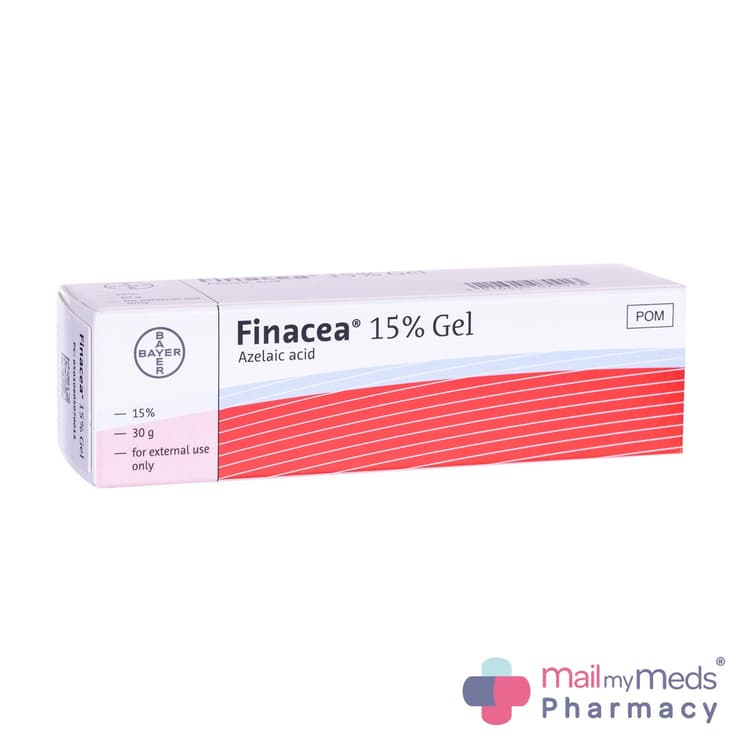


Images for illustrative purposes only
Finacea Gel is a prescription-strength topical treatment containing the active ingredient azelaic acid (15%) used to alleviate the symptoms of mild to moderate papulopustular acne and rosacea.
- Contains 15% azelaic acid for targeted skin treatment
- Effectively treats papulopustular rosacea and acne
- Reduces inflammation and kills acne-causing bacteria
- Gentle formulation suitable for sensitive skin types
More information
"Finacea Gel is a clinically proven topical agent typically prescribed to manage inflammatory skin conditions such as papulopustular rosacea and mild to moderate facial acne. By targeting the bacteria responsible for breakouts and reducing the production of keratin skin cells, it helps to unblock pores and calm visible redness and swelling. This treatment is an effective choice for those seeking a targeted solution to improve their skin texture and reduce inflammatory lesions." - Rachael Clarke MRCPharm MFRPSI FRSPH (GPHC Number: 2061366)
You can buy Finacea Gel securely through Mail my Meds following a convenient online consultation with a registered prescriber. Once your assessment is approved, your medication is shipped directly from our pharmacy (GPHC Number: 9011560) in discreet packaging to ensure your privacy. This streamlined process allows you to manage your skin health without the need for a face-to-face GP appointment.
The cost of your treatment is transparently displayed during the selection process and includes the clinical review by our prescribers. We strive to provide competitive pricing for both private and NHS prescription fulfilment services.
We offer a range of flexible delivery methods to suit your schedule, including tracked and expedited shipping across the UK. All orders are dispatched in plain packaging to maintain confidentiality.
Finacea Gel is a medicated topical gel used primarily for the treatment of inflammatory skin conditions like rosacea and acne. It specifically targets papulopustular rosacea, which is characterised by persistent redness, spots, and pustules on the cheeks, nose, and forehead. For acne sufferers, it helps reduce the frequency of breakouts and the severity of inflamed pimples.
The active substance in this medication is azelaic acid, which is present at a concentration of 15% (150 mg per gram). Other ingredients include benzoic acid (E210), carbomers, disodium edetate, lecithin, polysorbate 80, propylene glycol, purified water, sodium hydroxide, and triglycerides medium chain.
Many users report a significant reduction in skin redness and the number of inflammatory spots within the first four weeks of consistent use. While some individuals experience a mild tingling or itching sensation during the initial stages of treatment, these effects often subside as the skin adjusts to the azelaic acid.
You should always read the Patient Information Leaflet (PIL) provided with your medication for a comprehensive list of instructions and safety data. The leaflet contains vital information regarding the correct application and potential interactions with other skincare products.
Azelaic acid works by reducing the growth of the keratin skin cells that can block pores and lead to spots. It also possesses antibacterial properties that target Propionibacterium acnes and reduces the production of inflammatory mediators, effectively calming the skin and reducing the swelling associated with rosacea flare-ups.
To use Finacea Gel, you should follow these steps carefully to ensure the best results:
- Thoroughly wash the affected area with plain water or a very mild soapless cleanser.
- Pat the skin dry with a soft towel.
- Apply a thin layer of the gel to the affected areas twice daily, usually in the morning and evening.
- Gently rub the gel into the skin until absorbed.
- Wash your hands immediately after application.
The standard dosage for adults is approximately 2.5 cm (0.5 g) of gel, which is generally sufficient for the entire facial area. You should apply the medication consistently as directed by your prescriber, even if you do not see immediate results, as the full benefits typically manifest over several weeks.
Like all medicines, Finacea can cause side effects, although not everyone will experience them. Common reactions are usually localised to the application site:
- Burning or stinging sensations
- Itching (pruritus)
- Dryness or skin peeling
- Redness or irritation
Finacea Gel is for external use only and should not come into contact with the eyes, mouth, or other mucous membranes. If accidental contact occurs, rinse thoroughly with plenty of water. You should avoid using alcoholic cleansers, abrasives, or peeling agents while using this treatment, as they may increase skin irritation.
| Treatment | Active Ingredient | Primary Use |
|---|---|---|
| Finacea Gel | Azelaic Acid 15% | Rosacea and Acne |
| Rozex / Metrogel | Metronidazole | Rosacea (antibiotic) |
| Soolantra | Ivermectin | Inflammatory Rosacea |
How long does it take for Finacea to work?
Most patients begin to see a distinct improvement in their skin condition after approximately 4 weeks of regular use, though it can take up to 12 weeks for the full therapeutic effect to be realised.
Can I wear makeup with Finacea Gel?
Yes, you can apply cosmetics once the gel has completely dried on your skin. However, it is recommended to use non-comedogenic products to avoid further blocking your pores.
Is Finacea available on the NHS?
Yes, Finacea is available via NHS prescription, and Mail my Meds can fulfil these orders alongside private prescriptions through our online platform.
The information provided on this page is for general informational purposes only and should not replace seeking professional advice from a medical professional. Always consult with a doctor or pharmacist to receive personalised guidance tailored to your specific health needs.
Our content is regularly reviewed by our team of medical experts to ensure it remains up to date, accurate, and aligned with the latest clinical guidelines in the UK.
Author


Content last updated: