
Free delivery on all NHS prescriptions — order now
- Home
- Chronic Conditions
- Diabetes
- Gliclazide
Gliclazide

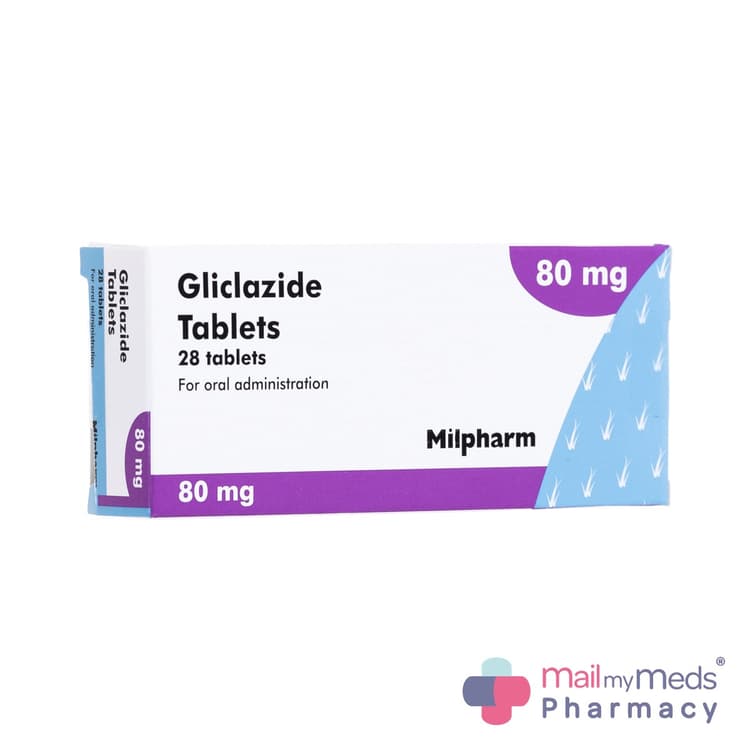


Images for illustrative purposes only
Gliclazide is a widely prescribed oral hypoglycaemic medication used to improve glycaemic control in adults with Type 2 diabetes mellitus by utilising the active ingredient gliclazide to stimulate the pancreas.
- Effective oral medication for managing blood glucose levels in Type 2 diabetes
- Belongs to the sulfonylurea class to stimulate natural insulin production
- Available for convenient home delivery following a successful online consultation
- Flexible treatment options including standard and modified-release tablets
More information
"Gliclazide is a fundamental treatment for managing non-insulin-dependent diabetes when lifestyle adjustments like diet and exercise are not enough to maintain healthy blood sugar levels. By encouraging the pancreas to produce more insulin, it helps prevent the long-term complications associated with hyperglycaemia." – Rachael Clarke MRCPharm MFRPSI FRSPH (GPHC Number: 2061366)
You can buy Gliclazide online through Mail My Meds by completing a straightforward online consultation that is reviewed by a UK registered prescriber. Once your clinical assessment is approved, your medication is dispensed and shipped directly from our registered pharmacy (GPHC Number: 9011560) in discreet packaging to ensure your privacy.
The price of Gliclazide varies depending on whether you are fulfilling an NHS prescription or purchasing via a private prescription. We aim to provide a cost-effective service for all patients, and you will see the total cost clearly displayed during the checkout process after your consultation is approved.
We offer several reliable delivery methods to ensure you receive your diabetes medication promptly and securely at your preferred address. All orders are tracked, and we prioritise efficient dispatch so that your treatment remains uninterrupted.
Gliclazide is a prescription medication used to treat Type 2 diabetes, a condition where the body does not produce enough insulin or cannot use it effectively. By keeping blood sugar levels within a target range, it helps reduce the risk of serious health issues such as nerve damage, kidney problems and heart disease.
The active ingredient in this medication is gliclazide, which is a member of the sulfonylurea group of medicines. Each tablet contains a specific milligram strength of this compound designed to lower blood glucose by acting directly on the beta cells in your pancreas.
Many patients report that Gliclazide is highly effective at lowering their HbA1c levels and is generally well-tolerated when taken as directed. While individual results vary, users often find the transition to Gliclazide helpful when other first-line treatments like metformin are not sufficient or suitable.
The Patient Information Leaflet (PIL) is included with every box of medication and provides comprehensive details on ingredients, usage and safety. You should read this leaflet carefully before starting your treatment to understand the specific instructions for the brand and strength you have been prescribed.
Gliclazide works by stimulating the beta cells in the pancreas to release more insulin into the bloodstream. This increase in insulin helps move glucose from the blood into the body's cells to be used for energy, thereby lowering the overall blood sugar level and preventing hyperglycaemia.
You should always take Gliclazide exactly as your doctor or pharmacist has instructed, usually alongside a meal to minimise the risk of digestive upset. Most people take their dose with breakfast, and it is vital to swallow the tablets whole with a glass of water rather than crushing or chewing them.
The dosage of Gliclazide is tailored to your individual needs based on your blood sugar readings and clinical history. Typical starting doses often range from 40mg to 80mg daily, though this may be increased by your prescriber up to a maximum of 320mg per day for standard-release tablets.
Common Dosage Table
| Formulation | Common Starting Dose | Maximum Daily Dose |
|---|---|---|
| Standard Release | 40mg – 80mg | 320mg |
| Modified Release (MR) | 30mg | 120mg |
The most significant side effect of Gliclazide is low blood sugar, known as hypoglycaemia, which can make you feel shaky, sweaty or hungry. Other potential side effects include digestive issues such as indigestion, nausea or a mild skin rash, though these often improve as your body adjusts to the medication.
Before taking Gliclazide, you must inform your prescriber if you have severe kidney or liver disease, or if you have a rare blood condition called porphyria. It is not suitable for people with Type 1 diabetes or for those who are pregnant or breastfeeding, and you should be cautious if you drive, as low blood sugar can affect your concentration.
Gliclazide is often used as a second-line treatment or alongside metformin because it works differently by increasing insulin production rather than just improving insulin sensitivity. Compared to some newer medications, Gliclazide is frequently chosen for its proven track record and effectiveness in achieving rapid blood sugar reduction.
Can I drink alcohol while taking Gliclazide?
You should limit your alcohol intake while taking this medication as it can increase the risk of experiencing a "hypo" or low blood sugar episode. If you do choose to drink, it is best to do so in moderation and never on an empty stomach.
What should I do if I miss a dose?
If you forget to take a dose, skip the missed one and take your next dose at the usual time with your next meal. Never take a double dose to make up for a forgotten one, as this significantly increases the risk of your blood sugar dropping too low.
Does Gliclazide cause weight gain?
Some people may experience modest weight gain when starting Gliclazide because the body becomes more efficient at processing sugar. Maintaining a healthy, balanced diet and staying active can help manage this potential side effect.
The information provided here is for general informational purposes only and should not replace seeking advice from a medical professional for personalised care. Always consult with your doctor or pharmacist before starting a new medication to ensure it is appropriate for your specific health needs.
Our content is regularly reviewed by our team of medical experts to ensure it remains up to date, accurate and reflects the latest clinical guidelines in the UK. We are dedicated to providing reliable information to help you manage your health safely and effectively.


