
Free delivery on all NHS prescriptions — order now
- Home
- Chronic Conditions
- Underactive Thyroid
- Liothyronine
Liothyronine

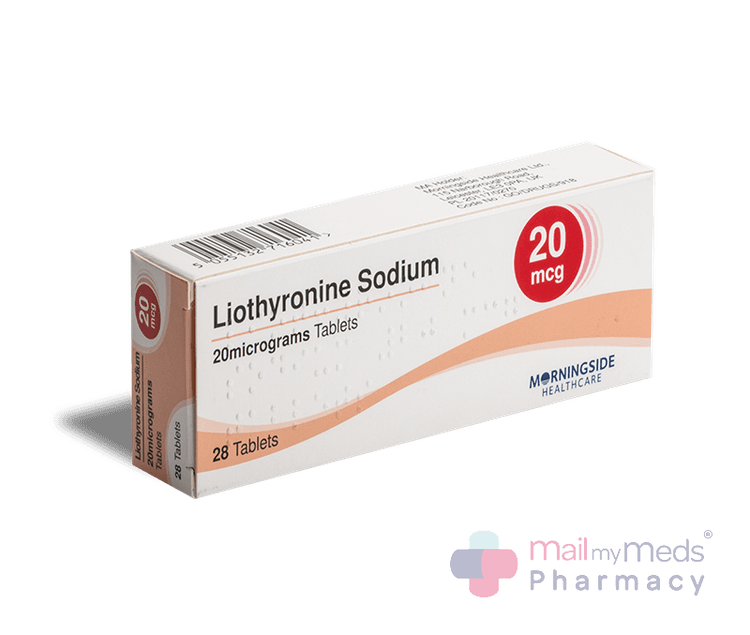
Images for illustrative purposes only
Liothyronine is a synthetic form of the triiodothyronine (T3) hormone used to treat hypothyroidism and managed by Mail my Meds for patients requiring thyroid hormone replacement therapy.
- UK-regulated online pharmacy for NHS and private prescriptions
- Discreet and secure home delivery across the UK
- Professional clinical review by GPhC-registered prescribers
- Convenient online consultation for thyroid hormone replacement
More information
"Liothyronine is typically prescribed for patients with an underactive thyroid who require a synthetic T3 hormone to manage symptoms of hypothyroidism. As a potent thyroid medication, it is essential that treatment is monitored by healthcare professionals to ensure hormonal balance and patient wellbeing." - Rachael Clarke MRCPharm MFRPSI FRSPH (GPHC Number: 2061366)
You can buy Liothyronine through Mail My Meds by completing a straightforward online consultation that is reviewed by a registered prescriber to ensure the treatment is suitable for your clinical needs. Once your consultation is approved, your medication is shipped directly from our registered UK pharmacy (GPHC Number: 9011560) in discreet packaging to maintain your privacy.
The cost of Liothyronine varies depending on whether you are fulfilling a private prescription or an NHS prescription through our platform. While private prescription prices reflect the current market cost of the medication, NHS prescriptions are charged at the standard flat-rate prescription levy unless you are naturally exempt from charges.
Mail My Meds offers various delivery services to ensure your thyroid medication reaches you quickly and safely at a time that suits your schedule. We prioritise secure transit for all prescription items so that your treatment arrives in perfect condition and ready for use.
Liothyronine is a thyroid hormone replacement used to treat hypothyroidism, a condition where the thyroid gland does not produce enough natural hormones to regulate the body's metabolism. It is often used when patients do not respond sufficiently to standard treatments or as part of a combination therapy to manage specific thyroid deficiencies.
The active ingredient in this medication is Liothyronine Sodium, which is a synthetic version of the naturally occurring triiodothyronine (T3) hormone. This active compound works rapidly to supplement hormone levels in the bloodstream and restore metabolic function in patients with thyroid disorders.
User experiences with Liothyronine often highlight a significant improvement in energy levels, cognitive clarity and temperature regulation once the correct therapeutic dose is established. Many patients report that it helps alleviate the persistent fatigue and "brain fog" often associated with an underactive thyroid.
The Patient Information Leaflet (PIL) is included with every pack of Liothyronine and contains essential data regarding ingredients, usage and safety. You should read this document thoroughly before starting your treatment to understand the specific clinical guidelines provided by the manufacturer.
Liothyronine works by replacing the T3 hormone that the thyroid gland is failing to produce, which is the most active form of thyroid hormone in the human body. By increasing T3 levels, the medication stimulates the basal metabolic rate, affecting protein synthesis and helping the body use energy more efficiently.
You should take Liothyronine exactly as directed by your prescriber, usually at the same time each day to maintain consistent hormone levels. It is typically taken with water on an empty stomach, often before breakfast, to ensure the active ingredient is absorbed effectively by the body.
The dosage of Liothyronine is highly individualised and is determined by a clinician based on blood test results and your specific thyroid hormone requirements. Because it is a potent hormone, doses are often started low and adjusted gradually to reach the optimum level for your metabolic health.
Side effects of Liothyronine are often related to the dosage being too high and may include symptoms of an overactive thyroid. Common side effects include:
- Heart palpitations or increased heart rate
- Nervousness or tremors
- Headaches
- Difficulty sleeping (insomnia)
- Heat intolerance or excessive sweating
Before taking Liothyronine, you must inform your prescriber if you have a history of heart disease, high blood pressure or adrenal gland issues. This medication can interact with other drugs, particularly anticoagulants and diabetes medications, so a full medical history is required during your online consultation.
Liothyronine contains T3, whereas the more common treatment, Levothyroxine, contains T4. Because T3 is the active form of the hormone, Liothyronine acts much faster in the body but has a shorter half-life, meaning it stays in the system for less time than T4-based treatments.
| Feature | Liothyronine (T3) | Levothyroxine (T4) |
|---|---|---|
| Speed of Action | Fast-acting | Slower onset |
| Primary Use | Active hormone replacement | Pro-hormone (converts to T3) |
| Half-life | Short (approx. 1 day) | Long (approx. 7 days) |
Can I switch from Levothyroxine to Liothyronine?
Switching medications must be done under strict medical supervision and is usually only recommended if standard T4 treatments are not adequately managing your symptoms.
Do I need regular blood tests?
Yes, regular thyroid function tests (TFTs) are necessary to monitor your hormone levels and ensure your dosage of Liothyronine remains safe and effective.
The information provided on this page is for general informational purposes only and should not replace seeking advice from a medical professional. Always consult with a doctor or qualified healthcare provider for personalised medical advice regarding thyroid conditions or any other health concerns.
Our content is regularly reviewed by our team of medical experts to ensure it is up to date and accurate. We strive to provide the most current clinical information to help our patients make informed decisions about their healthcare and treatment options.


