
Free delivery on all NHS prescriptions — order now
- Home
- Chronic Conditions
- Diabetes
- Metformin
Metformin

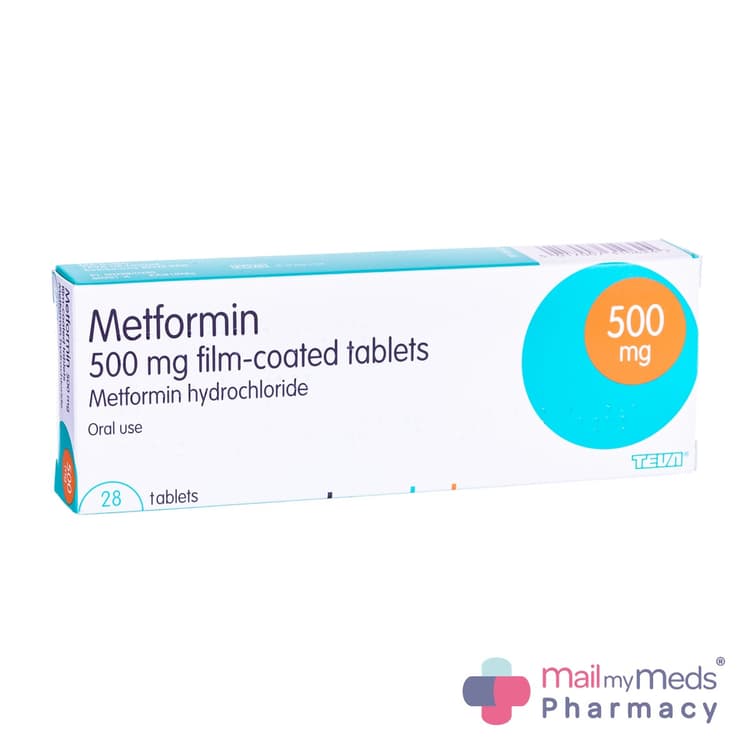


Images for illustrative purposes only
Metformin hydrochloride is a medication used primarily to treat type 2 diabetes and gestational diabetes by lowering blood glucose levels and improving the body’s natural response to insulin.
- Supports healthy insulin levels to help manage the metabolic symptoms of PCOS
- Helps to regulate periods and encourage more consistent ovulation for many users
- Your medication is dispensed and shipped from our regulated UK pharmacy premises
- Receive your treatment in plain, secure packaging following a successful consultation
More information
— Rachael Clarke MRCPharm MFRPSI FRSPH (GPHC Number: 2061366)
You can buy Metformin through Mail my Meds by completing a free online consultation with a UK-registered prescriber to ensure the medication is safe and appropriate for your health needs. Once approved, your prescription is dispensed and shipped directly from our registered pharmacy (GPHC Number: 9011560) in discreet packaging via tracked delivery.
The cost of Metformin depends on whether you are fulfilling an NHS prescription or purchasing privately after a consultation. NHS prescriptions are charged at the standard flat rate (unless you have a medical exemption), while private prescription prices vary based on the strength (500mg, 850mg, or 1000mg) and whether you require the standard or modified-release (SR) version.
We offer flexible delivery options across the UK, including standard tracked delivery and next-day delivery for urgent requirements. All orders are sent in plain, tamper-evident packaging to ensure your privacy and the security of your treatment during transit.
Metformin is a medication used to treat type 2 diabetes and is often prescribed when diet and exercise alone have not been sufficient to control blood glucose levels. According to NICE (National Institute for Health and Care Excellence), it works by reducing the amount of sugar the liver releases into the blood and helping the body’s cells use insulin more effectively.
The active ingredient in this medication is Metformin hydrochloride, a substance belonging to the biguanide group of medicines. Each tablet also contains inactive ingredients (such as povidone and magnesium stearate) which help form the tablet and control the release of the drug into your system.
Many users find that Metformin is a highly effective long-term solution for managing blood sugar levels, with many reporting they feel more in control of their diabetes. While some patients experience initial digestive changes, these often settle within a few weeks, especially when switching to the modified-release (Metformin SR) version.
The Patient Information Leaflet (PIL) is included in every box of medication and contains essential data on dosage, side effects, and storage. You can also access the digital version via the electronic Medicines Compendium (eMC) to review the Summary of Product Characteristics before starting your treatment.
Metformin works via a multi-action mechanism of action that focuses on lowering glucose levels without stimulating the pancreas to produce more insulin. It specifically decreases hepatic glucose production (gluconeogenesis), limits glucose absorption in the intestines, and increases peripheral glucose uptake in the muscles to improve insulin sensitivity.
You should take Metformin exactly as directed by your healthcare provider, usually with or immediately after a meal to reduce the risk of stomach upset. It is important to swallow the tablets whole with a glass of water and not to crush or chew them, particularly if you are taking the modified-release (SR) tablets designed for slow absorption.
| Treatment Stage | Typical Dose | Frequency |
|---|---|---|
| Starting Dose | 500mg | Once daily (with breakfast) |
| Standard Dose | 500mg - 1000mg | Twice daily (breakfast and dinner) |
| Maximum Dose | 2000mg - 2500mg | Split across the day |
The lowest dose of Metformin is typically 500mg once daily. Your doctor will gradually increase this to allow your body to adjust.
The most common side effects are gastrointestinal, including diarrhoea, nausea, vomiting, and a metallic taste in the mouth. To manage these, it is recommended to take the medication with food and avoid excessive alcohol, which can increase the risk of a rare but serious condition called lactic acidosis.
- Common: Stomach ache, loss of appetite, and loose stools.
- Long-term: Reduced Vitamin B12 absorption (periodic blood tests are advised).
- Rare: Skin rash, itching, or yellowing of the skin (jaundice).
You must not take Metformin if you have severely reduced kidney function (eGFR below 30ml/min) or liver failure. It is vital to inform your prescriber if you are due for an X-ray or scan involving iodinated contrast agents, as you may need to stop taking Metformin temporarily to protect your kidneys.
Metformin does not typically cause weight gain or significant hypoglycaemia (low blood sugar). In 2026, it is frequently used alongside treatments like Mounjaro (Tirzepatide) or Ozempic. This combination provides superior glycaemic control and cardiovascular protection compared to monotherapy.
Does Metformin cause weight loss?
While not licensed as a weight-loss drug, Metformin is often associated with a modest reduction in body weight because it helps suppress appetite and reduces fat storage by lowering insulin levels. NHS guidance notes it is "weight neutral" but can help some patients lose 2–5kg over the first year of treatment.
What foods should I avoid while taking Metformin?
There are no specific "forbidden" foods, but avoiding high-sugar, refined carbohydrates can help the medication work more effectively. You should also limit alcohol consumption to avoid increasing the risk of lactic acidosis and stomach irritation.
What are the signs that Metformin is working?
You may not "feel" the medication working immediately, but you will see the results in lower blood glucose readings on your home monitor and a reduction in HbA1c levels during your GP check-ups. Over time, symptoms of high blood sugar, such as extreme thirst and frequent urination, should decrease.
Can Metformin be used for Type 1 Diabetes?
Metformin is occasionally used "off-label" for type 1 diabetes in patients with significant insulin resistance or a high BMI to help lower the required daily dose of insulin, though it does not replace insulin therapy.
This information is for general informational purposes only and does not replace the advice of a medical professional. Always consult with a doctor or pharmacist for personalised medical guidance regarding your specific health condition.
Our clinical content is regularly reviewed by a team of medical experts and GPhC-registered pharmacists to ensure it remains accurate, reliable, and up-to-date with current UK clinical guidelines (NICE/BNF).
Author


Content last updated: