
Free delivery on all NHS prescriptions — order now
Naproxen

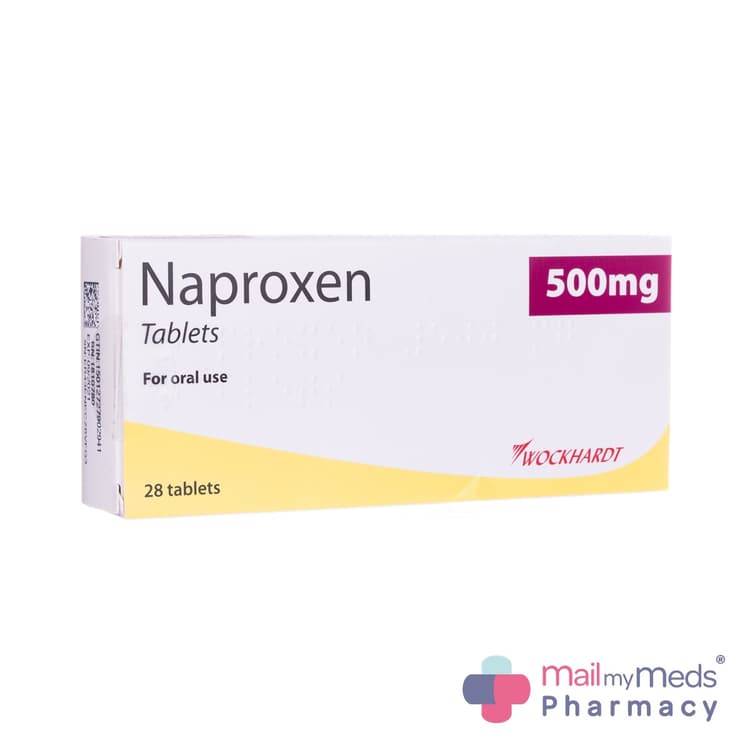


Images for illustrative purposes only
Naproxen is a powerful non-steroidal anti-inflammatory drug (NSAID) used to reduce pain and inflammation in conditions like osteoarthritis, back pain and period pain.
- Targets the source of inflammation
- Provides up to 12 hours of relief with a single dose
- Clinically proven for gout attacks, rheumatoid arthritis, and acute injury recovery
- Fulfilled by our UK-registered pharmacy for both NHS and private prescriptions
More information
"Naproxen is a highly effective anti-inflammatory medication typically prescribed for patients suffering from long-term joint conditions such as rheumatoid arthritis or osteoarthritis, as well as acute issues like gout, back pain and severe period pain. Its ability to inhibit the enzymes responsible for inflammation makes it a cornerstone of modern pain management, offering a reliable alternative for those who find standard over-the-counter options insufficient." — Rachael Clarke MRCPharm MFRPSI FRSPH (GPHC Number: 2061366)
You can buy Naproxen online through our secure site, which involves a convenient online consultation with a UK-registered prescriber to ensure the treatment is safe for you. Once your consultation is approved, your medication is dispensed and shipped directly from our registered pharmacy (GPHC Number: 9011560) in discreet, plain packaging to your home.
The price of Naproxen depends on the strength (250mg or 500mg) and the quantity required for your course of treatment. We aim to provide competitive, transparent pricing for all private prescriptions, while NHS prescriptions are processed at the standard flat-rate prescription charge unless you are exempt.
We offer multiple delivery options to suit your schedule, including tracked next-day delivery across the UK for urgent pain relief needs. All orders are sent in discreet packaging to maintain the integrity of your Naproxen tablets during transit.
Naproxen is a non-steroidal anti-inflammatory drug (NSAID) primarily used to treat painful conditions involving swelling, such as arthritis, gout and soft tissue injuries. In the UK, it is a frontline treatment for musculoskeletal disorders because it effectively reduces the production of prostaglandins, the chemicals in the body that signal pain and trigger inflammation.
The active ingredient in this medication is naproxen (or naproxen sodium in some formulations), which belongs to the propionic acid class of drugs. Each tablet also contains inactive ingredients such as lactose, magnesium stearate and maize starch, which help the body absorb the medication efficiently.
Many patients report that Naproxen is particularly effective for "night pain" and morning stiffness associated with arthritis due to its long-lasting half-life. Users often find it more convenient than other painkillers because it generally only needs to be taken twice a day to maintain constant relief.
You should always read the Patient Information Leaflet (PIL) included with your medication for a full list of ingredients and safety data. An electronic version of the Naproxen PIL is available through the electronic Medicines Compendium (eMC) or the NHS website.
Naproxen works by blocking cyclo-oxygenase (COX) enzymes, which are responsible for producing prostaglandins that cause pain and swelling at the site of an injury or joint. By lowering these prostaglandin levels, the medication reduces the inflammatory response, which in turn eases pain and improves mobility in the affected area.
You should always take Naproxen tablets with or immediately after food to protect your stomach lining from potential irritation. Swallow the tablets whole with a glass of water; if you are prescribed gastro-resistant tablets, do not crush or chew them as this destroys the protective coating.
The standard dosage for Naproxen varies depending on the condition being treated, but typically ranges from 250mg to 500mg taken twice daily. According to BNF guidelines, for acute gout, an initial dose of 750mg may be used, followed by 250mg every 8 hours until the attack subsides.
| Condition | Typical Initial Dose | Maintenance Dose |
|---|---|---|
| Arthritis | 500mg - 1000mg daily | Divided into 1 or 2 doses |
| Muscle/Period Pain | 500mg initially | 250mg every 6-8 hours |
| Acute Gout | 750mg initially | 250mg every 8 hours |
Common side effects of Naproxen include indigestion, heartburn, headache, and dizziness, though these often improve as your body adjusts to the medicine. According to the NHS, more serious but rare side effects can include stomach ulcers or allergic reactions; you should seek medical attention if you notice dark, tarry stools or persistent abdominal pain.
Naproxen may not be suitable for individuals with a history of stomach ulcers, severe heart failure, or those with certain types of asthma. You must inform your prescriber if you are taking blood-thinners like warfarin, as Naproxen can increase the risk of bleeding when taken alongside anticoagulants.
Naproxen is often preferred over ibuprofen for chronic conditions because it lasts longer in the system, providing 8 to 12 hours of relief compared to the 4 to 6 hours offered by ibuprofen. Research published via the University of Oxford suggests that high-dose Naproxen may also carry a lower cardiovascular risk compared to other NSAIDs like diclofenac, though it may be harder on the stomach.
Can you take paracetamol with Naproxen?
Yes, it is generally safe to take paracetamol with Naproxen for short periods if you require additional pain relief. However, you should avoid taking other NSAIDs, such as ibuprofen or aspirin, while taking Naproxen as this significantly increases the risk of stomach irritation.
Does Naproxen make you sleepy?
Naproxen can cause drowsiness or tiredness in some individuals, although this is not a universal side effect. If you find that the medication makes you feel sleepy or dizzy, you should avoid driving or operating heavy machinery until you feel alert again.
Can you drink alcohol while taking Naproxen?
While moderate alcohol consumption is not strictly forbidden, drinking alcohol while taking Naproxen can increase the risk of stomach irritation and gastrointestinal bleeding. It is best to keep your intake minimal to avoid aggravating your digestive system.
How long does Naproxen take to work?
For acute pain like toothache or a sprain, Naproxen usually starts to work within 30 to 60 minutes. For chronic inflammatory conditions like arthritis, it may take up to one week of regular use to feel the full anti-inflammatory benefits.
The information provided on this page is for general informational purposes only and is not a substitute for professional medical advice, diagnosis, or treatment. Always seek the advice of your doctor or another qualified health provider with any questions you may have regarding a medical condition or the use of Naproxen.
Our clinical content is regularly reviewed by a team of qualified medical experts and pharmacists to ensure that all information reflects the latest UK healthcare guidelines from the NHS, NICE and the BNF.


