
Free delivery on all NHS prescriptions — order now
- Home
- Chronic Conditions
- Gout
- Naproxen
Naproxen

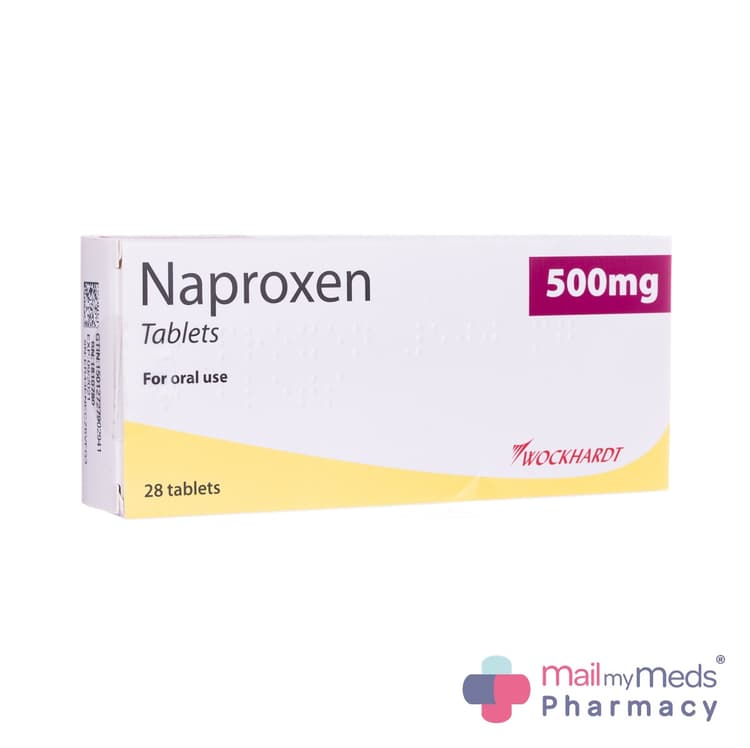


Images for illustrative purposes only
Naproxen for gout is a non-steroidal anti-inflammatory medicine containing naproxen, commonly prescribed to help manage symptoms associated with gout, including joint inflammation and discomfort.
- Commonly used for gout and joint inflammation
- Contains the active ingredient naproxen
- Available via online prescription in the UK
- Convenient ordering with home delivery
More information
“Naproxen is typically prescribed for inflammatory conditions such as gout, where uric acid crystals can cause joint pain and swelling. It belongs to a group of medicines known as NSAIDs and is often considered as part of a wider treatment approach depending on individual needs.” - Rachael Clarke MRCPharm MFRPSI FRSPH (GPHC Number: 2061366)
You can buy Naproxen Gout online in the UK through a secure consultation reviewed by a registered prescriber. If approved, your prescription is dispensed and delivered discreetly to your home.
- Complete a quick online medical questionnaire
- A registered prescriber reviews your request
- If suitable, your prescription is issued
- Medication is shipped from our pharmacy (GPHC Number: 9011560)
The cost of Naproxen Gout can vary depending on your prescription and treatment plan. Mail my Meds ensures transparent pricing with no hidden fees.
Delivery options are designed for convenience and discretion, ensuring your treatment arrives safely at your chosen address.
Naproxen is used to manage inflammation linked to conditions such as gout, where uric acid crystal build-up affects joints, often in the feet, ankles or knees.
- Gout flare-ups
- Joint inflammation
- Musculoskeletal discomfort
The active ingredient in this treatment is naproxen, a non-steroidal anti-inflammatory drug (NSAID).
Patient experiences can vary. Some individuals report improvement in managing joint discomfort during gout episodes, while others may require alternative options based on their medical history.
You should always refer to the Patient Information Leaflet provided with your medication for full guidance on safe use.
Naproxen works by reducing substances in the body that contribute to inflammation, which may help manage symptoms associated with gout.
Take Naproxen exactly as prescribed by your clinician. It is usually taken with or after food to help reduce stomach irritation.
Dosage will depend on your individual prescription. Always follow the instructions provided by your prescriber.
Like all medicines, Naproxen may cause side effects in some people.
- Stomach discomfort
- Indigestion
- Headache
Seek medical advice if you experience any unusual symptoms.
Naproxen may not be suitable for everyone, particularly those with certain health conditions or who are taking other medicines.
- Inform your prescriber of any existing conditions
- Disclose all current medications
- Follow professional advice carefully
Naproxen is one of several treatments used for gout. Other options may include colchicine or corticosteroids depending on your clinical needs.
| Treatment | Type | Common Use |
|---|---|---|
| Naproxen | NSAID | Inflammation management |
| Colchicine | Anti-inflammatory | Gout flare treatment |
| Corticosteroids | Steroid | Alternative for inflammation |
Can I buy Naproxen Gout online in the UK?
Yes, it is available through an online consultation with a registered prescriber.
Do I need a prescription for Naproxen?
Yes, Naproxen is a prescription-only medicine in the UK.
Is Naproxen suitable for gout?
It is commonly prescribed as part of a treatment plan for managing gout symptoms.
How quickly does Naproxen work?
Response times vary between individuals and depend on the condition being treated.
This content is for general informational purposes only and does not replace advice from a qualified healthcare professional. Always consult a medical expert for personalised guidance.
Our content is regularly reviewed by our team of medical experts to ensure it remains accurate, up to date and aligned with current UK clinical guidance.


