
Free delivery on all NHS prescriptions — order now
Nebivolol

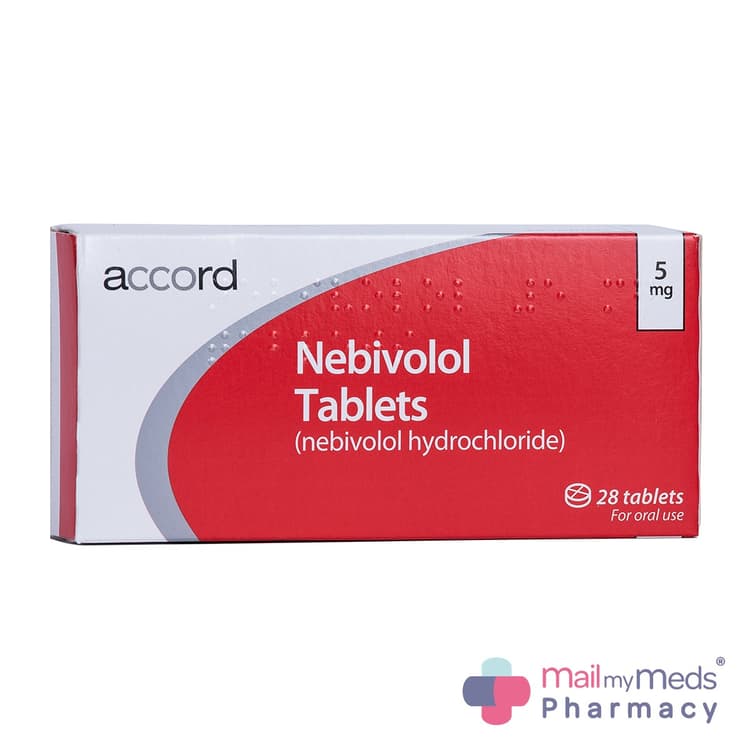


Images for illustrative purposes only
Nebivolol is a cardioselective beta-blocker containing the active ingredient nebivolol hydrochloride which is used to treat high blood pressure (hypertension) and stable chronic heart failure by slowing the heart rate and improving blood flow.
- Helps manage essential hypertension by relaxing blood vessels
- Licensed for mild to moderate chronic heart failure in patients over 70
- A third-generation beta-blocker with high β1-receptor specificity
- Reliable shipping from our GPhC registered UK pharmacy.
More information
"Nebivolol is typically prescribed to patients as a treatment for essential hypertension to reduce the risk of cardiovascular events or for those aged 70 and over to manage mild to moderate chronic heart failure. This medication is unique among beta-adrenoceptor blocking agents because it also encourages the production of nitric oxide, which helps the blood vessels to widen and reduces the workload on the heart." - Rachael Clarke MRCPharm MFRPSI FRSPH (GPHC Number: 2061366)
You can purchase Nebivolol through our secure online platform following a consultation with a registered prescriber to ensure the medication is appropriate for your health needs. Once your consultation is approved, your order is fulfilled and shipped directly from our pharmacy (GPHC Number: 9011560) using discreet packaging to maintain your privacy.
The price of Nebivolol varies depending on whether you are fulfilling a private prescription or an NHS repeat prescription through our service. We aim to provide a cost-effective solution for long-term heart health management while maintaining the highest standards of pharmaceutical care.
We offer several reliable delivery methods across the UK to ensure your heart medication arrives promptly and safely at your door. You can select your preferred shipping speed during the checkout process after your prescription has been clinically reviewed.
Nebivolol is a cardiovascular medication used primarily to treat raised blood pressure (hypertension) and chronic heart failure in older adults. By managing these conditions, the treatment helps to prevent serious future complications such as strokes, heart attacks and kidney problems.
The active ingredient in this medication is nebivolol hydrochloride, which belongs to a class of drugs known as selective beta-blockers. Each tablet also contains inactive excipients such as lactose monohydrate, which helps to form the structure of the medicine.
Many patients report that this treatment is effective at lowering their blood pressure with fewer metabolic side effects compared to older generations of beta-blockers. Users often appreciate the once-daily dosing schedule, though some may initially experience mild fatigue or dizziness as their body adjusts to the lowered heart rate.
The Patient Information Leaflet (PIL) is included in every box of medication and provides essential details regarding ingredients, usage and safety. You should read the PIL thoroughly before starting your treatment to understand how to manage your condition safely.
Nebivolol works by blocking certain nerve messages from reaching the heart and blood vessels, which causes the heart to beat more slowly and with less force. Additionally, it stimulates the release of nitric oxide in the blood vessels, leading to vasodilation which further assists in lowering systemic blood pressure.
You should take your tablet at the same time each day with a glass of water, either with or without food. Consistency is key for managing blood pressure, so it is helpful to incorporate the dose into your daily morning or evening routine.
The standard dosage for hypertension is usually 5mg once per day, though your prescriber may adjust this based on your age and kidney function. For chronic heart failure, treatment typically starts at a lower dose of 1.25mg and is gradually increased over several weeks until the optimal maintenance dose is reached.
Common side effects can occur as your cardiovascular system adapts to the medication, although not everyone will experience them. Most symptoms are mild and temporary, but you should contact your healthcare provider if they persist.
- Headaches and dizziness
- Tiredness or fatigue
- Paresthesia (tingling or itching sensations)
- Gastrointestinal issues like diarrhoea or constipation
- Shortness of breath
- Swollen hands or feet (oedema)
You must not stop taking this medication abruptly, as a sudden withdrawal can lead to a severe rebound in blood pressure or worsening of heart symptoms. Inform your prescriber if you have asthma, liver problems, poor circulation or diabetes, as beta-blockers can sometimes mask the symptoms of low blood sugar (hypoglycaemia).
Nebivolol is often compared to other beta-blockers like Bisoprolol or Atenolol because it offers high selectivity for the heart while also providing vasodilatory benefits. Unlike some older treatments, research suggests it has a more neutral effect on blood sugar and lipid levels, making it a preferred choice for some patients with metabolic concerns.
| Feature | Nebivolol | Atenolol / Bisoprolol |
|---|---|---|
| Generation | 3rd Generation | 2nd Generation |
| Vasodilation | Yes (via Nitric Oxide) | No |
| Metabolic Profile | Neutral effect on lipids/sugar | Can impact sugar/lipids |
| Dosing | Once daily | Once daily |
Can I drink alcohol while taking Nebivolol?
Alcohol can increase the blood pressure-lowering effect of the medication, which may make you feel dizzy or faint, so it is best to limit consumption. You should discuss your alcohol intake with your pharmacist or doctor to ensure safety.
What should I do if I miss a dose?
If you miss a dose, take it as soon as you remember unless it is nearly time for your next scheduled tablet. Never take a double dose to make up for a forgotten one, as this can cause your blood pressure to drop too low.
Is this medication suitable during pregnancy?
This treatment is not generally recommended during pregnancy or breastfeeding unless your doctor decides it is essential. Beta-blockers can affect the blood flow to the placenta and may impact the baby's heart rate and blood sugar after birth.
The information provided on this page is for general informational purposes only and should not replace seeking a medical professional for personalised advice. Always consult with a qualified healthcare provider before starting any new treatment or making changes to your current medication regime.
Our content is regularly reviewed by our team of medical experts to ensure it is up to date and accurate. We follow strict clinical guidelines to provide you with reliable information that supports your health and wellbeing.


