
Free delivery on all NHS prescriptions — order now
Ramipril

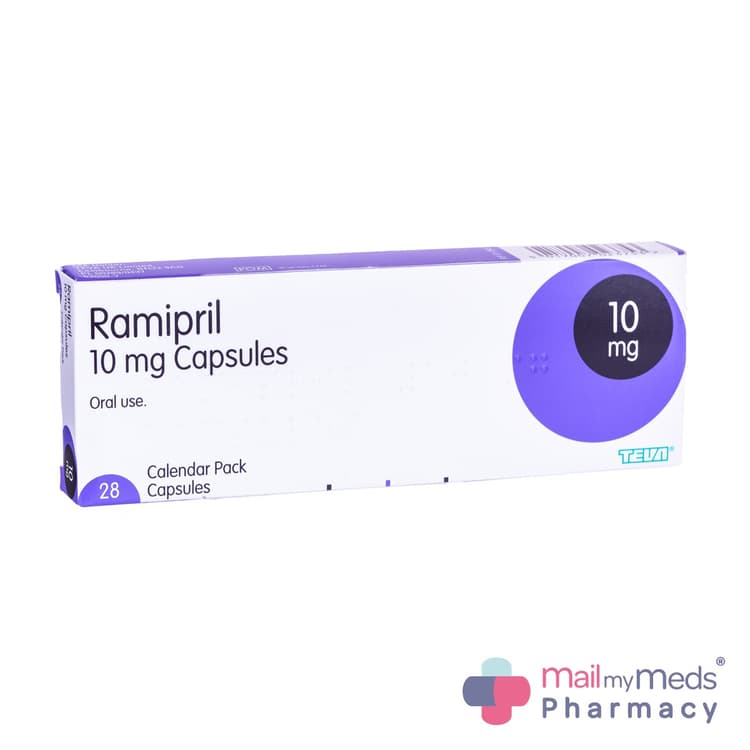


Images for illustrative purposes only
Ramipril is a highly effective ACE inhibitor used to treat hypertension (high blood pressure) and manage heart failure by relaxing blood vessels to improve circulation and reduce cardiovascular strain.
- Available in multiple strengths
- Clinically proven to reduce the risk of heart attacks and strokes
- Supports kidney health, particularly for people managing complications from diabetes
- Convenient once-daily dosing provides 24-hour management of blood pressure levels
More information
"Ramipril is one of the most widely prescribed medications in the UK for the long-term management of hypertension and the protection of heart function following a myocardial infarction (heart attack). As an ACE inhibitor, it is a foundational treatment for patients with congestive heart failure and those at high risk of cardiovascular events, helping to improve survival rates and reduce hospital admissions."
— Rachael Clarke MRCPharm MFRPSI FRSPH (GPHC Number: 2061366)
You can buy Ramipril securely through our online clinic following a simple consultation with a registered UK prescriber to ensure the medication is safe for your specific health needs. If your consultation is approved, your prescription will be fulfilled and shipped discreetly to your home from our registered pharmacy (GPHC Number: 9011560).
The cost of Ramipril starts from competitive rates for private prescriptions, while NHS repeat prescriptions are fulfilled at the standard seasonal prescription charge or free of charge if you hold a valid exemption. By choosing Mail my Meds, you avoid the hassle of visiting a physical pharmacy while benefiting from transparent pricing on all strengths.
We offer several flexible delivery options including standard tracked delivery and next-day shipping to ensure your blood pressure treatment arrives when you need it. All medications are sent in plain, discreet packaging to maintain your privacy throughout the transit process.
Ramipril is an Angiotensin-Converting Enzyme (ACE) inhibitor used primarily to treat hypertension, prevent heart failure, and lower the risk of stroke or heart attack. According to the National Institute for Health and Care Excellence (NICE), it works by preventing the body from producing a chemical called angiotensin II, which normally causes blood vessels to tighten and narrow.
The active ingredient is ramipril, a "prodrug" that the liver converts into its active form, ramiprilat, once swallowed. This active metabolite binds to and inhibits the ACE enzyme, leading to systemic vasodilation and a reduction in the workload on your heart muscle.
Ramipril works by widening your blood vessels and making it easier for your heart to pump blood around your body, which effectively lowers your systemic blood pressure. By reducing the production of angiotensin II, it also decreases the release of aldosterone, helping the kidneys remove excess water and salt from the bloodstream.
Most patients find Ramipril easy to incorporate into their daily routine, though some may experience a dry, persistent cough which is a well-known characteristic of the ACE inhibitor class. While many users report feeling no different while the medication works "behind the scenes," others may feel slight dizziness during the first few days as their body adjusts to lower blood pressure levels.
You should take Ramipril exactly as prescribed by your doctor, usually as a single dose once per day at the same time each morning or evening. It can be taken with or without food, but it is important to swallow the capsules whole with a drink of water rather than chewing or crushing them.
Dosage for Ramipril typically starts at 1.25mg or 2.5mg once daily and is gradually titrated upwards by a healthcare professional based on your clinical response.
| Condition | Typical Starting Dose | Maximum Daily Dose |
|---|---|---|
| Hypertension | 2.5mg once daily | 10mg daily |
| Heart Failure | 1.25mg once daily | 10mg daily (often split) |
| Post-Heart Attack | 2.5mg twice daily | 10mg daily |
Common side effects of Ramipril include a dry tickly cough, headaches, dizziness, and feeling tired, particularly when you first start the medication or increase your dose. More serious but rare side effects include a severe allergic reaction (angioedema) involving swelling of the face or throat, and changes in kidney function, which is why regular blood tests are required.
You should avoid using salt substitutes (such as Lo-Salt) while taking Ramipril because they are high in potassium and can lead to hyperkalaemia (dangerously high potassium levels). You must inform your doctor if you are pregnant or planning to become pregnant, as ACE inhibitors can be harmful to a developing baby, particularly in the second and third trimesters.
Ramipril is often the first-line choice for patients under 55, whereas Calcium Channel Blockers like Amlodipine are frequently preferred for those over 55 or of African-Caribbean descent. Unlike beta-blockers, which slow the heart rate, Ramipril focuses on the blood vessels, making it more effective at protecting the kidneys and reversing heart thickening.
You should always read the Patient Information Leaflet (PIL) included in your medication pack for a full list of ingredients and side effects.
Is Ramipril a beta blocker?
No, Ramipril is an ACE inhibitor, not a beta blocker. It lowers blood pressure by relaxing blood vessels rather than by slowing the heart rate down directly.
Can I drink coffee while taking Ramipril?
You can drink coffee in moderation, but be aware that caffeine can occasionally raise blood pressure, and coffee contains small amounts of potassium which may accumulate if you have kidney issues.
Does Ramipril cause weight gain?
Weight gain is not a typical side effect of Ramipril. However, if you notice sudden swelling in your ankles or rapid weight gain, you should contact your doctor as this can be a sign of heart or kidney changes.
How long does Ramipril stay in your system?
Ramipril has a "terminal half-life" of more than 50 hours, meaning it can take several days for the medication to be completely cleared from your body after your last dose.
The information provided on this page is for general informational purposes only and should not replace seeing a medical professional for personalised advice. Always consult with your GP or a qualified pharmacist before starting new treatments or making changes to your current medication regimen.
Our content is regularly reviewed by our team of medical experts and registered pharmacists to ensure it remains up to date with the latest clinical guidelines from the NHS, BNF, and NICE. We prioritise evidence-based information to help you manage your health safely and effectively.
Author


Content last updated: