
Free delivery on all NHS prescriptions — order now
- Home
- Chronic Conditions
- Incontinence
- Tolterodine
Tolterodine

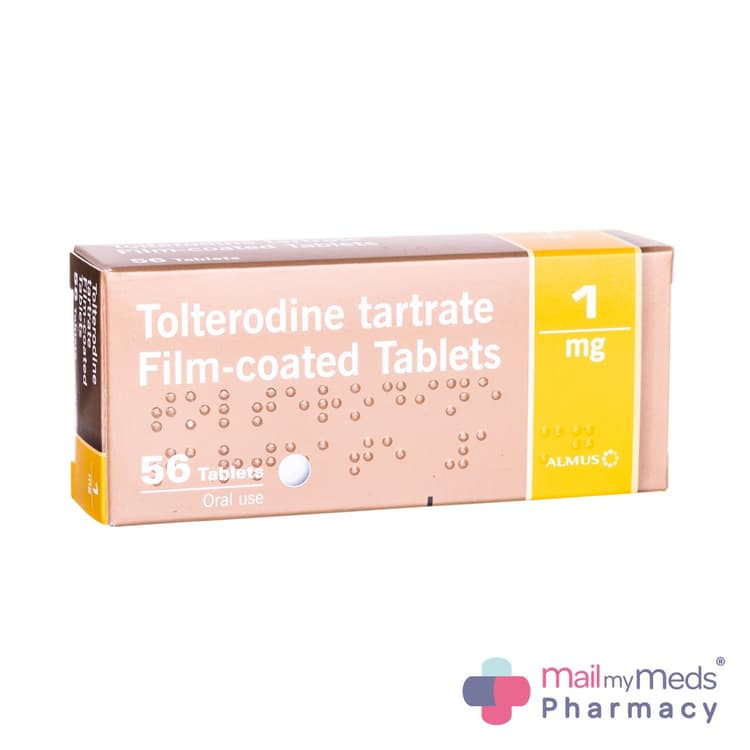


Images for illustrative purposes only
Tolterodine is a prescription antimuscarinic medication used to treat symptoms of an overactive bladder, such as urinary frequency and urgency, by relaxing the detrusor muscle using its active ingredient, tolterodine tartrate.
- Effective relief for overactive bladder (OAB) symptoms
- Clinical consultation with UK registered prescribers
- Discreet tracked delivery to your home or workplace
- Fulfill NHS and private prescriptions online
More information
"Tolterodine is a widely utilised treatment for managing the symptoms of overactive bladder syndrome, specifically helping patients who experience a sudden, urgent need to urinate or frequent bathroom visits. By targeting the bladder wall muscles, it supports better control and reduces the incidence of urge incontinence." - Rachael Clarke MRCPharm MFRPSI FRSPH (GPHC Number: 2061366)
You can buy Tolterodine through our secure online consultation process, which is reviewed by a UK registered prescriber to ensure the treatment is suitable for your clinical needs. Once your consultation is approved, your medication is dispensed and shipped directly from our pharmacy (GPHC Number: 9011560) in discreet packaging to maintain your privacy.
The cost of Tolterodine varies depending on whether you are fulfilling a private prescription or a repeat NHS prescription through our platform. We aim to provide competitive pricing for all bladder health treatments, ensuring you receive value alongside professional pharmaceutical care.
We provide multiple reliable delivery options across the UK to ensure your medication reaches you promptly and safely. All orders are sent in plain, unbranded packaging to ensure complete discretion for our patients.
Tolterodine is a medication primarily prescribed to manage the symptoms of overactive bladder syndrome and certain types of urinary incontinence. It helps individuals who suffer from urinary urgency (a sudden need to pee), urinary frequency (needing to pee often), and urge incontinence (leaking before reaching a toilet).
The active ingredient in this medication is tolterodine tartrate, which belongs to a class of drugs known as antimuscarinics or anticholinergics. It specifically targets muscarinic receptors in the bladder to regulate muscle contractions.
Many patients report a significant improvement in their quality of life after three to four weeks of consistent use as their bladder capacity increases. While individual results vary, the reduction in daily "rushes" to the bathroom is a frequently cited benefit by those managing chronic OAB symptoms.
The Patient Information Leaflet (PIL) is included with every box of medication and contains essential data regarding ingredients, usage and safety. You should read the PIL thoroughly before starting your treatment to understand the specific guidance for your prescribed dose.
Tolterodine works by blocking the chemical messenger acetylcholine from sending signals that cause the bladder muscles to contract prematurely. By relaxing the detrusor muscle in the bladder wall, the treatment allows the bladder to hold more urine and reduces the sudden, involuntary "spasms" that cause urgency.
You should take Tolterodine exactly as directed by your prescriber, usually swallowing the tablets whole with a drink of water. It can be taken with or without food, but try to take your doses at the same time each day to maintain a consistent level of medicine in your body.
The standard dosage for adults is typically 2mg twice daily, though this may be adjusted to 1mg twice daily based on individual tolerance and response. For modified-release versions, a single daily dose of 4mg is often prescribed to provide symptoms relief over a 24-hour period.
Like all medicines, Tolterodine can cause side effects, although not everybody gets them. Many people find that side effects such as a dry mouth diminish as their body adjusts to the medication.
- Very Common: Dry mouth.
- Common: Headache, dizziness, sleepiness, dry eyes and blurred vision.
- Gastrointestinal: Constipation, abdominal pain and indigestion.
Before taking Tolterodine, inform your prescriber if you have a history of narrow-angle glaucoma, urinary retention or severe gastrointestinal conditions. It should be used with caution in patients with kidney or liver impairment, and it is generally not recommended during pregnancy or breastfeeding.
| Medication | Mechanism | Key Difference |
|---|---|---|
| Tolterodine | Antimuscarinic | Often better tolerated than older drugs like Oxybutynin. |
| Oxybutynin | Antimuscarinic | Effective but may have a higher incidence of dry mouth. |
| Mirabegron | Beta-3 agonist | Different class. Used if antimuscarinics are not suitable. |
How long does Tolterodine take to work?
While some effect may be noticed within hours, it can take up to four weeks to see the full clinical benefits of the treatment. Your prescriber will typically review your progress after the first month to ensure it is the right option for you.
Can I drink alcohol while taking this?
It is best to avoid alcohol when you first start taking Tolterodine as it can increase feelings of drowsiness or dizziness. Once you know how the medication affects you, you may have a small amount, but be aware that alcohol can also irritate the bladder.
Will it affect my ability to drive?
Tolterodine may cause blurred vision or dizziness in some patients. If you experience these symptoms, you should not drive or operate machinery until you feel alert and your vision is clear.
The information provided on this page is for general informational purposes only and should not replace seeking advice from a medical professional. Always consult with a doctor or pharmacist for personalised medical guidance regarding your health and treatments.
Our content is regularly reviewed by our team of medical experts to ensure it remains up to date, accurate and reliable for our patients. We follow strict clinical guidelines to provide you with the most current information available in the UK.


