
Free delivery on all NHS prescriptions — order now
- Home
- Travel Health
- Malaria
Malaria
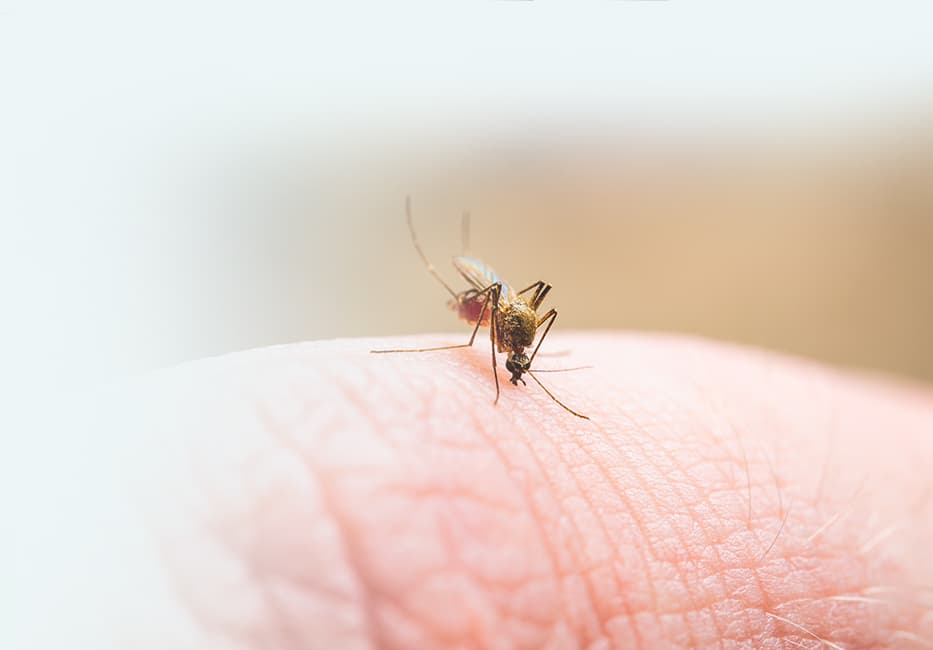
Malaria is a life-threatening parasitic infection transmitted via Anopheles mosquito bites that affects over 2,000 UK travellers annually, causing symptoms like high fever, chills and vomiting, which can be effectively prevented using prescription antimalarials or managed with over-the-counter options.
More Information
"Malaria prevention is a critical component of travel health for anyone visiting endemic regions, as even a single bite from an infected mosquito can lead to severe complications. Our clinical team typically prescribes chemoprophylaxis for travellers headed to high-risk areas in Africa, Asia and South America to ensure the Plasmodium parasite is neutralised before it can cause illness. If you are planning a trip to a tropical destination, we strongly encourage you to start an online consultation today so we can determine the safest and most effective antimalarial for your specific itinerary."— Rachael Clarke MRCPharm MFRPSI FRSPH (GPHC Number: 2061366)
You can buy malaria tablets safely through Mail My Meds by completing a simple online medical consultation that allows our independent prescribers to review your travel plans and health history. Once your suitability is confirmed, your medication is dispensed and shipped directly from our registered UK pharmacy (GPHC Number: 9011560). This process ensures you receive genuine UK-licensed medication without needing a face-to-face GP appointment, providing a convenient and reliable solution for your travel health needs.
Malaria is a serious tropical disease caused by a parasite known as Plasmodium, which is injected into the human bloodstream through the bite of an infected female mosquito. Once inside the body, the parasites travel to the liver to mature before entering the red blood cells, where they multiply and cause the characteristic symptoms of the infection. While it is not a virus, malaria behaves as an acute febrile illness that requires rapid diagnosis to prevent permanent organ damage or death.
Malaria remains a significant health risk for UK residents, with provisional data from the UKHSA showing that cases reached a record high of over 2,000 in recent years. The majority of these cases occur in travellers returning from West Africa, particularly those visiting friends and relatives who may mistakenly believe they have natural immunity. According to the NHS, around six deaths occur each year in the UK due to imported malaria, highlighting the vital importance of following a strict prevention regime.
The primary cause of malaria is the transmission of Plasmodium parasites, most commonly P. falciparum, P. vivax, P. ovale, and P. malariae, via the bite of a night-biting mosquito. These mosquitoes are most active between dusk and dawn, acting as vectors that carry the parasite from one infected human to another. It cannot be spread directly from person to person like a cold or flu, but in very rare instances, it can be transferred via blood transfusions or shared needles.
Potential treatments for malaria prevention involve taking daily or weekly tablets that prevent the parasite from establishing itself in your system. The effectiveness of these medications depends heavily on local resistance patterns at your destination, which is why a professional consultation is essential.
| Treatment Name | Type | How it Works | Regimen Duration |
|---|---|---|---|
| Malarone (Atovaquone/Proguanil) | Prescription | Stops the parasite from reproducing in the liver and blood. | Daily: 2 days before, during, and 7 days after travel. |
| Doxycycline | Prescription | An antibiotic that prevents parasite protein synthesis. | Daily: 2 days before, during, and 4 weeks after travel. |
| Lariam (Mefloquine) | Prescription | Destroys the asexual blood stages of the parasite. | Weekly: 3 weeks before, during, and 4 weeks after travel. |
| Avloclor/Paludrine | Over-the-counter | Interferes with parasite metabolism in the blood. | Variable. Used in very low-risk regions. |
Malarone (and its generic equivalent Atovaquone/Proguanil) is currently the most popular malaria tablet in the UK due to its high efficacy and short post-travel dosing period. Many travellers prefer Malarone because it only needs to be taken for seven days after returning home, whereas Doxycycline requires a four-week commitment. Doxycycline remains a top choice for those looking for the cheapest malaria tablets UK wide, especially for longer trips where cost becomes a significant factor.
Common side effects of antimalarial medications vary depending on the drug but often include mild gastrointestinal upset, headaches, or dizziness. Specific side effects to watch for include:
- Malarone: Possible stomach pain, nausea, or vivid dreams.
- Doxycycline: Increased sensitivity to sunlight (photosensitivity) and potential for thrush in women.
- Lariam: Known to occasionally cause neuropsychiatric effects, such as anxiety or sleep disturbances.
Most adults and children over a certain weight are suitable for malaria treatments, provided they do not have specific contraindications like severe kidney disease or a history of mental health issues. Pregnant women and breastfeeding mothers require specialist advice, as certain medications like Doxycycline are generally avoided during pregnancy. Our online consultation process is designed to screen for these factors to ensure you receive a safe recommendation.
No malaria tablet is 100% effective, so you must always combine medication with bite avoidance measures like using 50% DEET repellent and sleeping under insecticide-treated nets. You should also be aware that malaria has an incubation period usually ranging from 7 to 30 days, but some strains can lie dormant in the liver for up to a year. If you develop a fever after returning from a risk area, seek medical attention immediately, even if you took your tablets correctly.
To start your malaria prevention treatment, simply select your destination and travel dates on our platform to begin your clinical assessment. It is best to start this process at least 2 to 3 weeks before you travel, as some medications need to be started several days before you arrive in a malaria-risk zone. Once approved, your tablets will be delivered to your door via a tracked service.
Is malaria a virus or a bacteria?
Malaria is neither a virus nor a bacteria. It is caused by a single-celled parasite called Plasmodium. This is why it cannot be treated with standard antibiotics unless they have specific anti-parasitic properties, like Doxycycline.
Can you catch malaria in England?
You cannot catch malaria in England as the specific type of mosquito that transmits the parasite to humans is not found in the UK climate. All cases diagnosed in the UK are "imported," meaning the person was bitten while travelling abroad.
Is there a vaccine for malaria?
While malaria vaccines (like RTS,S and R21) have been developed and are being rolled out in high-risk areas of Africa, they are currently prioritised for children living in those regions and are not yet available for UK travellers as a routine prevention method.
The information provided on this page is for general informational purposes only and should not replace seeking advice from a medical professional for personalised travel health recommendations. Always consult with a qualified healthcare provider or pharmacist before starting any new medication to ensure it is safe for your specific health profile.
Our content is regularly reviewed by our team of medical experts to ensure it remains up to date with the latest UKHSA and NICE clinical guidelines. We are committed to providing accurate, evidence-based information to help you stay safe during your travels.
What Our Customers Say
Trusted by thousands of patients across the North East


