
Wellbeing
Alzheimer’s Test Methods Compared


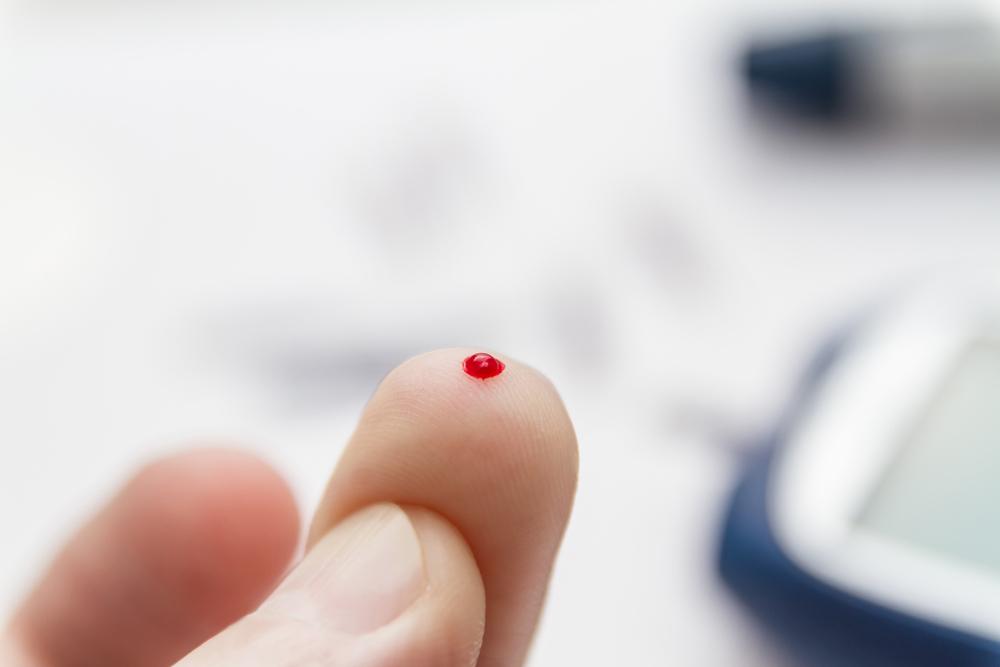
Alzheimer’s disease testing is changing as researchers develop blood tests that may help identify Alzheimer’s-related changes more accurately and accessibly. However, blood tests and urine tests measure different biomarkers, have different levels of clinical evidence and cannot all be used to diagnose the condition [1].
This guide compares tau blood tests, including p-tau217, with amyloid-beta urine tests and other urine biomarkers. It also explains current NHS pathways, private testing, the limitations of at-home screening and how Mail My Meds may support people seeking information about their health.
In One Sentence:
Blood tests measuring p-tau217 currently have stronger clinical evidence than Alzheimer's urine tests, with some validated blood tests achieving diagnostic accuracy of about 90% or higher in large studies, but neither a blood test nor a urine test should replace a full assessment by a GP or specialist memory clinic.
Key Takeaways
Which Alzheimer's test has the strongest evidence? Blood tests measuring p-tau217 have substantial clinical evidence, although accuracy varies by test, patient group and intended use.
What do Alzheimer's blood and urine tests measure? Blood tests can measure phosphorylated tau proteins associated with Alzheimer's disease, while urine tests investigate amyloid-beta fragments and other potential biomarkers.
Can a test confirm Alzheimer's disease? No test result should be interpreted in isolation because diagnosis requires consideration of symptoms, medical history, cognitive testing and, where appropriate, specialist investigations.
Are Alzheimer's tests available on the NHS? Blood biomarker research and clinical trials are helping assess how these tests could be used in NHS memory services, while urine tests are not established replacements for standard diagnostic assessments.
What should I do if I am worried about my memory? Contact your GP for an assessment rather than relying on a home test or using a negative result to rule out Alzheimer's disease.
What is the main difference between amyloid-β urine tests and tau blood tests?
The main difference is that tau blood tests measure proteins associated with Alzheimer's-related brain changes in the blood, while amyloid-β urine tests investigate whether amyloid-β fragments can be detected reliably in urine.
Amyloid and tau are proteins involved in Alzheimer's disease. Amyloid-beta can accumulate in plaques around brain cells, while abnormal tau can form tangles inside them [6]. These changes may begin many years before noticeable symptoms develop, during a period sometimes called preclinical Alzheimer's disease.
The NHS explains that amyloid plaques and tau tangles are associated with the biological processes underlying Alzheimer's disease. Research into biomarkers aims to detect these changes more directly than traditional memory and thinking tests alone.
NEJM Study
A 2012 New England Journal of Medicine study of inherited Alzheimer's disease found that changes in cerebrospinal fluid amyloid could be detected around 25 years before expected symptoms, with amyloid PET changes and rising tau appearing around 15 years before symptoms [7]. These findings demonstrate the potential value of biomarkers, but they do not mean that every biomarker test can predict when an individual will develop dementia.
UCL Research
UCL researchers describe p-tau217 as the most promising biomarker for Alzheimer's disease because it can reflect changes associated with both amyloid and tau pathology [8]. By comparison, amyloid-β urine testing remains at an earlier stage of laboratory development, with further research needed to establish its reliability in clinical practice.
A urine test may be easier to collect at home and does not require a needle, but convenience does not establish diagnostic accuracy. A tau blood test has a more substantial evidence base, although it must still be validated for its intended use.
Tau blood tests
Tau blood tests measure forms of tau protein, including phosphorylated tau 217 (p-tau217), which are associated with Alzheimer's-related changes in the brain.
Phosphorylation occurs when chemical tags called phosphate groups attach to a protein. Researchers can measure particular forms of phosphorylated tau in plasma, the liquid component of blood. These biomarkers may help identify changes associated with amyloid accumulation and tau pathology.
UCL research and studies involving UK researchers have helped increase interest in p-tau217 as a potential tool for improving the accuracy of Alzheimer's assessments. However, a biomarker result is not the same as a complete clinical diagnosis.
Blood tests may offer a less invasive alternative to some specialised investigations. They could help clinicians decide who needs further assessment, reducing the need for some patients to undergo a lumbar puncture or PET scan.
Amyloid-β urine tests
Amyloid-β urine tests investigate whether fragments of amyloid-beta, including amyloid-beta 1-42, can be measured reliably in urine samples.
Amyloid-beta is associated with plaques that develop around brain cells in Alzheimer's disease. Researchers have explored whether fragments of this protein can be detected in urine using laboratory tests, including immunoassays that identify specific proteins or other target substances.
A 2020 laboratory study published in the Journal of Immunology Research explored an approach to detecting amyloid-beta 1-42 in urine. The researchers noted that existing detection methods could be complicated and expensive.
However, laboratory development is only one stage of test validation. Researchers must establish whether the marker can be measured consistently, whether it distinguishes Alzheimer's disease from other conditions and whether the results are reliable in the people who would use the test.
For this reason, an amyloid-β urine test should not be treated as equivalent to a clinically validated tau blood test.
AD7c-NTP urine tests
AD7c-NTP urine tests measure a substance associated with neuronal thread protein that has been investigated as a potential marker of Alzheimer's disease.
Researchers have studied urinary AD7c-NTP because it may be associated with changes in the nervous system. However, the strength of the evidence is limited by questions about its specificity, its relationship with cognitive symptoms and the influence of other health factors.
A 2014 review of nine studies in the Journal of Alzheimer's Disease examined AD7c-NTP as a potential marker of probable Alzheimer's disease [9]. Although the research provided a basis for further investigation, it did not establish that every AD7c-NTP urine test can reliably diagnose the condition.
A 2020 study of 2,180 adults in Beijing found that urinary AD7c-NTP was associated with kidney function, blood sugar and blood fats, but not with scores on the Mini-Mental State Examination (MMSE), a commonly used memory and thinking assessment [10]. The authors suggested that it might have a role in predicting risk, subject to further study.
This distinction matters when considering at-home urine screening kits. A marker that shows an association with a health condition is not necessarily a dependable diagnostic test.
Other urine markers
Other urine markers, including formaldehyde and urinary formic acid, have been investigated as possible indicators of Alzheimer's-related changes, but they require further clinical validation.
Researchers have explored whether urine formaldehyde levels or other chemical markers could help distinguish people with Alzheimer's disease from people without the condition.
A 2022 review in Frontiers in Ageing Neuroscience highlighted limitations in the evidence for urine-based biomarkers, including the concentration of studies in China and the effects of sample handling [11]. Differences in collection, storage and laboratory methods can influence results.
A separate 2022 study of urinary formic acid in 574 people found raised levels from the earliest stage studied, subjective cognitive decline [12]. However, the test distinguished Alzheimer's disease from normal cognition with only moderate accuracy, with an area under the curve (AUC) of 0.80. An AUC of 1.0 represents perfect discrimination, while 0.5 represents performance equivalent to chance.
The study used measurements taken at a single point in time, so long-term follow-up is needed to establish whether the marker can reliably predict disease progression.
"An at-home urine screening test could make it easier for people to start exploring their health concerns, but convenience must not be confused with diagnostic certainty. Before urine testing can be relied upon to identify Alzheimer's disease, it needs convincing clinical evidence and validation. If you have concerns about your memory, speak to your GP rather than relying on urine testing or blood tests alone."
How do amyloid and tau biomarkers work?
Amyloid and tau biomarkers help researchers and clinicians investigate biological changes associated with Alzheimer's disease, sometimes before symptoms become obvious.
Amyloid-beta can accumulate in plaques around brain cells, while abnormal tau can form tangles within them. These changes may affect brain function over time and are associated with the development of Alzheimer's-related symptoms.
Blood tests
Blood tests measure proteins or other substances that circulate in the bloodstream. Some brain-related proteins can enter the blood in measurable quantities, although their levels may be affected by biological processes outside the brain. The blood-brain barrier also influences how substances move between the brain and the bloodstream.
Biomarker tests
A biomarker test therefore needs to show that its measurements reliably reflect the brain changes it is intended to identify. Researchers assess this through laboratory studies, clinical validation and comparisons with established methods such as amyloid PET scans and cerebrospinal fluid tests.
The Alzheimer's Association's 2024 revised criteria for diagnosing Alzheimer's disease recognise accurate blood biomarkers alongside amyloid PET and spinal fluid testing as important tools for identifying Alzheimer's-related biological changes [13]. However, the criteria also advise against diagnostic biomarker testing in people without symptoms outside research settings.
This distinction between identifying biological changes and diagnosing a person is essential. A biomarker may indicate Alzheimer's-related pathology without establishing the cause of someone's memory problems or predicting their future with certainty.
Why is the p-tau217 blood test so promising?
The p-tau217 blood test is promising because several substantial studies have found that it can identify Alzheimer's-related changes with accuracy comparable to established specialist tests.
P-tau217 is a form of phosphorylated tau protein associated with Alzheimer's disease. Researchers measure it in blood plasma and compare the results with established measures of amyloid and tau pathology.
JAMA Neurology Study
A 2024 JAMA Neurology study of 786 people across three cohorts found that a commercially available ALZpath p-tau217 assay performed similarly to spinal fluid tests [14]. Using three result ranges rather than a simple positive or negative threshold reduced the need for confirmatory testing by around 80% in the study's approach. An intermediate result could still require further investigation.
Nature Medicine Study
A 2024 Nature Medicine study of more than 1,700 people in Sweden and the United States found that a p-tau217 blood test identified brain amyloid with 95 to 97% accuracy [15]. Its performance was comparable to three FDA-approved spinal fluid tests and it performed better at detecting tau tangles in that study.
Earlier research also supports the potential value of p-tau217. A 2020 JAMA study comparing p-tau217 with p-tau181 found that plasma p-tau217 distinguished Alzheimer's disease from other neurodegenerative conditions more effectively than several alternative measures, including p-tau181, neurofilament light and MRI, in the studied cohorts [16].
Swedish Studies
A Swedish study of 1,213 people also found that the PrecivityAD2 blood test from C2N Diagnostics, which uses mass spectrometry to analyse biomarkers, achieved diagnostic accuracy of about 90% [2]. In the same study, primary care doctors identified Alzheimer's disease with 61% accuracy, compared with 73% for dementia specialists.
These findings are encouraging, but accuracy figures cannot automatically be applied to every test, population or healthcare setting. Results depend on who is tested, the condition being assessed and how the test is used within a diagnostic pathway.
Some p-tau217 approaches also use ratios, including the amyloid-beta 42/40 ratio, to improve interpretation. A 2023 JAMA Neurology study involving 473 people in Sweden found that chronic kidney disease raised blood p-tau217 and p-tau181 levels. The effect was reduced when researchers considered the ratio of p-tau217 to non-phosphorylated tau, highlighting the importance of kidney function when interpreting biomarker results.
A lumbar puncture, sometimes called a spinal tap, involves inserting a needle into the lower back under local anaesthetic to collect cerebrospinal fluid (CSF). The NHS notes that a headache afterwards is common [17]. PET scans can also involve a radioactive tracer and access to specialised equipment. Blood tests may offer a more accessible route to further assessment, but they do not remove the need for clinical judgement.
Test | What it shows | How it is done | Access in the UK |
| Memory and thinking tests | How memory, attention, language and orientation are working | Questions and pen-and-paper tasks with a GP or specialist | Widely available; usually the first step |
| CT or MRI brain scan | Rules out other causes and can show signs of brain damage | Hospital scan | Available through memory clinics |
| Amyloid PET scan | Amyloid plaques in the brain | Scan after an injection of a radioactive tracer | Limited to certain NHS sites |
| Lumbar puncture (CSF test) | Amyloid and tau in the fluid around the brain and spinal cord | Needle inserted into the lower back | Limited, and invasive |
| p-tau217 blood test | Amyloid and tau changes, through blood levels of p-tau217 | Blood sample from a vein | NHS research trials and some private memory clinics |
Why are urine biomarkers harder to measure?
Urine biomarkers can be harder to interpret because urine concentration, kidney function, fluid intake and sample handling may affect the amount of a substance detected.
A urine sample is influenced by how much fluid someone has consumed, how much urine they produce and how the kidneys process and remove substances from the body. These factors can change the concentration of urine markers even when the underlying brain changes remain the same.
The reliability of urine testing also depends on consistent sample collection, storage, transport and laboratory analysis. Freezing and thawing, delays in processing and differences between laboratory equipment may affect measurements.
Blood biomarkers have their own limitations. Kidney function can influence some blood-based measurements, as demonstrated by research on p-tau217 and p-tau181 [18]. Creatinine adjustment and other methods may help researchers account for certain biological differences, but no adjustment guarantees that a test will be accurate in every individual.
For urine testing to become a reliable clinical option, researchers need to establish consistent methods and show that results remain accurate in real-world clinics. This includes testing people with early or mild symptoms, rather than relying only on comparisons between people with established Alzheimer's disease and healthy volunteers.
Urine vs blood tests: how do they compare?
Blood tests measuring p-tau217 currently have stronger evidence for identifying Alzheimer's-related changes than urine tests, although both approaches require appropriate validation for their intended use.
Some finger-prick blood tests are also being studied to make sample collection easier. However, research into a convenient sampling method does not automatically establish that a product is ready for routine clinical use.
The strongest approach is not necessarily the test with the simplest sample collection. It is the one with appropriate evidence for the person being tested and a clear pathway for interpreting the result.
Feature | Amyloid-β urine tests | AD7c-NTP urine screening kits | p-tau217 blood tests |
| What it measures | Amyloid-beta fragments in urine | AD7c-NTP, a neuronal thread protein | p-tau217, sometimes combined with the amyloid-beta 42/40 ratio |
| How the sample is taken | Urine sample (non-invasive) | Urine sample at home (non-invasive) | Blood sample from a vein (minimally invasive) |
| Strength of evidence | Early laboratory research | Smaller studies; value as an early marker unknown | Large studies; about 90 per cent accurate in a study of 1,213 people, and as accurate as spinal fluid tests in others |
| Availability in the UK | Research only | Sold as private screening kits | NHS research trials and some private memory clinics |
| How it is processed | Laboratory tests still in development | Home test kit | Laboratory immunoassay (antibody-based test) or mass spectrometry |
| Can it diagnose Alzheimer's? | No | No. Screening only | Not on its own. It supports a specialist assessment |
How accurate does an Alzheimer's blood test need to be?
The accuracy required depends on whether a blood test is intended to help decide who needs further investigation or to replace an established diagnostic test [19].
The Alzheimer's Association's 2025 clinical practice guideline on blood-based biomarker tests sets out performance benchmarks for tests used in specialist care for people with memory or thinking problems [20].
Triage test: at least 90% sensitivity and 75% specificity.
Confirmatory test: at least 90% sensitivity and 90% specificity.
Sensitivity measures how well a test identifies people who have the condition being investigated. A test with low sensitivity may produce false negatives, meaning some people with the condition receive a negative result.
Specificity measures how well a test identifies people who do not have the condition. Lower specificity can lead to false positives, where people without the condition receive a positive result.
These benchmarks are intended for particular clinical uses and should not be interpreted as a universal guarantee of diagnostic accuracy. The guideline was developed using the GRADE approach and a systematic review of 49 studies covering 31 blood tests.
The evidence applies to people with symptoms being assessed in specialist care. It does not mean that the same performance can be assumed in people without symptoms, in general population screening or with an unvalidated home test.
A test must also be assessed in the intended population. Studies comparing people with established Alzheimer's disease against healthy volunteers can overestimate performance, so research should include people with mild symptoms and other conditions that can affect memory.
Are these Alzheimer's tests available on the NHS?
Some blood biomarker tests are being evaluated through UK research programmes and trials, but access to p-tau217 testing is not the same as universal availability through routine NHS memory services.
The NHS diagnostic pathway generally begins with a GP assessment, followed by appropriate investigations and referral to a specialist memory clinic where necessary. The NHS may use cognitive assessments, blood tests to investigate other causes of symptoms, brain scans and specialist tests depending on the individual circumstances.
The Blood Biomarker Challenge and trials such as ADAPT and READ-OUT are investigating whether blood tests can improve diagnostic accuracy and make specialist services more efficient. Their findings will help inform how these technologies might be incorporated into standard NHS care.
Urine tests are not established replacements for the NHS assessment pathway. A commercially available at-home urine screening test should not be assumed to be equivalent to an NHS diagnostic investigation.
Availability may differ between research sites, private providers and NHS services. If you are considering a test, ask whether it is validated for your intended use, who will interpret the result and what happens if further assessment is required.
What is the Blood Biomarker Challenge?
The Blood Biomarker Challenge is a UK research programme designed to evaluate blood tests that could improve the diagnosis of dementia and help people access appropriate care sooner.
The programme involves organisations including Alzheimer's Society, Alzheimer's Research UK, the National Institute for Health and Care Research (NIHR), Gates Ventures and People's Postcode Lottery [4]. The initiative includes £5 million in funding and a five-year research programme with two arms intended to examine how blood biomarker testing can support diagnosis.
The programme aims to generate evidence about how blood tests could be used in NHS settings, including whether they can help clinicians identify people who need further specialist assessment.
ADAPT
The ADAPT trial is evaluating a p-tau217 blood test in people attending UK memory clinics to assess whether it can improve the accuracy of Alzheimer's diagnosis [21].
The trial, led by researchers at UCL, is offering testing to 1,100 people across 20 UK memory clinics. Its aim is to improve diagnostic accuracy from around 70% to more than 90%.
Professor Jonathan Schott and Dr Ashvini Keshavan are among the researchers associated with the work. The results could help establish how p-tau217 testing fits into routine clinical assessment, although the trial's aims should not be mistaken for confirmed outcomes.
READ-OUT
READ-OUT is a research programme investigating blood tests that could help distinguish Alzheimer's disease from other forms of dementia.
Led by Dementias Platform UK researchers at the Universities of Oxford and Cambridge, with Dr Vanessa Raymont among the researchers involved, READ-OUT is examining existing and new blood tests across several types of dementia [22].
These include Alzheimer's disease, vascular dementia, frontotemporal dementia and dementia with Lewy bodies. This distinction is important because different conditions can cause similar memory, thinking and behavioural symptoms, yet require different clinical assessments and management.
The findings may help researchers understand which biomarkers are useful for different diagnostic questions and how they could be incorporated into NHS services.
Can you get a p-tau217 blood test privately in the UK?
Private p-tau217 testing may be available through some specialist memory clinics, but a blood test should not be assumed to provide a standalone diagnosis of Alzheimer's disease in the UK.
A private assessment may involve a blood draw, a review of symptoms and medical history, memory or thinking tests and further investigations where appropriate. The specialist should explain what the test measures, how the result will be interpreted and whether confirmatory testing is needed.
Re:Cognition Health, a UK private memory clinic offering p-tau217 testing, states that the test is not currently approved as a standalone diagnostic test for Alzheimer's disease in the UK [23]. Availability and the clinical role of specific tests may change as the evidence and regulatory position develop.
USA Framework
The United States has a different regulatory framework. In May 2025, the Food and Drug Administration (FDA) cleared Fujirebio's Lumipulse G pTau217/β-Amyloid 1-42 Plasma Ratio for adults aged 55 and over with cognitive impairment. In the study supporting the clearance, 91.7% of positive results were confirmed by PET or cerebrospinal fluid testing, while 97.3% of negative results were confirmed negative [24].
This FDA clearance applies to the specified in vitro diagnostic (IVD) device and its intended use in the United States. It does not automatically establish UK approval or mean that the test can be used to diagnose Alzheimer's without wider assessment.
In the UK, the regulatory position and intended use of each product must be considered separately, including applicable Medicines and Healthcare products Regulatory Agency (MHRA) requirements.
"A p-tau217 blood test could help a specialist assess Alzheimer's-related changes and may reduce the need for some people to undergo a lumbar puncture or an expensive PET scan. However, the result must be interpreted alongside symptoms, medical history and other investigations. An accurate diagnosis requires more than a single test."
How do new Alzheimer's medicines affect testing?
New medicines targeting amyloid make accurate testing more important because treatment eligibility depends on identifying Alzheimer's-related changes and assessing whether treatment is appropriate and safe.
Lecanemab, marketed as Leqembi, and donanemab, marketed as Kisunla, are anti-amyloid monoclonal antibodies designed to target amyloid build-up in the brain. The MHRA licensed lecanemab in August 2024 and donanemab in October 2024 for eligible adults in the early stages of Alzheimer's disease who have one or no copies of the APOE4 gene [28] [29].
Treatment assessment includes establishing evidence of amyloid build-up and checking whether the person meets the relevant clinical and safety criteria. An APOE4 gene test is required before treatment with these medicines under the applicable licensing conditions because APOE4 status affects the risk of amyloid-related imaging abnormalities (ARIA), which can involve brain swelling or small bleeds.
The CLARITY AD trial of lecanemab confirmed amyloid pathology using PET or cerebrospinal fluid testing and used MRI scans to monitor for ARIA [30]. The TRAILBLAZER-ALZ 2 trial of donanemab similarly confirmed amyloid and tau pathology and used MRI monitoring [31].
These trials demonstrate why accurate tests are important when treatments are being considered. A blood biomarker could potentially help identify suitable people for further assessment, but it does not replace the necessary eligibility checks, imaging or specialist decisions.
What is the current position on NHS treatment?
Regulatory approval and NHS funding decisions are separate, so a medicine can be licensed without being routinely available through the NHS.
In June 2025, NICE issued final draft guidance that did not recommend lecanemab or donanemab for NHS use because the benefits were considered too small to justify the additional costs [3] [25] [27]. Manufacturers subsequently appealed, and the decisions have been subject to further consideration.
A spring 2026 consultation examined issues including the impact of these medicines on unpaid carers [26]. The Scottish Medicines Consortium also considered the treatments separately for Scotland. Decisions can differ between England and Scotland because the health systems use different assessment processes.
People considering treatment should check the current position with a specialist rather than assume that a UK licence means an NHS prescription or routine private prescription is available to them.
Existing dementia medicines, including donepezil, rivastigmine, galantamine and memantine, have different roles from anti-amyloid treatments. A clinician can explain which medicines may be appropriate for an individual's diagnosis and circumstances.
Could at-home urine tests be used for dementia screening in the future?
At-home urine tests could potentially become useful screening tools if future research establishes that they reliably identify people who need further assessment, but current evidence does not support using them as a substitute for diagnosis.
A screening tool is intended to identify people who may need further investigation. A diagnostic test helps establish whether a condition is present. These purposes are related, but they are not interchangeable.
UK National Screening Committee
The UK National Screening Committee does not currently recommend screening for dementia [32]. Its assessment notes that there is no established test that can identify dementia before symptoms develop with the required reliability, that evidence for the effectiveness of current treatments remains relevant to screening decisions and that the effects of screening-based diagnoses must be considered. The next review is expected around 2029 to 2030.
World Health Organisation
The World Health Organisation's principles for screening also emphasise that a condition should have a recognisable early stage, that the test should be suitable and acceptable, that an accepted treatment should be available and that there should be an agreed policy about whom to treat [33].
Research into alternative sampling methods continues. A 2026 Nature Medicine study investigated finger-prick blood testing using dried blood spots in 337 people across seven centres [34]. P-tau217 measurements tracked levels found in blood drawn from a vein and predicted spinal fluid results with an AUC of 0.86. Samples collected by participants themselves were comparable to supervised samples, although the researchers said the method needed refinement before clinical use.
This illustrates the difference between promising research and an established screening programme. Even a promising marker needs further validation, a suitable referral pathway and evidence that using it improves outcomes.
Our urine screening test
Mail My Meds offers an at-home urine screening test designed to help people explore a potential health concern, but a screening result should not be treated as a diagnosis of Alzheimer's disease.
A screening result cannot independently confirm or rule out Alzheimer's disease.
"Memory concerns can be worrying for individuals and their carers. An at-home test may provide a starting point for discussing those concerns, but it should never delay a GP appointment. A negative result cannot guarantee that Alzheimer's disease is absent, and a positive result needs appropriate clinical interpretation and assessment."
Accuracy in the right people
A screening test must be evaluated in the people who are likely to use it, including those with early symptoms or mild memory problems.
Studies comparing people with established Alzheimer's disease against healthy volunteers can make a test appear more accurate than it would be in everyday clinical practice [35]. People attending a GP surgery or memory clinic may have mild cognitive impairment (MCI), other neurological conditions or symptoms caused by factors unrelated to Alzheimer's disease.
A diagnostic study published in JAMA found that studies comparing diagnosed patients with healthy volunteers overestimated test performance by about threefold. This is why evidence from the intended user group is essential when assessing a new urine or blood test.
High sensitivity
A screening test needs high sensitivity to reduce the number of people with the condition who receive a negative result.
The Alzheimer's Association's benchmark for a blood-based triage test is at least 90% sensitivity. This means the test should identify most people with the condition in the population being assessed, although it will not identify every case.
A negative result may provide false reassurance if a test has not been sufficiently validated or is used outside its intended population. Sensitivity figures from specialist blood tests should not be applied to an unrelated urine screening kit.
Evidence as an early marker
A potential early marker is useful only if research demonstrates that it can identify relevant changes reliably and consistently.
AD7c-NTP and other urine markers have been investigated for their potential relationship with Alzheimer's disease, but the available evidence does not establish them as reliable standalone diagnostic tests. Long-term follow-up studies are needed to determine whether these markers can help predict disease progression or improve clinical decisions.
A clear next step
Every screening test should have a clear next step so that people know what to do with the result.
A positive result should prompt consideration of clinical advice and an appropriate GP referral, rather than an assumption that Alzheimer's disease has been confirmed. A negative result should not override persistent symptoms or prevent someone from seeking medical assessment.
A useful screening pathway explains the limitations of the test, who can interpret the result and where to seek further help.
How can Mail My Meds help?
Mail My Meds is a UK online pharmacy that helps patients access eligible NHS and private prescriptions, with pharmacy services designed to make managing medicines more convenient.
In England, the NHS Electronic Prescription Service (EPS) allows prescriptions to be sent electronically to a patient's nominated pharmacy. NHS Digital has reported that more than 95% of prescriptions in England are electronic, making nominated-pharmacy arrangements an important part of routine prescription management [36].
Patients can nominate an appropriate pharmacy and use the service to manage eligible prescriptions, subject to the requirements of the prescription and the pharmacy service. Mail My Meds supports access to NHS repeat prescriptions and private prescriptions, with home delivery where available and appropriate.
For people managing long-term conditions or supporting relatives, an online pharmacy may make it easier to organise prescriptions without making unnecessary trips to a pharmacy. However, prescription services are separate from specialist dementia diagnosis, and ordering medicines online is not a substitute for assessment by a GP or memory clinic.
Support for you and the people you care for
Reliable prescription support can help people with dementia, carers and those managing long-term conditions organise their medicines.
Dementia care may involve several medicines, repeat prescriptions and regular contact with a GP or other healthcare professionals. An online pharmacy can help patients manage eligible prescriptions and arrange discreet delivery where available.
The NHS Electronic Prescription Service allows patients in England to nominate a pharmacy to receive electronic prescriptions. Patients can also use the NHS App for relevant prescription functions, depending on their circumstances and the services available to them.
Mail My Meds can support the practical side of prescription management, but decisions about dementia medicines, side effects and treatment changes should remain with the relevant clinician. If memory problems are affecting someone's ability to manage medicines safely, carers should discuss this with their GP or care team.
Frequently Asked Questions
Which is more accurate for diagnosing Alzheimer's, a blood test or a urine test?
Blood tests measuring p-tau217 currently have stronger evidence for identifying Alzheimer's-related changes than urine tests, but no single accuracy figure applies to every test or patient.
The Swedish study of 1,213 people found about 90% accuracy for the PrecivityAD2 blood test. Other studies have reported high performance for p-tau217 against spinal fluid tests and amyloid imaging. Urine tests have a less developed evidence base and require further validation.
A 2021 Nature Medicine study of people with mild memory problems found that a model combining blood p-tau, brief memory tests and APOE status predicted Alzheimer's dementia within four years with an AUC of 0.90 [37]. Clinicians achieved an AUC of 0.72 in the study. The researchers noted that the model needed validation in primary care.
These results support the potential value of blood biomarkers, but they do not mean that a test can diagnose Alzheimer's with certainty in every setting. A clinician must interpret the results alongside symptoms and other investigations.
Can you buy an at-home Alzheimer's test kit in the UK?
At-home urine screening kits may be available in the UK, but their availability does not mean they can confirm or rule out Alzheimer's disease.
If you are considering a Mail My Meds at-home urine screening test, check what marker it measures, whether it involves doctor review and what follow-up is offered. AD7c-NTP is one marker investigated in urine-based research, but it should not be assumed to provide a definitive diagnosis.
P-tau217 blood tests are a different category of test and may require a blood sample collected through a clinic or healthcare service. Finger-prick blood testing is also being studied, but research into a method does not establish that every at-home product is ready for clinical use.
Is the p-tau217 blood test available on the NHS?
P-tau217 testing is being evaluated through UK research programmes, including the ADAPT trial at 20 UK memory clinics and the wider READ-OUT programme.
The Blood Biomarker Challenge is also investigating how blood biomarkers might support NHS diagnosis. These programmes are intended to develop evidence for clinical use, but participation in research is not the same as universal availability through routine NHS memory clinics.
If you are concerned about your memory, contact your GP to discuss an assessment and any relevant local referral pathway.
Does a positive test mean I have Alzheimer's disease?
A positive test does not automatically mean you have Alzheimer's disease because the result must be interpreted in the context of symptoms, medical history and other investigations.
A positive result may indicate Alzheimer's-related changes or a marker that needs further investigation. Depending on the circumstances, a specialist may recommend memory tests, brain scans, a PET scan or cerebrospinal fluid testing.
False positives can occur, particularly when a test is used in a population for which it has not been validated. False negatives are also possible, so a negative result should not override ongoing memory or thinking problems.
Speak to your GP if you have concerns, even if a home test result is negative.
Should I get tested if I have no symptoms?
Routine Alzheimer's biomarker testing is not generally recommended for people without symptoms outside research settings.
The Alzheimer's Association's clinical guidance advises against diagnostic biomarker testing in people without symptoms outside research. The UK National Screening Committee also does not currently recommend population screening for dementia.
A family history of dementia may understandably cause concern, but it does not mean that a person will develop Alzheimer's disease. If you are worried about your future risk, discuss your circumstances with your GP rather than relying on an unvalidated screening test.
What is the difference between p-tau217 and p-tau181?
P-tau217 and p-tau181 are different forms of phosphorylated tau protein, named according to the positions where chemical tags attach to the protein.
Both have been investigated as blood biomarkers for Alzheimer's disease. Research suggests that p-tau217 often distinguishes Alzheimer's-related changes from other neurodegenerative conditions more effectively than p-tau181, although performance depends on the test and clinical setting.
P-tau231 is another phosphorylated tau marker under investigation. The relative usefulness of these biomarkers continues to be assessed through research, and none should be treated as a universal replacement for clinical diagnosis.
Why can't everyone have a PET scan or lumbar puncture?
PET scans and lumbar punctures require specialised equipment, trained professionals and access to services that are not available to everyone.
A PET scan can involve a radioactive tracer and is relatively expensive. A lumbar puncture requires a needle to be inserted into the lower back to collect cerebrospinal fluid and can cause a headache afterwards. These investigations can provide important information, but their availability and suitability vary.
In 2024, reporting on UK dementia diagnosis highlighted that only around 2% of people with dementia could access PET scans or lumbar punctures [5]. This illustrates the potential importance of reliable alternatives, including blood tests that may help clinicians decide who needs further investigation.
Blood biomarker testing is being studied as one way to improve access, but the accuracy and suitability of each test must be established.
Can a test tell me if I will get Alzheimer's in the future?
A biomarker test cannot reliably tell an individual exactly whether or when they will develop Alzheimer's disease.
Some biomarkers can identify Alzheimer's-related changes before symptoms become apparent, but detecting those changes is different from predicting an individual's future. Age, medical history, other health factors and genetic factors may influence risk, but no single test provides a complete forecast.
The APOE4 gene is associated with an increased risk of Alzheimer's disease, but having the gene does not mean a person will definitely develop the condition. Genetic testing and biomarker testing have different purposes and should be considered with appropriate clinical advice.
If you have concerns about future risk, speak to your GP about your circumstances and whether any assessment is appropriate.
Final Thoughts From Our Superintendent Pharmacist
"Alzheimer's testing is developing rapidly, and p-tau217 blood tests offer encouraging evidence that diagnosis could become faster and more accessible for people attending UK NHS memory clinics. However, urine tests remain at an earlier stage of development and need further validation before they can be relied upon for clinical diagnosis. It is important to understand the difference between screening and diagnosis, and to remember that a test result should never replace appropriate medical assessment. If you or someone you care for has memory concerns, arrange an appointment with your GP, keep a record of any changes and ask whether a referral to a memory clinic is appropriate. At Mail My Meds, we believe that clear information and responsible healthcare support can help people make informed decisions about their health."
Sources
[1] Alzheimer's disease - Diagnosis - NHS
[4] Facts for the media about dementia | Alzheimer's Society
[5] Nationwide blood test trials hope to improve Alzheimer’s diagnosis rate | ITV News
[6] Alzheimer's disease - Causes - NHS
[8] Blood tests for diagnosing dementia to be offered in UK trial | UCL News
[12] Systematic evaluation of urinary formic acid as a new potential biomarker for Alzheimer’s disease
[19] Clinical Practice Guideline: Blood-Based Biomarkers in Specialty Care | Alzheimer's Association®
[21] NHS Clinics Launch Alzheimer’s Blood Test Trial - EMJ
[22] Blood tests for diagnosing dementia a step closer | Oxford University
[24] FDA Clears First Blood Test Used in Diagnosing Alzheimer’s Disease
[25] NICE to reconsider two Alzheimer’s drugs, following manufacturers' appeal - The Pharmacist
[28] Lecanemab licensed for adult patients in the early stages of Alzheimer’s disease - GOV.UK
[30] Lecanemab in Early Alzheimer’s Disease | New England Journal of Medicine
[31] Donanemab in Early Symptomatic Alzheimer Disease: The TRAILBLAZER-ALZ 2 Randomized Clinical Trial
[32] Dementia - UK National Screening Committee (UK NSC)
[33] Principles and practice of screening for disease - WHO
[35] Empirical Evidence of Design-Related Bias in Studies of Diagnostic Tests - JAMA
About the author
Blog author


Dayna Sheppard
Dayna is a pharmacy manager with over 15 years of pharmacy experience. She is focused on delivering a safe and excellent pharmacy service for patients.
Medically reviewed by
Medical reviewer

Taslima Hussain
Taslima is a pharmacist who is passionate about patient care. She has experience working in community pharmacy as a locum.


