
Chronic Conditions
Does The McDonald's Migraine Hack Work? The Science Behind The 'McMigraine' Trend


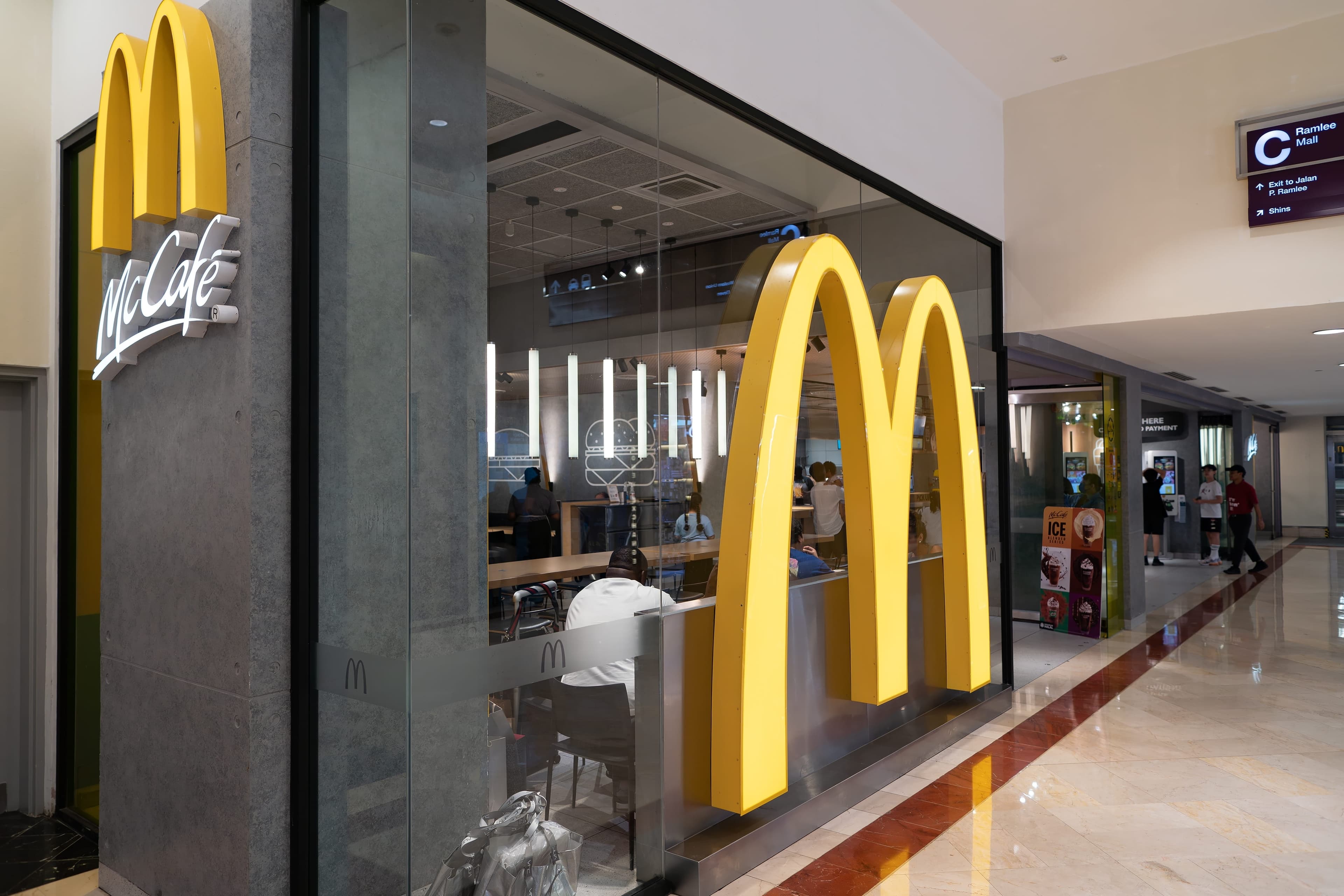
Many people across the United Kingdom search for quick relief when dealing with a migraine, especially during episodes of severe head pain, nausea and other neurological symptoms. One recent viral discussion on TikTok and other social media trends is the so-called “McMigraine meal”, which usually involves McDonald's French fries and a Coca-Cola.
Some people claim this combination can ease migraine symptoms quickly, particularly among the estimated 10 million migraine sufferers in the UK. This article explains what the McMigraine hack is, why some people believe it works and what UK medical guidance says about using caffeine, salt and sugary drinks for migraine relief.
In One Sentence:
The “McMigraine meal” may temporarily ease migraine symptoms in some people because of its caffeine, salt and sugar content, but it is not a medically recommended long-term treatment for migraines.
Key Takeaways
Does processed food help with a migraine?
Some migraine sufferers report temporary relief after consuming caffeine, sodium and sugar through fizzy drinks and highly processed foods.
Does caffeine help improve headaches?
Caffeine may narrow blood vessels and improve the effectiveness of certain pain relief medicines, although too much can worsen headaches.
What affects migraine symptoms?
Changes in hydration levels and electrolyte balance may play a role in migraine symptoms for some people.
What do experts recommend?
The NHS and neurologists recommend identifying personal migraine triggers rather than relying on fast food remedies.
Does caffeine increase the risk of migraines?
Frequent use of caffeine-heavy remedies may increase the risk of rebound headaches and chronic migraine symptoms.
What is the McMigraine hack?
The McMigraine hack refers to eating McDonald's French fries and drinking a Coca-Cola to try to reduce migraine symptoms.
The trend became popular on TikTok and other social media platforms after users shared stories claiming that a large Coke and salty fries helped reduce migraine attacks. The combination is usually chosen because it contains caffeine, sodium, sugar and carbohydrates, which some people believe may help with migraine-related neurological symptoms.
“Although many UK adults have discussed the trend online, there is limited scientific evidence showing that the 'McMigraine meal' itself is an effective migraine treatment.”
Does it work?
The McMigraine hack may provide short-term relief for some people, but it does not treat the underlying cause of migraines.
Migraines affect people differently, which means a remedy that helps one person may not work for another. Some people may notice symptom improvement because of the caffeine content in Coca-Cola, while others may benefit from the salt and carbohydrates after long periods without food or fluids.
However, healthcare professionals generally caution against relying on highly processed foods and fizzy drinks as a regular migraine treatment.
Is it recommended by doctors?
Doctors do not usually recommend the McMigraine meal as a medically approved migraine treatment.
Most neurologists and headache specialists encourage patients to focus on evidence-based migraine management, including identifying triggers, maintaining hydration and using appropriate medications when necessary.
While certain ingredients in the meal may temporarily improve symptoms in some people, healthcare professionals do not consider fast food a substitute for proper migraine care.

Why do McDonald's fries and a Coke help a migraine?
Some migraine sufferers may feel temporary relief because the meal contains caffeine, salt, sugar and carbohydrates that can affect the body during a migraine attack.
Migraine attacks can involve changes in blood vessels, hydration levels and brain energy use. The ingredients found in Coca-Cola and French fries may interact with these processes in ways that provide temporary symptom relief for certain individuals.
Fast Food Component | Active Entity | Biological Action | Migraine Relief Benefit |
| Coca-Cola | Caffeine | Vasoconstriction | Narrows swollen brain blood vessels, reducing throbbing pain. |
| French Fries | Sodium Chloride (Salt) | Fluid retention | Restores hydration and balances dropping electrolyte levels. |
| Potato & Syrup | Glucose (Carbohydrates) | Blood sugar stabilisation | Provides rapid energy to the brain to correct sudden glucose drops. |
The Role of Caffeine
Caffeine may help migraines by narrowing blood vessels and improving the absorption of pain relief medication.
Research suggests that caffeine can contribute to vasoconstriction, which means narrowing widened blood vessels that may be linked with migraine symptoms [1]. Caffeine can also influence the blood-brain barrier and may improve how certain analgesics work. This is why caffeine is included in some over-the-counter medication products sold in UK pharmacies alongside ibuprofen or paracetamol.
However, caffeine does not work equally for everyone, and excessive intake can increase the risk of headaches over time.
The Role of Salt and Hydration
Salt and fluid intake may affect hydration and electrolyte balance during a migraine attack.
Some migraine sufferers experience dehydration or electrolyte imbalance during the prodrome phase, which is the stage before a migraine fully develops [2]. French fries contain high amounts of sodium chloride, commonly known as salt, which may temporarily support fluid retention and sodium absorption in certain cases.
Electrolytes are important for normal nerve and muscle function, which may partly explain why some people report feeling better after consuming salty foods during a migraine.
Blood Sugar Stabilisation
Fast-acting carbohydrates and sugar may temporarily increase energy levels during a migraine.
Some migraine attacks may be linked with reduced food intake or hypoglycaemia (low blood sugar). Fried potato starch, sugary syrups and glucose from fizzy drinks can quickly raise blood glucose levels, which may help improve feelings of weakness or fatigue [3].
“The brain relies heavily on energy from glucose, so restoring blood sugar levels may reduce some symptoms in certain people. However, regularly relying on sugary fast food is not considered beneficial for long-term neurological health.”
What do UK neurologists and the NHS say?
The NHS and UK migraine experts recommend medically approved migraine management rather than relying on viral food trends.
The NHS advises migraine sufferers to identify triggers, stay hydrated, maintain regular sleep patterns and use suitable medication when needed [4].
Organisations such as The Migraine Trust also highlight the importance of professional diagnosis for ongoing migraine symptoms. UK neuroscientists and neurologists continue to study how diet, caffeine and inflammation influence migraine activity.
Experts such as Professor Amanda Ellison from Durham University have discussed how the brain responds to caffeine and comfort foods during periods of stress or pain.
However, specialists also warn that highly processed foods may contribute to systemic inflammation in some people. Frequent use of caffeine-based remedies may increase the risk of medication-overuse headaches, chronic headache conditions and rebound attacks.
Some people may also experience caffeine withdrawal symptoms if their intake changes suddenly, which creates a “caffeine paradox” where caffeine can both help and trigger headaches depending on the situation.
Caffeine Warning
Too much caffeine can worsen headaches and may contribute to dependency-related migraine symptoms.
While moderate caffeine intake may support short-term relief for some migraine sufferers, excessive use can increase headache frequency. Regularly consuming large amounts of fizzy drinks, energy drinks, or strong coffee may increase the likelihood of rebound headaches or withdrawal symptoms.
People with frequent migraines should speak with a GP, neurologist or pharmacist about safer long-term management options.
Healthier UK-Based Alternatives to the "McMigraine Meal"
Healthier alternatives may provide similar benefits without relying on highly processed fast food.
Some migraine sufferers may benefit from nutrient-dense foods and drinks that support balanced nutrition and neurological health. For caffeine intake, black filter coffee or English breakfast tea may provide a more controlled amount of caffeine than large fizzy drinks. Hydration products such as Lucozade Sport, Gatorade or O.R.S Hydration Tablets may help support electrolyte balance during dehydration.
For food, wholemeal toast with Marmite can provide sodium and complex carbohydrates, while a whole banana may support energy levels through natural sugars and potassium. Choosing balanced meals and maintaining regular hydration may help reduce migraine triggers more effectively than depending on fast food remedies.
Frequently Asked Questions
Can a regular Coke stop a migraine?
A regular Coca-Cola may temporarily reduce migraine symptoms in some people because it contains caffeine and sugar.
The caffeine in regular Coca-Cola may help narrow blood vessels and improve the effects of pain relief medicines such as ibuprofen. The sugar content may also help people experiencing low energy or reduced blood glucose levels during a migraine attack.
“Coca-Cola is not considered a medically approved migraine treatment and should not replace professional medical advice.”
Why do I crave salt during a migraine?
Salt cravings during a migraine may be linked with dehydration or changes during the prodrome phase.
Some people experience cravings before or during migraine attacks because the body is responding to changes in hydration, electrolyte levels or appetite regulation. Craving salty foods does not always mean the body needs salt, but it may explain why some individuals seek foods such as French fries during migraine episodes.
How much caffeine should a migraine sufferer have a day?
Many experts recommend limiting caffeine intake to around 200mg daily for people prone to migraines.
The Migraine Trust explains that moderate and consistent caffeine intake is usually preferable to large fluctuations in daily consumption [5]. Around 200mg of caffeine is roughly equal to two mugs of instant coffee. Consuming significantly more than this may increase the risk of caffeine withdrawal headaches or rebound migraine symptoms in some people.
Final Thoughts From Our Superintendent Pharmacist
“The McMigraine trend highlights how caffeine, salt and sugar may temporarily influence migraine symptoms in certain individuals, but it should not replace a medically approved treatment plan. Migraine management is highly individual, and frequent headaches should always be assessed by a GP, pharmacist or medical prescriber. Pharmacy-grade analgesics and other evidence-based treatments may be more appropriate depending on the patient’s symptoms, triggers and medical history. While caffeine can have vasoconstricting effects that help some people, overuse may worsen headaches over time.”
Sources
[1] Caffeine and Primary (Migraine) Headaches-Friend or Foe? - PubMed
[2] Sodium Chloride, Migraine and Salt Withdrawal: Controversy and Insights - PubMed
[4] Migraine - NHS
About the author
Blog author


Dayna Sheppard
Dayna is a pharmacy manager with over 15 years of pharmacy experience. She is focused on delivering a safe and excellent pharmacy service for patients.


