
Chronic Conditions
How to Reduce Blood Pressure: Evidence-Based Lifestyle and Medical Steps


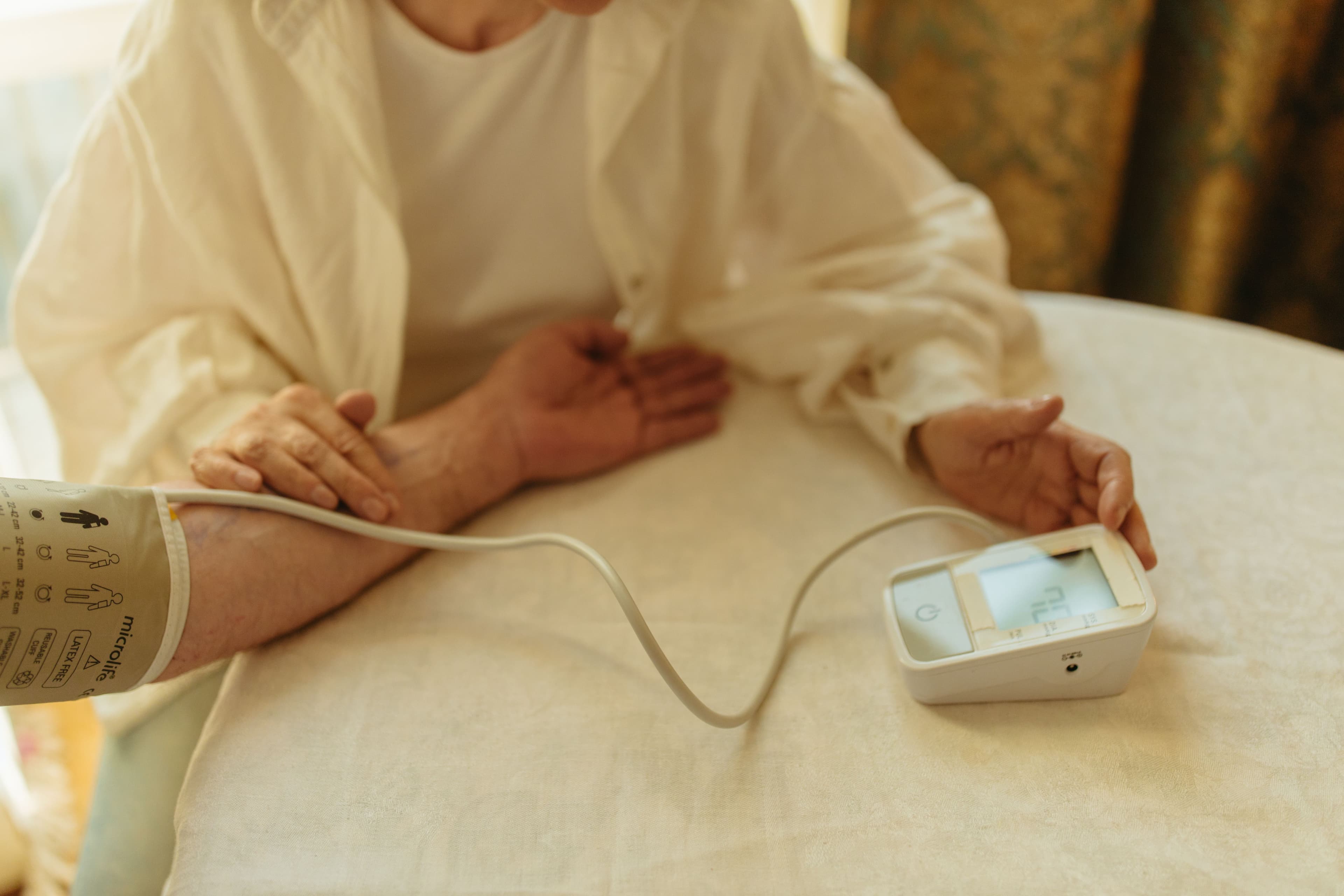
High blood pressure, also known as hypertension, is a common condition that affects the cardiovascular system and can increase the risk of serious health problems if left unmanaged. Blood pressure is measured in millimetres of mercury (mm Hg) and reflects the force of blood pushing against the walls of the arteries.
This article explains evidence-based ways to reduce blood pressure through dietary changes, physical activity, lifestyle improvements and medical treatment where appropriate. It also outlines how UK-registered clinical services can support patients, with guidance reviewed in line with professional standards.
In One Sentence:
Yes, blood pressure can often be reduced through a combination of healthy lifestyle changes, regular monitoring and prescription treatment when clinically required.
Key Takeaways
How much salt should I consume daily?
Adults should aim to stay within the recommended 6g limit of salt per day to help manage blood pressure.
What is the quickest way to lower my readings naturally?
Regular aerobic exercise, reducing salt intake and maintaining a healthy weight are among the most effective evidence-based approaches.
When should I seek medical treatment?
Consistent readings at or above 140/90 mm Hg should be discussed with a healthcare professional.
What are the effects of high blood pressure?
High systolic numbers and elevated diastolic numbers can place extra strain on blood vessels and may contribute to fluid buildup and cardiovascular complications.
When would medications be prescribed?
Prescription medications such as Ramipril and Amlodipine may be recommended when lifestyle measures alone do not adequately control blood pressure.
What dietary adjustments help reduce blood pressure in the UK?
Making targeted dietary changes can help lower blood pressure and support long-term cardiovascular health.
Food choices directly influence blood pressure by affecting blood vessel function, fluid balance and overall cardiovascular health. A balanced diet rich in vegetables, fruit, whole grains and lean sources of protein can help reduce the risk of hypertension.
“Limiting highly processed foods and excess salt is particularly important. Small but consistent dietary improvements can contribute to measurable reductions in blood pressure over time.”
How does reducing salt and the DASH diet lower blood pressure?
Reducing salt intake and following the DASH diet can lower blood pressure by reducing excess fluid retention and supporting healthier blood vessels.
The NHS recommends that adults consume no more than the 6g daily limit of salt each day [1]. Salt contains sodium, which encourages the body to retain water. This increases blood volume, placing additional pressure on artery walls. Processed foods are often significant sources of hidden sodium, making it important to check food labels where possible.
The Dietary Approaches to Stop Hypertension (DASH) eating pattern focuses on fresh vegetables, lean proteins and whole grains while limiting foods that are high in salt, sugar and saturated fat. This approach has been associated with improvements in blood pressure control and overall cardiovascular health. Following NHS dietary guidance can help many people make practical and sustainable changes.

Why is potassium important for vascular dilation?
Potassium supports healthy blood pressure by helping blood vessels relax and promoting sodium balance.
Potassium plays an important role in vascular dilation, the widening of blood vessels. When blood vessels are more relaxed, blood flow improves, and arterial tension can decrease. Potassium also helps the kidneys remove excess sodium through urine, further supporting healthy blood pressure regulation.
Good dietary sources of potassium include:
Spinach
Jacket potatoes
Bananas
Mackerel
Increasing intake through food rather than supplements is generally preferred unless advised otherwise by a healthcare professional. Improvements in dietary potassium intake may contribute to modest reductions in blood pressure measured in millimetres of mercury (mm Hg).
What is the best physical activity to lower blood pressure?
Regular physical activity is one of the most effective non-medication strategies for reducing blood pressure.
Exercise strengthens the cardiovascular system and helps improve the efficiency of the heart and blood vessels. It can also support weight management, stress reduction and better overall health, all of which contribute to healthier blood pressure levels.
Exercise Type | Recommended Frequency | Average Systolic Reduction | |||
| Aerobic Activity (Brisk walking, cycling) | 30 mins, 5 days a week | 5 to 8 mm Hg | |||
| Resistance Training (Free weights, bands) | 2 days a week | 4 to 5 mm Hg | |||
| Isometric Exercises (Planks, wall sits) | 3 times a week | 8 to 10 mm Hg |
What are the recommended aerobic and isometric exercise targets?
Adults should aim for at least 150 minutes of moderate aerobic exercise each week alongside muscle-strengthening activities.
According to guidance from the National Institute for Health and Care Excellence (NICE), regular physical activity should form part of blood pressure management. A target of 150 minutes of moderate aerobic exercise weekly is widely recommended [2].
Examples include brisk walking and cycling, which help strengthen the heart muscle and improve circulation. Resistance training using free weights can also contribute to cardiovascular health when performed appropriately.
Isometric exercises such as planks and wall sits have been associated with reductions in systolic pressure in some individuals. Combining aerobic exercise, resistance training and isometric exercises may provide the greatest overall benefit for blood pressure management.
Exercise Type | Recommended Frequency | Average Systolic Reduction |
| Aerobic Activity (Brisk walking, cycling) | 30 mins, 5 days a week | 5 to 8 mm Hg |
| Resistance Training (Free weights, bands) | 2 days a week | 4 to 5 mm Hg |
| Isometric Exercises (Planks, wall sits) | 3 times a week | 8 to 10 mm Hg |
How do alcohol units and smoking affect blood pressure?
Both alcohol consumption and smoking can contribute to higher blood pressure and increased cardiovascular risk.
“Lifestyle factors can have a significant impact on blood pressure control. Understanding how alcohol and tobacco affect the body can help individuals make informed decisions about their health.”
How does tracking alcohol units impact vascular health?
Keeping alcohol intake within recommended limits may help support healthier blood pressure levels.
The UK Chief Medical Officers advise that adults should not regularly exceed 14 units per week. Consuming alcohol above this level can negatively affect vascular health and contribute to sustained hypertension.
Binge drinking is particularly problematic because it can cause sudden increases in blood pressure and may increase the long-term risk of cardiovascular disease. Monitoring alcohol units and reducing intake where necessary can form an important part of a comprehensive blood pressure management plan.
How does nicotine damage blood vessels?
Nicotine raises blood pressure by causing blood vessels to narrow and increasing strain on the cardiovascular system.
Nicotine causes arterial narrowing, which makes it more difficult for blood to flow efficiently through the body. It can also increase heart rate and place additional stress on arterial walls.
Over time, exposure to tobacco can contribute to the development of fatty plaques within arteries, increasing the risk of cardiovascular disease. Quitting smoking is one of the most beneficial steps a person can take for both blood pressure management and overall health.
What medical interventions are available when lifestyle changes are not enough?
Prescription treatment may be required when lifestyle changes alone do not adequately control blood pressure.
Several factors influence blood pressure, including genetics, age and underlying health conditions. Some individuals develop severe hypertension despite making healthy lifestyle choices.
Common medication classes used in treatment include:
ACE inhibitors (For example, Ramipril and Lisinopril)
Calcium channel blockers (For example, Amlodipine)
Angiotensin-II receptor blockers (ARBs) (For example, Losartan)
Mail My Meds can support patients through our online clinical consultation process, helping facilitate appropriate high blood pressure treatment selection where clinically suitable. Ongoing prescription management can also help patients maintain consistent access to prescribed medicines while remaining under appropriate clinical supervision.
Medication Class | Common UK Brand/Drug | Biological Mechanism | Primary Clinical Effect | ||||
| ACE Inhibitors | Ramipril, Lisinopril | Relaxes and widens blood vessels. | Reduces the effort required for the heart to pump blood around the body. | ||||
| Calcium Channel Blockers | Amlodipine | Prevents calcium from entering the muscle cells of the heart and arteries. | Allows arteries to widen and lowers overall blood pressure. | ||||
| ARBs (Angiotensin-II Receptor Blockers) | Losartan | Blocks the action of hormones that naturally constrict blood vessels. | Keeps blood vessels relaxed and prevents pressure spikes. |
How do you understand your UK blood pressure readings?
Understanding blood pressure readings can help identify when monitoring, lifestyle changes or medical intervention may be required.
Blood pressure readings are recorded in millimetres of mercury (mm Hg) and include two numbers. The systolic pressure measures the force exerted when the heart pumps blood, while the diastolic pressure measures pressure between heartbeats. Monitoring both values helps assess cardiovascular risk [3].
Ideal Blood Pressure
An ideal blood pressure reading is generally around 120/80 mm Hg.
Readings near this level are associated with a lower risk of cardiovascular complications. Maintaining healthy lifestyle habits can help support blood pressure within this range.
High Blood Pressure (Hypertension)
Hypertension is generally diagnosed when blood pressure readings remain consistently elevated.
In the UK, hypertension is commonly defined as clinic readings of 140/90 mm Hg or higher, or home readings of 135/85 mm Hg or higher. Persistent elevations increase cardiovascular risk and may require medical assessment.
Hypertensive Crisis
A hypertensive crisis is a medical emergency that requires urgent assessment.
Blood pressure readings of 180/120 mm Hg or higher may indicate a hypertensive crisis, particularly if accompanied by symptoms such as chest pain or shortness of breath. People experiencing these symptoms should seek immediate medical assistance by calling 999 or going to A&E.
Frequently Asked Questions
How can I lower my blood pressure instantly in an emergency?
A hypertensive crisis requires urgent medical attention rather than home treatment.
An acute blood pressure spike reaching 180/120 mm Hg or above may increase the risk of stroke, heart attack and other serious complications. If a hypertensive crisis is suspected, emergency medical attention should be sought immediately by contacting 999 or visiting A&E.
Can drinking water reduce blood pressure quickly?
Drinking water may support normal body function, but it is not an immediate treatment for high blood pressure.
Hydration helps the body regulate fluid balance and may influence hormones such as vasopressin, which affects blood vessels and blood volume. While maintaining adequate hydration is important for overall health, it should not be relied upon as a rapid method for lowering significantly elevated blood pressure.
How long does it take for lifestyle changes to lower blood pressure?
Many people begin to see improvements within weeks, although individual results vary.
Dietary modifications, exercise modifications and regular clinical check-ups can all contribute to gradual reductions in blood pressure. The timeframe depends on factors such as starting blood pressure, overall health and consistency with lifestyle changes.
Final Thoughts From Our Superintendent Pharmacist
"High blood pressure, also known as hypertension, often responds well to a combination of lifestyle improvements and appropriate medical treatment where needed. Changes such as following a DASH diet, monitoring alcohol units and staying physically active can make a meaningful difference. For some people, genetics means medication such as Amlodipine or Ramipril is also necessary. The most effective approach is one that combines evidence-based treatment with ongoing clinical support tailored to the individual."
Sources
[2] Hypertension in adults: diagnosis and management | Guidance | NICE
[3] High blood pressure (Hypertension) - causes and symptoms - BHF
About the author
Blog author


Dayna Sheppard
Dayna is a pharmacy manager with over 15 years of pharmacy experience. She is focused on delivering a safe and excellent pharmacy service for patients.


