
Free delivery on all NHS prescriptions — order now
- Home
- General Health
- Acid Reflux
- Esomeprazole
Esomeprazole

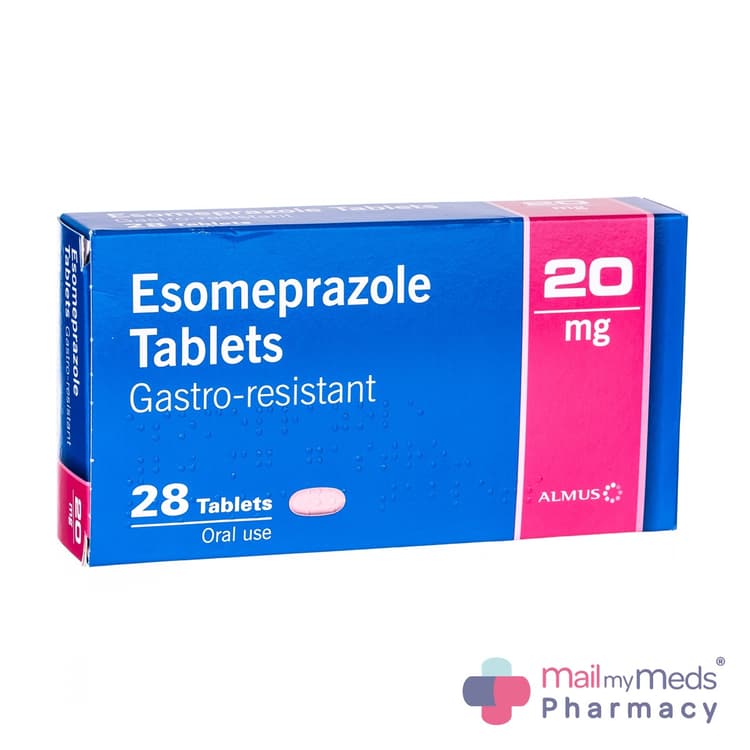


Images for illustrative purposes only
Esomeprazole is a high-strength proton pump inhibitor (PPI) used to treat gastro-oesophageal reflux disease (GERD) and stomach ulcers by effectively reducing the production of gastric acid.
- Clinically proven to reduce painful heartburn and acid regurgitation symptoms
- Provides more consistent acid suppression than standard omeprazole
- Available as gastro-resistant tablets to suit both maintenance and intensive treatment plans
- Fulfilled by our UK-registered pharmacy following a discreet online consultation
More information
"Esomeprazole is a highly effective medication typically prescribed for chronic acid reflux, also known as gastro-oesophageal reflux disease (GERD), and the healing of erosive esophagitis. It is also frequently used to prevent and treat stomach ulcers, particularly those associated with long-term NSAID use or H. pylori infections. As a more potent S-isomer of omeprazole, it offers superior gastric pH control for patients who require a robust approach to managing hyperacidity."
— Rachael Clarke MRCPharm MFRPSI FRSPH (GPHC Number: 2061366)
You can buy Esomeprazole online through Mail My Meds by completing a short, confidential clinical assessment to ensure the medication is safe for you. Once your consultation is reviewed and approved by a UK-registered prescriber, your medication is dispensed and shipped directly from our registered pharmacy (GPHC Number: 9011560) in discreet, plain packaging.
Our pricing for Esomeprazole is competitive and transparent, covering both the cost of the medication and the clinical review. Prices vary depending on the specific dosage and the quantity required for your treatment plan.
We offer flexible delivery options across the UK, including tracked services for your convenience. Orders approved before our daily cut-off time are usually dispatched the same working day, ensuring your treatment for acid reflux arrives promptly at your preferred address.
Esomeprazole is a type of medicine called a proton pump inhibitor (PPI) used primarily to treat conditions caused by excess stomach acid. It is the first-line treatment for gastro-oesophageal reflux disease (GERD), a condition where stomach acid frequently flows back into the tube connecting your mouth and stomach (oesophagus), causing irritation and inflammation.
The active ingredient in this medication is esomeprazole magnesium trihydrate (available in 20mg and 40mg strengths). This compound is the S-enantiomer of omeprazole, which has been pharmacologically refined to allow more of the drug to reach the bloodstream, resulting in more effective acid inhibition.
Most users report significant relief from heartburn and indigestion within the first 48 hours of starting treatment. According to clinical studies, patients often find esomeprazole more effective for rapid symptom resolution compared to older PPIs like lansoprazole or pantoprazole.
Every order of Esomeprazole includes an official Patient Information Leaflet (PIL) which contains vital safety data. You should read the PIL thoroughly before starting your first dose to understand the full list of ingredients, specific contraindications, and potential interactions with other medications.
Esomeprazole works by binding to and inhibiting the "proton pumps" found in the parietal cells of the stomach lining. By blocking these pumps, the medication directly reduces the amount of hydrochloric acid produced, allowing the oesophagus and stomach lining to heal from acid-related damage.
It is best to take Esomeprazole once a day, ideally in the morning on an empty stomach or at least one hour before a meal. You should swallow the tablets whole with a glass of water. Do not crush or chew them, as they have a gastro-resistant coating designed to protect the medicine from stomach acid until it reaches your intestines.
The standard dosage for symptomatic GERD is 20mg once daily, while more severe cases of erosive esophagitis may require 40mg daily for 4 to 8 weeks. Your prescriber will determine the correct dose based on the severity of your symptoms and your medical history.
Common side effects of Esomeprazole affect roughly 1 in 100 people and are generally mild and temporary. These may include:
- Headaches
- Diarrhoea or constipation
- Nausea and stomach pain
- Flatulence (wind)
- Dry mouth
Long-term use of PPIs (more than one year) may be associated with an increased risk of bone fractures, vitamin B12 deficiency, and low magnesium levels. You should inform your doctor if you have severe liver problems, osteoporosis, or if you are taking medications like atazanavir, clopidogrel, or methotrexate.
Esomeprazole is often considered more potent than omeprazole because it is metabolised more slowly by the liver, staying in your system longer. Below is a brief comparison of common PPIs:
| Medication | Standard Dose | Main Advantage |
|---|---|---|
| Esomeprazole | 20mg / 40mg | Superior acid control and faster symptom relief. |
| Omeprazole | 20mg | Cost-effective and widely used for mild reflux. |
| Lansoprazole | 15mg / 30mg | Effective alternative if other PPIs cause side effects. |
How long does esomeprazole take to work?
Most patients start to feel an improvement in their symptoms within 1 to 3 days, although it can take up to 4 weeks for the medication to reach its full effect. If your symptoms do not improve after 2 weeks of treatment, you should consult your doctor or pharmacist.
Can I take esomeprazole and buscopan together?
Yes, you can generally take esomeprazole and Buscopan together as they work in different ways to treat separate issues (acid reflux vs. bowel cramps). There are no known direct interactions between these two medicines, but always inform your prescriber of all treatments you are using.
Does esomeprazole cause weight gain?
Weight gain is not a common side effect of esomeprazole. However, some patients may find they eat more comfortably once their painful heartburn symptoms are resolved. If you notice significant, unexplained weight changes, you should discuss this with a healthcare professional.
Does esomeprazole cause dementia?
Recent high-quality reviews have indicated that there is no proven causal link between PPI use and dementia risk. While some observational studies suggested a correlation, subsequent evidence has not supported a direct connection.
The information provided on this page is for general informational purposes only and must not replace seeking professional medical advice, diagnosis, or treatment from a qualified healthcare professional. Always consult your GP or a registered pharmacist regarding your specific health condition and before starting any new medication.
At Mail My Meds, our clinical content is regularly reviewed and updated by our team of medical experts and registered pharmacists to ensure it remains accurate, evidence-based, and in line with current UK healthcare standards, including the latest BNF and NICE guidelines.


