
Free delivery on all NHS prescriptions — order now
- Home
- General Health
- Acid Reflux
- Omeprazole
Omeprazole

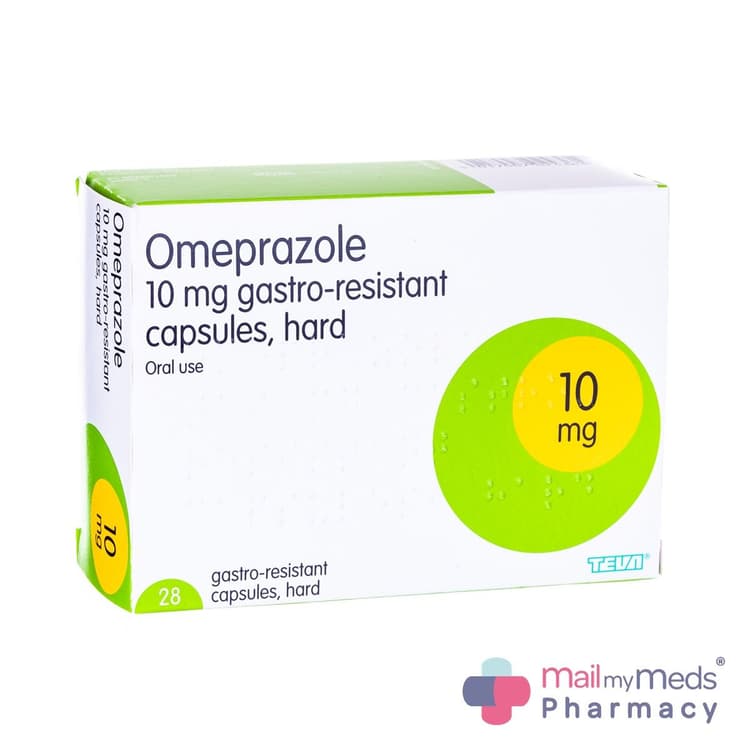


Images for illustrative purposes only
Omeprazole is a highly effective proton pump inhibitor (PPI) containing the active ingredient omeprazole, specifically formulated to provide long-lasting relief from acid reflux, heartburn and GORD by reducing excess stomach acid production.
- Available in multiple gastro-resistant strengths
- Clinically proven to treat gastric ulcers and duodenal ulcers
- Provides 24-hour protection with a once-daily oral dose
- Suitable for NHS repeat prescriptions and private online consultations
More information
Omeprazole is a cornerstone treatment in gastroenterology, primarily prescribed to manage gastro-oesophageal reflux disease (GORD), prevent NSAID-associated ulcers and eradicate Helicobacter pylori infections. It works by targeting the acid-producing pumps in the stomach lining, providing a reliable solution for patients suffering from persistent indigestion and dyspepsia.
- Rachael Clarke MRCPharm MFRPSI FRSPH (GPHC Number: 2061366)
You can buy Omeprazole safely through our streamlined online consultation process, where a UK-registered prescriber reviews your medical history to ensure the treatment is clinically appropriate for you. Once your consultation is approved, your medication is dispensed and shipped directly from our registered pharmacy (GPHC Number: 9011560) in discreet packaging to maintain your privacy.
The price of Omeprazole varies based on the quantity and strength required for your specific treatment plan, with significant savings available on larger pack sizes for long-term management of acid reflux.
We offer multiple delivery options to suit your needs. Most orders approved before our daily cut-off time are dispatched the same day, with free delivery available on qualifying orders over a certain threshold.
Omeprazole is a proton pump inhibitor (PPI) used to treat conditions caused by excessive stomach acid, such as heartburn, acid regurgitation and Zollinger-Ellison syndrome. According to NHS guidelines, it is also a primary treatment for healing stomach ulcers and protecting the gut while taking anti-inflammatory medications. This medication is essential for preventing damage to the oesophagus caused by recurring acid exposure.
The active ingredient in this medication is omeprazole, which is present in each gastro-resistant capsule or tablet. Depending on the manufacturer, inactive ingredients may include lactose, sodium lauryl sulfate and hypromellose. Please refer to the Patient Information Leaflet for a full list of excipients if you have known allergies.
Most user experiences with Omeprazole are positive, with patients reporting significant relief from burning sensations in the chest and throat within the first few days of use. While some users mention minor initial side effects like headaches, the vast majority find it a life-changing treatment for chronic indigestion and reflux symptoms.
The Patient Information Leaflet (PIL) is included in every box of medication and provides comprehensive details on dosage, contraindications, and storage instructions. You can also access digital versions of the leaflet on the electronic Medicines Compendium (eMC) website to review safety information before starting your treatment.
Omeprazole works by inhibiting the H+/K+ ATPase enzyme system, commonly known as the proton pump, found within the parietal cells of the stomach wall. By blocking the final stage of acid production, it effectively lowers the acidity of gastric juices, allowing the oesophageal lining and ulcers to heal without further irritation.
You should take Omeprazole exactly as directed by your prescriber, usually once daily in the morning at least 30 to 60 minutes before food. The capsules should be swallowed whole with a glass of water; do not crush or chew them, as this destroys the gastro-resistant coating required for the medication to reach your intestines effectively.
The dosage of Omeprazole typically ranges from 10mg to 40mg per day depending on the severity of the acid reflux or ulcer being treated.
- Heartburn/Reflux: Usually 20mg once daily for 4 weeks.
- Ulcer Healing: 20mg to 40mg once daily depending on response.
- H. pylori Eradication: 20mg twice daily combined with specific antibiotics.
The maximum dose in a 24-hour period should not exceed the amount prescribed by your doctor, which can be up to 120mg in rare conditions like Zollinger-Ellison syndrome.
Side effects of Omeprazole are generally mild and include headaches, diarrhoea, constipation, and nausea. While rare, more serious risks include low magnesium levels (hypomagnesaemia) or an increased risk of bone fractures with long-term use. You should consult a medical professional immediately if you experience a severe skin rash, joint pain, or symptoms of an allergic reaction.
An NHS warning advises that long-term use of Omeprazole should be regularly reviewed by a doctor, especially regarding its potential link to Vitamin B12 deficiency and kidney problems. If you are pregnant or breastfeeding, Omeprazole is often the preferred PPI, but you must consult your GP or midwife before use. Recent studies have investigated links to dementia, but current NICE evidence does not confirm a direct causal relationship, however, patients should always use the lowest effective dose for the shortest duration.
When comparing Omeprazole vs Lansoprazole or Esomeprazole, all belong to the same PPI class but differ slightly in their chemical structure and metabolic rate.
| Medication | Class | Typical Strength | Speed of Action |
|---|---|---|---|
| Omeprazole | PPI | 10mg / 20mg / 40mg | 1-3 Days |
| Lansoprazole | PPI | 15mg / 30mg | 1-3 Days |
| Esomeprazole | PPI | 20mg / 40mg | Often faster (1-2 days) |
While antacids provide immediate, short-term relief, Omeprazole offers superior long-term control of stomach acid.
Can I buy Omeprazole over the counter?
Yes, you can buy low-strength Omeprazole 10mg over the counter for short-term relief, but higher strengths and larger quantities require a prescription.
How long does it take for Omeprazole to work?
Most patients start to feel relief from heartburn within 2 to 3 days, although it may take up to 4 weeks of consistent use for the medication to reach its full acid-suppressing effect.
Can you take Gaviscon with Omeprazole?
Yes, you can take Gaviscon or other antacids alongside Omeprazole if you need immediate relief while waiting for the medication to take effect, but try to space them apart by at least two hours if possible.
Does Omeprazole cause weight gain?
Weight gain is not a common side effect listed by the BNF or NHS. If you notice significant weight changes while taking this medication, you should discuss this with your doctor as it may be related to changes in your diet or an underlying condition.
The information provided on this page is for general informational purposes only and is not a substitute for professional medical advice, diagnosis, or treatment. Always seek the advice of your physician or other qualified health provider with any questions you may have regarding a medical condition.
Our clinical content is regularly reviewed by our team of medical experts and registered pharmacists to ensure all information regarding Omeprazole is up to date, accurate, and follows the latest UK clinical guidelines.


