
Free delivery on all NHS prescriptions — order now
- Home
- General Health
- Acid Reflux
- Pantoprazole
Pantoprazole

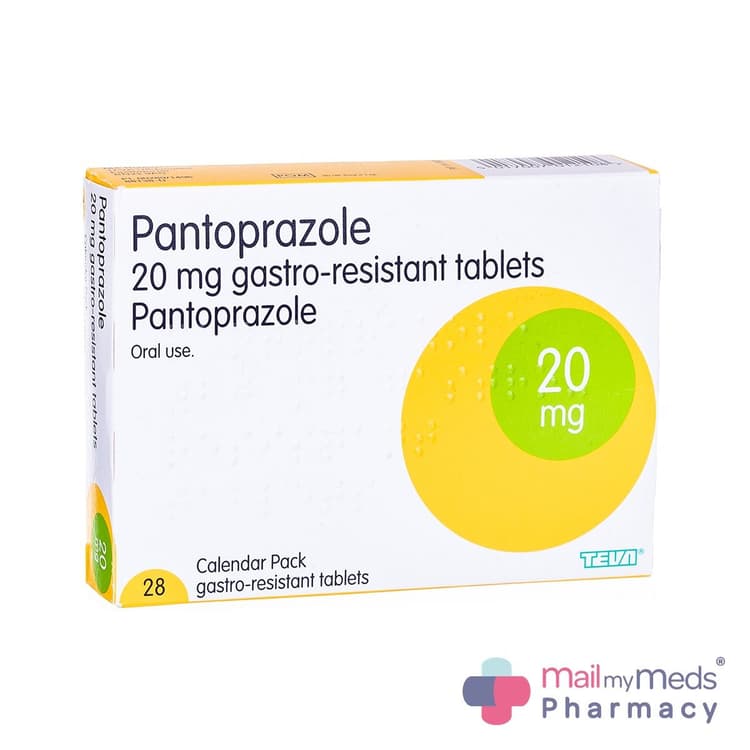


Images for illustrative purposes only
Pantoprazole is a highly effective proton pump inhibitor (PPI) used to treat acid-related conditions like gastro-oesophageal reflux disease (GORD) and stomach ulcers by reducing the amount of acid your stomach produces.
- Reduces stomach acid production to alleviate heartburn and indigestion symptoms
- Contains the active ingredient Pantoprazole sodium for targeted gastric relief
- Fully regulated service ensuring safe, authentic medication for NHS and private patients
- Complete a quick online health check with a registered prescriber for home delivery
More information
"Pantoprazole is a clinically proven treatment typically prescribed for patients suffering from acid reflux, GORD and the prevention of stomach ulcers, especially those caused by long-term anti-inflammatory use. It works by specifically inhibiting the acid pumps in your stomach lining, providing sustained relief from painful symptoms like heartburn and acid regurgitation." - Rachael Clarke MRCPharm MFRPSI FRSPH (GPHC Number: 2061366)
You can buy Pantoprazole safely through Mail My Meds by completing a short online consultation that is reviewed by a registered prescriber to ensure the treatment is right for you. Once your consultation is approved, your medication is shipped discreetly from our registered pharmacy (GPHC Number: 9011560) directly to your preferred UK address.
The cost of Pantoprazole depends on the strength and quantity required for your specific course of treatment as determined during your consultation. We aim to provide competitive pricing for both private prescriptions and NHS repeat prescription services for patients across the UK.
We offer various delivery methods to ensure you receive your treatment promptly and securely, with all packages sent in discreet packaging to maintain your privacy. You can track your order from our pharmacy to your doorstep once the prescriber has authorised your request.
Pantoprazole is a type of medicine known as a proton pump inhibitor (PPI) that is primarily used to treat health conditions associated with excess stomach acid. It is commonly used for the short-term treatment of reflux symptoms and the long-term management of oesophagitis or Zollinger-Ellison syndrome.
The active ingredient in this medication is Pantoprazole (present as Pantoprazole sodium sesquihydrate), which acts directly on the gastric parietal cells. By targeting these specific cells, the medication effectively shuts down the mechanism that releases acid into the stomach environment.
Most users find that their symptoms, such as heartburn or acid regurgitation, begin to improve within two to three days of starting the treatment. While individual results vary, many patients report significant relief from chronic discomfort after a full two-week course of the medication.
A Patient Information Leaflet (PIL) is included with every order, providing comprehensive details on how to take the medication safely and what to watch out for. You should read this leaflet thoroughly before starting your treatment to understand the specific guidance for your prescribed dose.
This treatment works by blocking the "proton pumps" in the stomach lining that are responsible for secreting gastric acid into the stomach. By reducing the overall acidity, it allows the oesophagus to heal and prevents the painful burning sensation associated with acid reflux and indigestion.
You should take this medication exactly as directed by your healthcare professional, usually swallowing the tablet whole with a drink of water. It is best to take your dose approximately one hour before a meal to ensure the medicine is most effective at controlling acid production.
The usual dosage for adults is either 20mg or 40mg once daily, depending on the severity of the condition being treated. For most patients with simple acid reflux, a 20mg daily dose is sufficient, whereas more complex conditions like stomach ulcers may require a higher dose.
Like all medicines, Pantoprazole can cause side effects, although not everyone gets them and they are often mild and temporary. Common side effects may include:
- Headaches
- Diarrhoea or constipation
- Nausea or vomiting
- Stomach pain or flatulence
- Dry mouth or dizziness
Before taking this medication, you must inform your prescriber if you have severe liver problems, low vitamin B12 levels or are taking medicines like HIV treatments or blood thinners. Long-term use of PPIs may be linked to an increased risk of bone fractures or low magnesium levels, so regular monitoring is advised for extended treatments.
Pantoprazole is often compared to other PPIs like Omeprazole or Lansoprazole, offering similar efficacy in reducing stomach acid but with a different drug interaction profile. It is frequently chosen for patients who may be taking other medications, as it often has fewer interactions than some alternative treatments.
| Feature | Pantoprazole | Omeprazole |
|---|---|---|
| Drug Class | Proton Pump Inhibitor | Proton Pump Inhibitor |
| Standard Strength | 20mg / 40mg | 10mg / 20mg / 40mg |
| Interaction Risk | Lower for some drugs | Standard |
Can I take Pantoprazole while pregnant?
You should consult your doctor before using this medication if you are pregnant or breastfeeding, as alternative treatments are often preferred during this time. Your prescriber will weigh the benefits against any potential risks to the baby.
Is it safe to drink alcohol with this medication?
There is no known direct interaction between alcohol and Pantoprazole, but alcohol can trigger acid reflux and worsen your symptoms. It is generally advisable to limit alcohol consumption while treating digestive issues.
How long can I take this treatment for?
If you are self-treating for heartburn, you should not take it for more than four weeks without consulting a doctor. For prescribed long-term conditions, your healthcare provider will review your need for the medication regularly.
The information provided here is for general informational purposes only and should not replace seeking advice from a medical professional for personalised care. Always consult with a doctor or pharmacist before starting any new medication to ensure it is safe for your specific health needs.
Our content is regularly reviewed by our team of medical experts to ensure it remains up to date, accurate and reliable for our patients. We follow strict clinical guidelines to provide you with the most current information regarding your healthcare options.


