
Free delivery on all NHS prescriptions — order now
- Home
- General Health
- Acid Reflux
- Rabeprazole
Rabeprazole

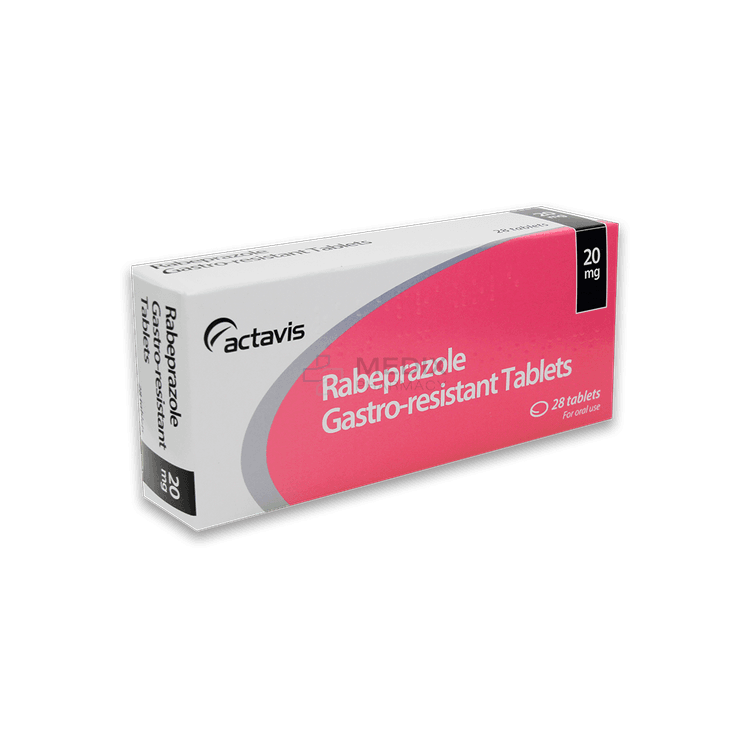
Images for illustrative purposes only
Rabeprazole is a proton pump inhibitor used to reduce stomach acid production for the treatment of gastroesophageal reflux disease (GORD), gastric ulcers and Zollinger-Ellison syndrome.
- Effective relief for symptoms of acid reflux and GORD
- Belongs to the proton pump inhibitor (PPI) class of medication
- Available for NHS repeat and private prescriptions
- Discreet UK home delivery from our registered pharmacy
More information
"Rabeprazole is typically prescribed to manage conditions caused by excess stomach acid, such as acid reflux and peptic ulcers, by inhibiting the proton pumps in the stomach lining. This medication helps heal the oesophagus and prevents further irritation from gastric acid." - Rachael Clarke MRCPharm MFRPSI FRSPH (GPHC Number: 2061366)
You can buy Rabeprazole through Mail My Meds by completing a short online consultation that is reviewed by a UK registered prescriber to ensure the treatment is suitable for you. Once your consultation is approved, your medication is dispensed and shipped directly from our pharmacy (GPHC Number: 9011560) in discreet packaging to ensure your privacy.
The price of Rabeprazole at Mail My Meds is competitive and includes the cost of your online clinical assessment and the private prescription fee. We aim to provide affordable access to essential gastrointestinal treatments for all patients across the UK without hidden charges.
We offer various reliable delivery services to ensure you receive your treatment promptly at your preferred UK address. After our clinical team approves your order, you will receive tracking information so you can monitor the progress of your shipment from our pharmacy to your door.
Rabeprazole is an oral medication used to treat conditions where the stomach produces too much acid, providing relief from heartburn and acid regurgitation. It is frequently used for long-term management of GORD and the short-term healing of erosive oesophagitis or stomach ulcers.
The active ingredient in this medication is Rabeprazole sodium, a gastric pharmaceutical agent that targets the acid-producing cells in the stomach. By reducing the activity of these cells, it allows the digestive tract time to heal from acid-related damage.
Many users report significant improvements in chronic heartburn symptoms and a reduction in the frequency of acid reflux episodes shortly after starting treatment. Individual experiences vary, but clinical data suggests a high success rate in maintaining symptom remission for patients with gastric conditions.
The Patient Information Leaflet (PIL) is included in every box of medication and provides comprehensive details on ingredients, usage and safety. You should read this document thoroughly before starting your course of Rabeprazole to understand how to take the medicine correctly.
Rabeprazole works by blocking the H+/K+ ATPase enzyme system, commonly known as the "proton pump," located in the parietal cells of the stomach wall. By inhibiting this specific enzyme, the medication effectively shuts down the final stage of acid production, leading to a significant decrease in gastric acidity.
- Take the tablet whole with a glass of water.
- Do not crush or chew the tablet as this can prevent it from working properly.
- It is usually recommended to take your dose at the same time each day, often in the morning.
- Follow the specific instructions provided by your prescriber or those found on your prescription label.
The standard dosage for Rabeprazole depends on the condition being treated, but most adults are prescribed 10mg or 20mg once daily. Your prescriber will determine the most appropriate strength and duration based on your medical history and the severity of your symptoms.
Most people tolerate Rabeprazole well, though some may experience mild side effects such as headaches, diarrhoea, nausea or dizziness. While rare, more serious side effects can occur, so it is important to monitor your health and contact a professional if you feel unwell.
You should inform your prescriber if you have liver problems, are pregnant or are taking other medications such as digoxin or warfarin. Long-term use of PPIs like Rabeprazole may be associated with an increased risk of bone fractures or vitamin B12 deficiency in some patient groups.
| Medication | Class | Typical Use |
|---|---|---|
| Rabeprazole | PPI | Fast-acting, long-lasting acid suppression |
| Omeprazole | PPI | Common first-line treatment for GORD |
| Lansoprazole | PPI | Effective for ulcers and reflux symptoms |
| Famotidine | H2 Antagonist | Reduces acid via histamine block (often for milder cases) |
Can I take Rabeprazole with food?
Rabeprazole can be taken with or without food, though taking it before a meal is often recommended for the best results in managing symptoms. Consult your prescriber if you are unsure about the timing of your dose.
Is Rabeprazole available on the NHS?
Yes, Rabeprazole is available via NHS prescription, and Mail My Meds can fulfil these prescriptions through our online platform for your convenience. We support both one-off and repeat NHS electronic prescriptions.
How long does it take for Rabeprazole to start working?
Most patients start to feel some relief from symptoms within a few days, though it may take up to four weeks for the medication to reach its full effect. It is important to continue taking the medication as directed even if you feel better sooner.
The information provided on this page is for general informational purposes only and should not replace seeking professional medical advice from a doctor or pharmacist. Always consult a healthcare professional for personalised guidance regarding your specific health condition and treatments.
Our content is regularly reviewed by our team of medical experts to ensure it remains up to date, accurate and aligned with current UK clinical guidelines. We strive to provide reliable information to help you make informed decisions about your healthcare and prescriptions.


