
General Health
Best Natural Sleep Aids UK: Evidence-Based Remedies for Better Rest


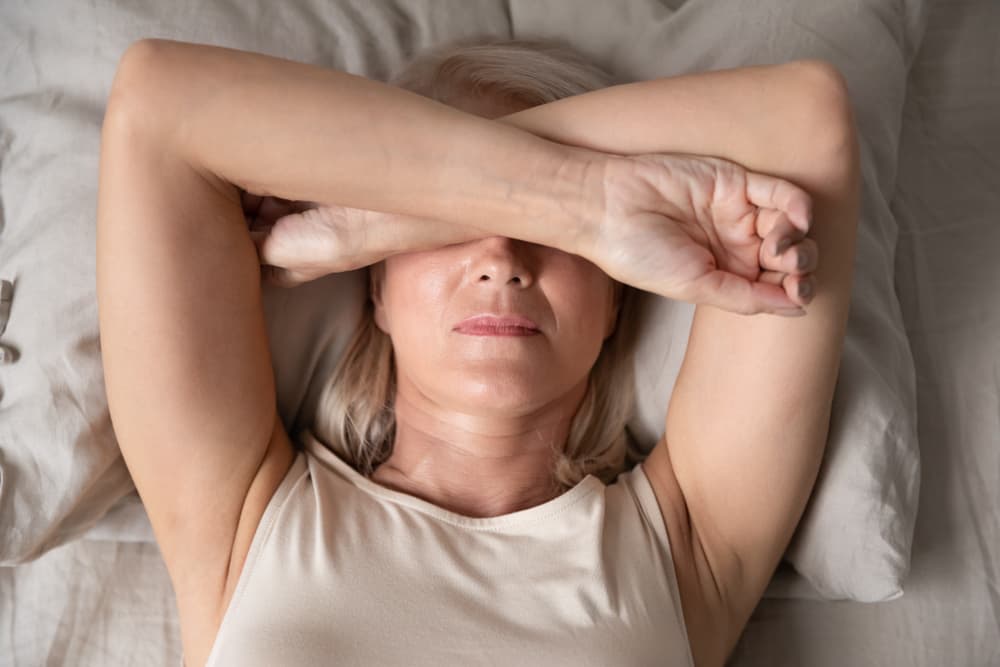
Many people in the United Kingdom struggle with insomnia, poor sleep quality or difficulty falling asleep, leading them to explore natural sleep aids, non-prescription remedies, herbs, supplements and relaxation routines.
This guide explains what the evidence says about popular options, including magnesium, L-theanine, glycine and Montmorency tart cherry, while also covering sleep habits, cognitive behavioural therapy for insomnia (CBTi) and the role of healthcare professionals such as pharmacists and GPs.
It draws on guidance from the NHS (National Health Service), the National Institute for Health and Care Excellence (NICE), the Medicines and Healthcare products Regulatory Agency (MHRA), Cochrane reviews and peer-reviewed trials to help readers make informed choices about improving sleep-onset latency and overall sleep health.
Recent research suggests that melatonin, magnesium, tart cherry and chamomile may offer benefits for some people, while L-theanine and glycine also show promise [1].
In One Sentence:
The best natural sleep aids are usually good sleep hygiene and cognitive behavioural therapy for insomnia (CBTi), with magnesium, L-theanine, glycine and Montmorency tart cherry showing the strongest evidence among natural supplements, while melatonin remains a prescription-only medicine for most people in the UK.
Key Takeaways
What is the single most effective natural sleep aid?
Good sleep hygiene and cognitive behavioural therapy for insomnia (CBTi) remain the most effective approaches for chronic insomnia.
Which supplements have the best evidence?
Magnesium glycinate, L-theanine, glycine and Montmorency tart cherry currently have some of the strongest evidence among dietary supplements.
Can I buy melatonin over the counter in the UK?
No, melatonin is a prescription-only medicine and is not sold as an over-the-counter dietary supplement in the UK.
Does natural mean risk-free?
No, supplements such as 5-HTP, L-tryptophan and ashwagandha can interact with medicines or may not be suitable during pregnancy or for certain health conditions.
When should I see a pharmacist or GP?
Speak to a pharmacist or GP if symptoms persist, you suspect sleep apnoea, experience chronic insomnia or are considering supplements alongside antidepressants or other medicines.
What are natural sleep aids, and do they actually work?
Natural sleep aids are herbal products, food supplements and behavioural techniques that aim to support the body's natural sleep processes.
Sleep depends on a complex interaction between the circadian rhythm, the body clock, light and darkness, sleep drive and hormone signalling. The suprachiasmatic nucleus in the brain helps regulate daily rhythms, while the pineal gland releases melatonin in response to darkness. Melatonin acts on melatonin receptors and helps signal that it is time to sleep.
Other important systems involve GABA (gamma-aminobutyric acid), the central nervous system, cortisol, adenosine and changes in core body temperature. Different natural sleep aids may influence one or more of these pathways.
While some products have clinical evidence supporting their use, results vary between individuals, and no supplement consistently outperforms healthy sleep habits.
What works best for sleep? Your Habits and CBTi
For most people, sleep hygiene and cognitive behavioural therapy for insomnia (CBTi) are more effective than supplements alone.
The NHS and NICE recommend improving sleep habits as a first step, with CBTi considered the first-line treatment for persistent insomnia rather than relying on sleeping tablets [2] [4].
CBTi can include stimulus control, sleep restriction, cognitive reframing and the use of a sleep diary. Digital programmes such as Sleepio, Sleepstation and Every Mind Matters may also help some people build healthier sleep patterns [3].
Sleep Hygiene Checklist
Keep a regular sleep schedule
Go to bed and get up at a consistent bedtime and wake time
Follow a wind-down routine
Reduce blue light exposure from screens before bed
Maintain a dark bedroom
Maintain a quiet bedroom
Maintain a cool bedroom
Consider an eye mask or earplugs if needed
Limit caffeine later in the day
Avoid excessive alcohol before bed
Support sleep quality through regular physical activity
Exercise regularly, but avoid intense sessions close to bedtime
Limit long daytime naps
"Many people focus on supplements first, but the biggest gains often come from improving routine, creating a proper wind-down period and optimising the bedroom environment. CBTi remains the gold standard for persistent insomnia, while supplements should be viewed as supportive tools rather than standalone solutions."
Why is melatonin prescription-only in the UK?
Melatonin is prescription-only in the UK because it is regulated as a medicine rather than a dietary supplement.
Unlike the United States, where melatonin is commonly sold as a dietary supplement, the MHRA regulates melatonin as a hormone-based prescription-only medicine. Melatonin helps regulate the sleep-wake cycle through melatonin receptors. The best-known UK product is Circadin, a 2mg prolonged-release tablet licensed for short-term treatment of primary insomnia in adults aged 55 and over [5].
Other licensed uses include specific paediatric conditions such as those treated with Slenyto. Clinicians may also use off-label prescribing for circumstances including delayed sleep phase disorder or certain cases of jet lag.
A Word of Caution on Buying Melatonin Online
Buying melatonin online from unregulated overseas websites carries risks.
Products marketed as topical melatonin, melatonin gummies or imported supplements may contain inaccurate doses, contaminants or ingredients that differ from the label. The MHRA advises caution around medicines obtained outside regulated supply chains, and counterfeit medicines remain a concern. If melatonin is appropriate, it should be prescribed by a UK clinician and supplied through a registered pharmacy, such as Mail My Meds.
"People sometimes hear about a melatonin loophole online and assume imported products are equivalent to UK medicines. Melatonin is a prescription medicine in the UK, and the safest approach is always to obtain it through a prescriber and registered pharmacy where the dose and quality can be properly assessed."
Which natural supplements have the best evidence for sleep?
Several natural supplements have shown encouraging results, although evidence quality varies.
Magnesium (Glycinate and Bisglycinate)
Magnesium may support sleep by influencing the GABA-A receptor and acting as an NMDA receptor antagonist.
Research suggests magnesium supplementation may reduce sleep onset latency and improve insomnia severity, particularly in people with low dietary magnesium intake or magnesium deficiency. Magnesium glycinate and magnesium bisglycinate are often preferred due to their bioavailability compared with magnesium oxide.
A systematic review and meta-analysis found that magnesium shortened the time taken to fall asleep by around 17 minutes, although the evidence quality was low [6]. A randomised trial also found modest improvements on the Insomnia Severity Index with magnesium bisglycinate [7].
L-theanine
L-theanine may promote relaxation without causing significant next-day grogginess.
This amino acid is naturally found in tea leaves from Camellia sinensis. It appears to increase alpha brain waves associated with relaxation and may reduce perceived stress.
A randomised controlled trial found that L-theanine improved sleep quality over 28 days while reducing stress levels [8].
Many people also enjoy green tea during the day, although caffeine-containing products should be avoided close to bedtime.
Glycine
Glycine is an amino acid and neurotransmitter that may improve sleep quality.
Research suggests that taking 3g glycine before bed can improve subjective sleep quality, reduce next-day tiredness and help lower core body temperature through mechanisms involving vasodilation, inhibitory neurotransmitter activity and NMDA receptors [9].
These effects may help the body transition into deeper sleep more efficiently.
Montmorency Tart Cherry
Montmorency tart cherry may support sleep through its natural melatonin and tryptophan content.
Derived from Prunus cerasus, tart cherry juice contains anthocyanins and procyanidins alongside compounds linked to serotonin and melatonin production. Studies in older adults with insomnia have found modest improvements in sleep time, while a systematic review concluded that larger trials are still needed [10] [11].
A randomised crossover trial found that Montmorency tart cherry concentrate increased urinary melatonin and improved sleep duration [12].
Chamomile and Lavender
Chamomile and lavender may support relaxation as part of a bedtime routine.
Chamomile contains apigenin, a compound thought to interact with calming pathways in the brain. Lavender is widely used in aromatherapy, and lavender oil products such as Silexan have been studied for mild anxiety.
While these approaches are unlikely to resolve significant insomnia alone, they may complement a calming wind-down ritual.
Valerian, and What a Traditional Herbal Registration Really Means
Valerian has a long history of traditional use, but evidence for effectiveness remains limited.
Valerian root (Valeriana officinalis) is found in products such as Kalms Night and Nytol Herbal, often combined with hops or passionflower. A Traditional Herbal Registration (THR) and THR logo indicate standards for manufacturing quality and traditional use, but they do not prove effectiveness. An umbrella review concluded that valerian has a good safety profile but lacks clear efficacy evidence for insomnia [13].
Ashwagandha
Ashwagandha may offer modest benefits for sleep, particularly when stress contributes to symptoms.
This Ayurvedic adaptogen, also known as Withania somnifera, may influence cortisol, the HPA axis and stress responses through compounds called withanolides. Products such as KSM-66 have been studied in randomised trials. A meta-analysis found small but statistically significant improvements in sleep quality [14].
Ashwagandha Safety: Who Should Avoid It
Ashwagandha is not suitable for everyone.
Advice from the National Centre for Complementary and Integrative Health recommends avoiding ashwagandha during pregnancy and breastfeeding and exercising caution in people with thyroid conditions, autoimmune conditions or those taking sedatives, thyroid hormones or immunosuppressants [15].
Rare cases of ashwagandha-related liver injury and hepatotoxicity have been reported. Symptoms such as jaundice or dark urine should be assessed urgently, and suspected adverse effects can be reported through the MHRA Yellow Card scheme [16].
5-HTP and L-tryptophan
5-HTP (5-hydroxytryptophan) and L-tryptophan are serotonin precursors involved in serotonin and melatonin production.
Although these supplements are marketed for sleep and mood support, clinical evidence remains mixed. Importantly, combining 5-HTP with antidepressants or other serotonergic medicines may increase the risk of serotonin syndrome [17].
Important: Do not combine with antidepressants.
People taking antidepressants, triptans or other medicines that affect serotonin should speak to a pharmacist or GP before using 5-HTP or L-tryptophan.
Natural Sleep Remedies at a Glance
Sleep habits and CBTi have the strongest overall evidence and are considered NHS first-line care. Among supplements, magnesium glycinate may influence the NMDA pathway and GABA pathway, L-theanine may support alpha brain waves linked to relaxation, glycine may help lower core body temperature, and Montmorency tart cherry may contribute melatonin and tryptophan to support the sleep-wake signal.
Ashwagandha may help lower cortisol in some individuals. Valerian products carrying a Traditional Herbal Registration may meet quality standards, but evidence of benefit remains uncertain. Melatonin remains a prescription-only medicine rather than a standard food supplement in the UK.
Overall, the strength of evidence is strongest for behavioural approaches and more modest for supplements.
Option | How it may help | Best suited to | UK status | Strength of evidence |
| Sleep habits and CBTi | Retrains thoughts, behaviours and routine that disrupt sleep | Everyone, and the first step for ongoing insomnia | NHS first-line care | Strong |
| Magnesium glycinate | Calms the nervous system via NMDA and GABA pathways; eases muscle tension | People with low magnesium intake or physical restlessness | Food supplement | Modest, mixed |
| L-theanine | Promotes calming alpha brain waves without sedation | A racing, anxious mind at bedtime | Food supplement | Modest, emerging |
| Glycine | Lowers core body temperature to cue sleep readiness | Difficulty settling into sleep | Food supplement | Limited, small studies |
| Montmorency tart cherry | Natural dietary source of melatonin and tryptophan | Mildly disrupted body clock; a gentle food option | Food or juice | Limited, preliminary |
| Valerian | Traditionally used to relax the nervous system | Mild, occasional sleeplessness | Traditional Herbal Registration | Weak, inconsistent |
| Ashwagandha | May lower cortisol and support the stress response | Stress-related poor sleep, with caution | Food supplement; safety cautions apply | Modest, with safety flags |
| 5-HTP and L-tryptophan | Serotonin precursors feeding the melatonin pathway | Limited role; significant interactions | Food supplement; not with antidepressants | Limited, safety concerns |
| Melatonin | Directly reinforces the sleep-wake signal | Adults 55+ with short-term insomnia; jet lag | Prescription-only medicine (MHRA) | Good, for licensed uses |
Are natural sleep aids safe?
Natural sleep aids can be helpful, but natural does not mean risk-free.
Drug interactions, prescription medicines, pregnancy, breastfeeding, alcohol use and underlying health conditions can all affect suitability.
General safety checklist
Check for interactions involving 5-HTP, L-tryptophan, antidepressants and triptans
Use caution with ashwagandha if taking thyroid medicines, sedatives or immune medicines
Avoid some supplements during pregnancy and breastfeeding
Do not combine multiple sedating products with alcohol
Take care when using sleeping tablets alongside supplements
Watch for next-day grogginess that may affect driving or concentration
Choose products from reputable manufacturers
Report suspected side effects through the MHRA Yellow Card scheme
Seek advice if managing polypharmacy
"Natural does not mean risk-free. Interactions involving antidepressants and 5-HTP can be serious because of the potential for serotonin syndrome. Anyone taking regular medicine, or who is pregnant, should speak to a pharmacist before starting a new sleep supplement.”
Option | Key cautions and interactions | Take extra care if you... |
| Magnesium glycinate | Generally well tolerated; high doses can cause loose stools or diarrhoea | have kidney problems |
| L-theanine | Very well tolerated; few known issues; may add to other calming products | are combining several sedating supplements |
| Glycine | Generally well tolerated at typical doses | are unsure about the right dose; ask a pharmacist |
| Montmorency tart cherry | A food, so very safe, though the juice is high in natural sugar | are managing your blood sugar |
| Valerian | Can cause drowsiness; limited pregnancy data; avoid with alcohol | are pregnant, driving or taking other sedatives |
| Ashwagandha | Rare liver-injury reports; interacts with thyroid, sedative and immune medicines | are pregnant or breastfeeding, have a thyroid, liver or autoimmune condition, or are due surgery |
| 5-HTP and L-tryptophan | Risk of serotonin syndrome with serotonergic medicines; tryptophan has a contamination history | take antidepressants, triptans or other serotonergic medicines |
| Melatonin | Prescription medicine; can cause daytime drowsiness; use under medical advice | are prescribed it, and follow your prescriber's guidance |
When should you stop relying on natural remedies and see a pharmacist or GP?
Persistent symptoms or warning signs should prompt professional advice.
If chronic insomnia affects daytime functioning, if you experience daytime tiredness, loud snoring, gasping during sleep or symptoms suggestive of obstructive sleep apnoea, seek advice from a pharmacist or GP.
Other conditions, such as restless legs syndrome or an underlying health condition, may also require assessment, and some people may benefit from referral to a sleep clinic.
Over-the-counter Sedating Antihistamines
Products such as Nytol, diphenhydramine, Sominex and promethazine hydrochloride may provide short-term relief but can cause next-day grogginess and are not intended for long-term use.
Prescription Sleeping Tablets
Prescription sleeping tablets, including Z-drugs such as zopiclone and zolpidem, may occasionally be appropriate, but dependence and tolerance are concerns.
CBTi and a Clinical Review
A clinician can help determine whether CBTi, medication review or further investigations are needed.
How Mail My Meds Can Help
Mail My Meds is a UK online pharmacy that supports patients with NHS prescriptions and private prescriptions.
As a pharmacy regulated by the General Pharmaceutical Council (GPhC), Mail My Meds offers discreet delivery and access to a knowledgeable pharmacy team. Whether you need advice about melatonin prescriptions, supplement safety, repeat prescriptions or the Electronic Prescription Service (EPS), pharmacists can help you make informed decisions about your sleep health.
Frequently Asked Questions
What is the best natural sleep aid for anxiety at night?
For people with anxiety at bedtime, L-theanine may help promote calm without sedation, particularly when combined with relaxation techniques, a consistent wind-down routine and CBTi.
Is melatonin legal in the UK?
Yes, melatonin is legal in the UK, but it is a prescription-only medicine rather than an over-the-counter dietary supplement. It should be obtained through a prescriber rather than unregulated overseas websites.
Does magnesium really help you sleep?
Magnesium may help some people sleep, especially those with low dietary magnesium intake. Evidence remains relatively low quality overall, but magnesium glycinate is commonly chosen because of its bioavailability.
Can I take natural sleep supplements with antidepressants?
Not always. 5-HTP and L-tryptophan may interact with antidepressants, triptans and other medicines, increasing the risk of serotonin syndrome. Always consult a pharmacist, GP or prescriber before combining them with a prescription medicine.
Are herbal sleep remedies like valerian proven to work?
Valerian has a long history of traditional use, and products may carry a Traditional Herbal Registration (THR), but current evidence does not clearly demonstrate efficacy despite a generally favourable safety profile.
How long should I try a natural sleep aid before seeing a doctor?
If symptoms persist for around three months, affect daily life or occur alongside loud snoring, suspected sleep apnoea or significant daytime tiredness, speak to a pharmacist or GP.
Final Thoughts from Our Superintendent Pharmacist
"Good sleep habits, a comfortable bedroom environment and CBTi remain the foundations of better sleep. Supplements such as magnesium, L-theanine, glycine and Montmorency tart cherry may offer additional support for some people, but they are not substitutes for addressing the underlying causes of insomnia. Melatonin remains a prescription medicine in the UK, and natural does not mean risk-free, especially if you take regular medication or are pregnant. If you experience loud snoring, daytime exhaustion or ongoing sleep problems, speak to a pharmacist. At Mail My Meds, we are here to help you make safe, informed decisions about your sleep health."
Sources
[2] Insomnia - NHS
[3] Fall asleep faster and sleep better - Every Mind Matters - NHS
[5] Circadin 2 mg Prolonged-release Tablets - Patient Information Leaflet (PIL) - (emc) | 2809
[10] Pilot Study of the Tart Cherry Juice for the Treatment of Insomnia and Investigation of Mechanisms
[13] Does valerian work for insomnia? An umbrella review of the evidence - ScienceDirect
[15] Ashwagandha: Usefulness and Safety | NCCIH
[16] Ashwagandha: Is it helpful for stress, anxiety, or sleep? - Health Professional Fact Sheet
[17] 5-HTP - MSKCC
About the author
Blog author


Dayna Sheppard
Dayna is a pharmacy manager with over 15 years of pharmacy experience. She is focused on delivering a safe and excellent pharmacy service for patients.
Medically reviewed by
Medical reviewer

Taslima Hussain
Taslima is a pharmacist who is passionate about patient care. She has experience working in community pharmacy as a locum.


