
Free delivery on all NHS prescriptions — order now
- Home
- Weight Loss
- Weight Loss Treatments
- Wegovy Pill (Oral Semaglutide Tablet)
Wegovy Pill (Oral Semaglutide Tablet)

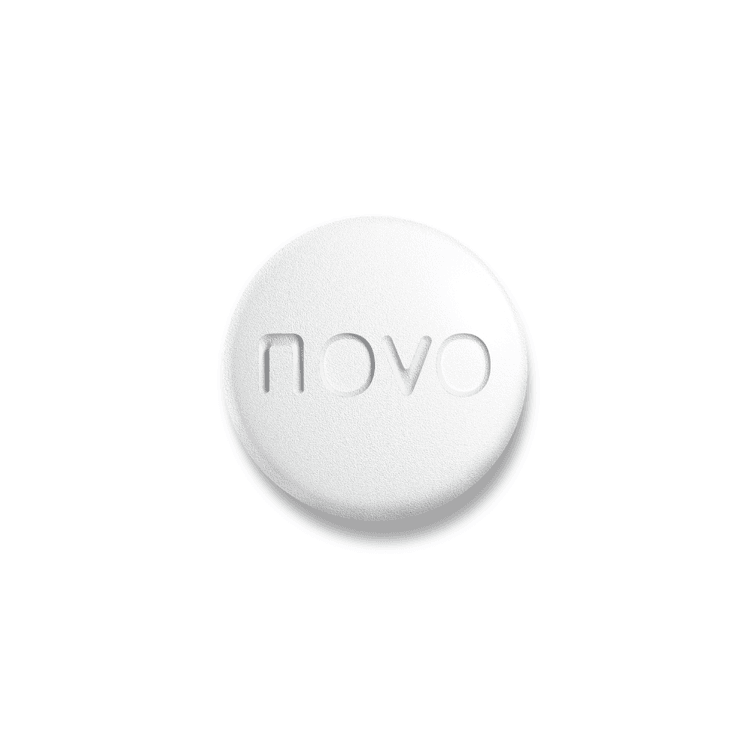


Images for illustrative purposes only
The Wegovy pill is a once-daily oral semaglutide tablet, a needle-free GLP-1 option for weight management. This medicine helps regulate appetite and is available on prescription through our GPhC-registered pharmacy, following an online consultation and clinician assessment.
- Assessed: By a GMC-registered prescriber.
- Dosing: One tablet a day, on an empty stomach.
- Verified: BMI check in your consultation.
- Delivery: Sent in discreet packaging.
More information
An overview from our Superintendent Pharmacist
At a glance
- What it is: a once-daily oral semaglutide tablet, the needle-free form of the GLP-1 medicine used for weight management.
- How you get it: it is a prescription-only medicine (POM), so it is accessed through an online consultation and prescriber approval, not bought over the counter.
- How to take it: each morning on an empty stomach after fasting for at least 8 hours, with a small sip of plain water, then nothing to eat, drink or swallow for 30 minutes.
- The dose builds up slowly: 1.5 mg, then 4 mg, 9 mg and 25 mg, spending at least one month at each step.
- How it works: it mimics the natural GLP-1 hormone to curb appetite and increase fullness, used alongside a reduced-calorie diet and more activity.
- Common side effects are mostly gastrointestinal, such as nausea, diarrhoea and constipation, and often ease as your body adjusts.
- It is not right for everyone: a prescriber checks your BMI, medical history and other medicines first.
The Wegovy pill gives people who want a GLP-1 medicine, but would rather avoid injections, a genuine once-daily, needle-free option. It contains the same active ingredient as the Wegovy injection, semaglutide, and works in the same way to help regulate appetite. The single most important thing to understand is the morning routine: it must be taken on an empty stomach with only a sip of water, then a 30-minute wait before anything else, or the body simply will not absorb it properly. It is prescription-only for good reason, so we assess every patient's BMI, medical history and current medicines before it is prescribed. If you are living with obesity, or are overweight with a related health condition, starting an online consultation is the safest first step.
What is the Wegovy pill (oral semaglutide)?
The Wegovy pill is a once-daily tablet form of semaglutide, a GLP-1 receptor agonist used for long-term weight management in adults. Made by Novo Nordisk, it delivers the same active ingredient as the Wegovy injection in a needle-free tablet. The Medicines and Healthcare products Regulatory Agency (MHRA) approved it in the UK on 11 June 2026, making it the first oral GLP-1 medicine licensed here for weight loss.
Because it is a prescription-only medicine, the Wegovy pill is not something you can simply add to a basket. It is prescribed only after a clinician has reviewed your health through an online consultation and confirmed it is suitable for you. It is designed to be used alongside a reduced-calorie diet and increased physical activity, not on its own.
Read more: What Is the Wegovy Pill? · Semaglutide Brands Explained
How do you get the Wegovy pill in the UK?
You get the Wegovy pill in the UK on prescription, after completing a short online consultation so a prescriber can check it is right for you. At Mail My Meds, our GPhC-registered pharmacy handles this end to end, from clinical assessment to discreet delivery, so there is no need to visit a clinic in person.
- Complete the online consultation. Answer a confidential set of medical questions about your weight, height (to calculate your BMI), health conditions and any medicines you take.
- Clinical review. A prescriber checks your answers against the eligibility criteria and safety information. They may ask a follow-up question or request more detail.
- Prescription and dispensing. If treatment is appropriate, your prescription is issued and dispensed by our pharmacy. If it is not suitable, we will explain why and suggest safer options.
- Delivery and support. Your medicine is delivered discreetly, with clear instructions and access to our pharmacy team if you have questions.
This consultation-led route is a legal requirement for weight-loss medicines, and it is there to keep you safe. If a website offers to sell a GLP-1 medicine with no genuine assessment, that is a warning sign.
How FitXpress supports a safe consultation
FitXpress is the Mail My Meds tool that helps you start your consultation and gather what a prescriber needs to assess you, but it supports our clinicians rather than replacing them. A registered prescriber reviews your case, independently confirms your weight, height and BMI, and makes the final decision on whether to prescribe. The steps below show how it works.
How FitXpress works
- Start: Tell us which type of treatment you are enquiring about, so we can ask the right questions.
- Consult: Complete a confidential medical questionnaire about your health and history.
- Scan: Upload two photos (fully clothed, in an A-pose) to help estimate your measurements as part of your assessment.
- Clinical review: A GMC-registered prescriber reviews your information, independently verifies your BMI, and issues a prescription only if treatment is appropriate and safe for you.
Top tips for a clear scan:
- Wear fitted rather than baggy clothing, so your shape is easier to see.
- Stand in a well-lit area against a plain, light-coloured wall.
- Use the voice assistant feature if you are taking the photos yourself.
- Make sure your whole body is visible in the frame.
How does the Wegovy pill work?
The Wegovy pill works by mimicking a natural gut hormone called glucagon-like peptide-1 (GLP-1), which helps to control appetite. As a GLP-1 receptor agonist, semaglutide acts on appetite centres in the brain to increase feelings of fullness (satiety) and reduce hunger, so most people naturally eat less and find it easier to maintain a caloric deficit.
It also slows the rate at which the stomach empties (delayed gastric emptying), which can prolong that feeling of fullness after meals. The tablet contains exactly the same active ingredient as the injection, but instead of being absorbed through fatty tissue under the skin, it is absorbed across the stomach lining. Semaglutide is a large molecule that does not cross the gut wall easily, which is why the tablet includes an absorption enhancer and why the fasting routine described below matters so much.
Read more: How Does the Wegovy Pill Work?
People often describe a drop in what they call "food noise", the constant background pull towards snacking. That happens because the medicine is working on appetite signalling, not willpower. It is a tool that makes the diet and activity changes more achievable, rather than a replacement for them.
How do you take the Wegovy pill? Dosing and the fasting rule
You take one Wegovy tablet each morning on an empty stomach, and the timing rules are strict because they decide whether the medicine is absorbed at all. Oral semaglutide has naturally low bioavailability, so eating or drinking too soon can stop it working. Follow this routine every day:
- Take it first thing in the morning, after fasting for at least 8 hours (an overnight fast usually covers this).
- Swallow the tablet whole with no more than a small sip of plain water (up to about 120 ml, or 4 fluid ounces). Do not split, crush, chew or dissolve it.
- Then wait at least 30 minutes before you eat, drink anything else (including tea, coffee or juice), or take any other oral medicines or supplements.
- After the 30 minutes, you can eat and drink and take your other medicines as normal.
Why this matters: if you eat, drink or take other tablets too soon, your body may absorb little or none of the dose, and the treatment can stop working. The fasting window is not optional.
Read more: How to Take the Wegovy Pill Correctly · Wegovy Pill Dosage and Titration Schedule · What to Eat on the Wegovy Pill
What is the dose escalation schedule?
The dose is increased gradually, or titrated, to help your body adjust and to reduce side effects. You spend a minimum of one month at each step before moving up.
| Stage | Daily dose | Purpose |
|---|---|---|
| Month 1 | 1.5 mg once daily | Starting dose, to build tolerance |
| Month 2 | 4 mg once daily | First increase |
| Month 3 | 9 mg once daily | Second increase |
| Month 4 onwards | 25 mg once daily | Maintenance dose |
Your prescriber may keep you on a lower dose for longer, or adjust the plan, if you are experiencing side effects. If you already use the once-weekly 2.4 mg semaglutide injection, you can usually switch directly to the 25 mg daily tablet, but only under prescriber guidance.
What should you do if you miss a dose?
If you forget a dose, skip it and take your next tablet at the usual time the following morning. Do not take two tablets on the same day, and do not take a tablet later in the day once you have eaten, as it will not be absorbed. Always read the Patient Information Leaflet (PIL) and follow your prescriber's advice.
Read more: Missed or Late Dose of the Wegovy Pill: What to Do
The patients who do best are the ones who build the tablet into a fixed morning habit, for example taking it the moment they wake, then showering and getting ready during the 30-minute window before breakfast. Treat that half hour as part of the dose, not an inconvenience.
How much does the Wegovy pill cost?
At Mail My Meds, a 30-tablet pack of the Wegovy pill (one month's supply) costs £99.99 at the 1.5 mg starting dose, £104.99 at 4 mg, £123.99 at 9 mg and £184.99 at the 25 mg maintenance dose. Prices include the prescriber and pharmacy costs, so there is no separate prescription fee. Prices are subject to change.
| Daily dose | Stage | Pack | Price |
|---|---|---|---|
| 1.5 mg | Month 1 (starting dose) | 30 tablets | £99.99 |
| 4 mg | Month 2 | 30 tablets | £104.99 |
| 9 mg | Month 3 | 30 tablets | £123.99 |
| 25 mg | Month 4 onwards (maintenance dose) | 30 tablets | £184.99 |
Your prescriber decides which strength you take and when it goes up. The dose usually rises one strength at a time, at least a month apart, as set out in the dose escalation schedule above. Payment is pre-authorised when you order and only taken if a prescriber approves treatment; if not, the funds are released within 3 to 5 working days. Orders are sent by Royal Mail Tracked 24 in discreet packaging.
What is obesity and why does weight gain happen?
Obesity is a long-term health condition where excess body fat reaches a level that can harm your health, usually defined in adults as a body mass index (BMI) of 30 or above. It is recognised by the NHS and the World Health Organization as a chronic, relapsing condition, not simply a lifestyle choice, and it raises the risk of type 2 diabetes, heart disease, high blood pressure, certain cancers, joint problems and sleep apnoea.
Weight gain happens when the body takes in more energy than it uses over time, but the reasons behind that balance are rarely simple. Common contributing factors include:
- Diets high in energy-dense, processed foods and sugary drinks.
- Low levels of physical activity and long periods spent sitting.
- Genetics and family history, which influence appetite and how the body stores fat.
- Hormonal and metabolic conditions, such as an underactive thyroid or polycystic ovary syndrome (PCOS).
- Some medicines, including certain steroids, antidepressants and antipsychotics.
- Poor sleep, chronic stress, and the way appetite hormones such as leptin and ghrelin regulate hunger.
How common is obesity in the UK?
Obesity is very common in the UK and it is rising. Around 29% of adults in England are living with obesity, and roughly two in three adults (about 64%) are overweight or living with obesity, according to the Health Survey for England and the House of Commons Library. Excess weight is now one of the leading preventable causes of ill health and cost to the NHS.
Because so many people are affected, demand for effective, medically supervised weight-management treatments has grown quickly, which is part of why a needle-free oral option has been so widely anticipated.
What are the treatment options for weight management?
Weight management usually starts with diet, activity and behaviour change, with medicines and surgery added for people who meet specific clinical criteria. The main options in the UK differ in how they work, how they are taken and who they suit. The table below compares them as balanced information, not a ranking.
| Option | Type | How it works | Route | Access |
|---|---|---|---|---|
| Diet, activity and behaviour change | Lifestyle | Creates a caloric deficit and improves overall health | Everyday habits | Self-managed or via NHS services |
| Orlistat (Alli, Xenical) | Lipase inhibitor | Reduces the amount of dietary fat absorbed by the gut | Oral capsule | Alli (60 mg) is pharmacy-only; Xenical (120 mg) needs a prescription |
| Wegovy pill (oral semaglutide) | GLP-1 receptor agonist | Curbs appetite and increases fullness | Once-daily tablet (needle-free) | Prescription-only, via consultation |
| Semaglutide injection (Wegovy) | GLP-1 receptor agonist | Curbs appetite and increases fullness | Once-weekly injection | Prescription-only, via consultation |
| Tirzepatide (Mounjaro) | GIP/GLP-1 receptor agonist | Acts on two gut-hormone pathways to reduce appetite | Once-weekly injection | Prescription-only, via consultation |
| Bariatric surgery | Surgical | Reduces stomach size or alters digestion | Operation | Specialist NHS or private referral |
GLP-1 medicines such as semaglutide have been shown in clinical trials to produce clinically meaningful, sustained weight loss when combined with diet and activity. The 25 mg oral tablet was tested in the phase 3 OASIS 4 trial1, published in the New England Journal of Medicine in 2025, which found significantly greater weight loss than placebo over 64 weeks, broadly comparable to the once-weekly 2.4 mg injection studied in the STEP 1 trial3. A separate head-to-head study, the SURMOUNT-5 trial7, compared semaglutide with tirzepatide. Weight tends to return if treatment stops, as seen in the STEP 4 maintenance trial4, which is why lifestyle change matters alongside medication. Individual results vary, and a prescriber will help you weigh up which option fits your health, preferences and circumstances.
Beyond weight itself, semaglutide has shown cardiovascular benefits in related trials, lowering the risk of major cardiovascular events in people with overweight or obesity and existing heart disease in the SELECT trial5, and in high-risk type 2 diabetes in the SOUL trial6. These cardiovascular indications are separate from weight management, so ask your prescriber what applies to you.
Read more: Wegovy Pill vs Wegovy Injection · Wegovy Pill vs Mounjaro · Wegovy Pill vs Orlistat · Weight-Loss Tablets vs Injections
What are the most popular weight-loss treatments?
The most widely used prescription weight-loss treatments in the UK are now the GLP-1 medicines, chiefly semaglutide and tirzepatide, alongside the longer-established orlistat. GLP-1 treatments have grown quickly in popularity because they target appetite directly and support sustained results when used with lifestyle change. The arrival of the Wegovy pill adds a needle-free, once-daily choice to this group, which is expected to appeal to people who are uncomfortable with injections. Popularity does not mean a medicine is right for you, though, which is why every option is assessed individually.
What are the common side effects of the Wegovy pill?
The most common side effects of the Wegovy pill are gastrointestinal, such as nausea, diarrhoea, vomiting and constipation. They are usually mild to moderate, tend to appear when you start or increase the dose, and often settle as your body adjusts. Because the tablet passes through the digestive tract every day, some people notice these effects a little more at first than with the weekly injection.
| Side effect | How often it was reported | What can help |
|---|---|---|
| Nausea | Very common (around 44%) | Smaller, plainer meals; eat slowly; avoid rich or fatty food |
| Diarrhoea | Very common (around 30%) | Stay hydrated; contact your prescriber if severe or persistent |
| Vomiting | Very common (around 24%) | Sip fluids; seek advice if you cannot keep fluids down |
| Constipation | Very common (around 24%) | More fibre and fluids; gentle activity |
| Abdominal pain | Common (around 20%) | Usually eases; see below for warning signs |
| Headache, fatigue, dizziness | Common | Rest and hydration; tell your prescriber if ongoing |
Less common but more serious risks include inflammation of the pancreas (pancreatitis), gallbladder problems such as gallstones, low blood sugar (hypoglycaemia) if used with insulin or certain diabetes medicines, and dehydration that can affect the kidneys. A 2023 analysis in JAMA8 examined gastrointestinal risks such as pancreatitis with GLP-1 medicines used for weight loss, while a meta-analysis in JAMA Internal Medicine10 looked at the link with gallbladder and biliary disease. In rodent studies, semaglutide caused thyroid C-cell tumours; whether this applies to humans is not known. Always read the Patient Information Leaflet for the full list.
Read more: Wegovy Pill Side Effects and How to Manage Them · Wegovy Pill Safety Warnings Explained
Early nausea is common and usually improves within a few weeks, and the slow dose build-up is designed to soften it. What is not normal is severe, persistent tummy pain that spreads to your back, or being unable to keep fluids down. Those are reasons to stop and get medical advice rather than push through.
What is it like to live with excess weight and start treatment?
Living with obesity is about far more than a number on the scales, and people commonly describe it affecting energy, joints, sleep, mood and confidence, as well as their long-term health worries. Many also describe a constant preoccupation with food that can make dieting alone feel exhausting.
When people start a GLP-1 medicine, the experiences most often reported in clinical trials and practice include a noticeably smaller appetite, feeling full sooner, and less of that background urge to snack. The trade-off, particularly in the first few weeks, is the gastrointestinal side effects described above, which tend to ease with time. For the oral tablet specifically, people frequently mention that the daily morning fasting routine takes some getting used to. Experiences differ from person to person, and treatment works best when it supports, rather than replaces, changes to diet and activity.
Who is suitable for the Wegovy pill?
The Wegovy pill is licensed for adults who are living with obesity or are overweight with a weight-related health condition, used together with a reduced-calorie diet and more physical activity. In line with its UK licence, you may be suitable if you have:
- A BMI of 30 or above (obesity); or
- A BMI of 27 to under 30 (overweight) and at least one weight-related condition, such as type 2 diabetes, high blood pressure, raised cholesterol or obstructive sleep apnoea.
Suitability is not decided on BMI alone. During your consultation, the prescriber also considers your full medical history, your other medicines, and whether you are ready to make the accompanying lifestyle changes. Some people who meet the BMI criteria will still not be suitable for safety reasons, which is exactly what the assessment is there to check.
Read more: Who Can Take the Wegovy Pill? · The Wegovy Pill for Women
Warnings and precautions: who should not take it?
The Wegovy pill is not suitable for everyone, and some people should not take it at all. You should not use it, or should use it only with specialist advice, if any of the following apply:
- You are pregnant, breastfeeding or trying to conceive. Semaglutide should be stopped at least two months before a planned pregnancy because it stays in the body for some time.
- You have a personal or family history of medullary thyroid cancer or the condition multiple endocrine neoplasia type 2 (MEN 2).
- You have had pancreatitis or a serious allergic reaction to semaglutide or any of the ingredients.
- You have significant gallbladder, kidney or gastrointestinal disease, or type 1 diabetes.
Extra care is needed if you take insulin or medicines that lower blood sugar (risk of hypoglycaemia), or medicines where timing and absorption matter, such as the contraceptive pill or thyroid medication. Because of the 30-minute fasting window, tell your prescriber about everything you take. This is not a full list, so always read the Patient Information Leaflet and share your complete medical history during the consultation.
When should you see a doctor?
Seek medical help promptly if you develop warning signs while taking the Wegovy pill. Contact a doctor, or call 111, if you experience:
- Severe, persistent abdominal pain, especially if it spreads to your back or comes with vomiting, which can be a sign of pancreatitis.
- Pain in the upper-right abdomen, fever, or yellowing of the skin or eyes, which can suggest a gallbladder problem.
- Signs of dehydration or reduced urination after ongoing vomiting or diarrhoea.
- Symptoms of low blood sugar, such as shakiness, sweating and confusion (more likely alongside diabetes medicines).
Call 999 or go to A&E if you have signs of a serious allergic reaction, such as swelling of the face, lips or throat, or difficulty breathing. If you are unsure whether the medicine still suits you, our pharmacy team is here to help.
Lifestyle and risk factors
Medicine works best when it sits alongside healthy habits, and the same factors that raise the risk of weight gain are the ones that treatment and lifestyle change aim to address. Key modifiable factors include:
- Diet: a balanced, reduced-calorie diet with plenty of vegetables, fibre and protein, and fewer sugary drinks and ultra-processed foods.
- Physical activity: the UK guidance of at least 150 minutes of moderate activity a week, plus strength work twice a week.
- Sleep: poor or short sleep disrupts appetite hormones and makes weight harder to manage.
- Alcohol: alcoholic drinks add significant calories and can increase appetite.
- Stress: chronic stress can drive comfort eating and affect where the body stores fat.
Non-modifiable factors such as genetics, age and some medical conditions also play a part, which is why weight is best managed with support rather than blame.
How do you start treatment with the Wegovy pill?
You start by completing an online consultation, which is the first and most important step. It takes just a few minutes and lets a prescriber assess whether the Wegovy pill is safe and appropriate for you. If it is, your treatment is dispensed by our GPhC-registered pharmacy with clear guidance on the fasting routine and dose schedule. If it is not, we will explain why and point you towards suitable alternatives.
Are there non-medical ways to manage weight?
Yes. For many people, diet, activity and behavioural change remain the foundation of weight management, whether or not medicine is involved. For example, the UK DiRECT trial11 showed that a structured, primary-care weight-management programme can put type 2 diabetes into remission for many people. Evidence-based approaches include:
- Structured dietary change, such as a balanced reduced-calorie plan or a Mediterranean-style diet.
- Regular physical activity, building gradually to the UK weekly targets.
- Behavioural support, including goal setting, self-monitoring and, where available, the NHS Digital Weight Management Programme or a Tier 2 weight-management service.
- Improving sleep and managing stress, both of which influence appetite and eating patterns.
These approaches can be used on their own or, for eligible people, alongside prescribed treatment. Your GP or our pharmacy team can help you find the right combination.
Frequently asked questions
Is the Wegovy pill as effective as the injection?
In phase 3 trials, the 25 mg Wegovy tablet produced weight loss broadly comparable with the once-weekly 2.4 mg semaglutide injection, when used alongside diet and activity. It contains the same active ingredient and works in the same way. The tablet mainly suits people who prefer a daily pill to a weekly injection. Individual results vary, and your prescriber will advise which option is right for you.
How do you take the Wegovy pill?
Take one tablet each morning on an empty stomach, after fasting for at least 8 hours. Swallow it whole with a small sip of plain water, up to about 120 ml, and do not crush or chew it. Then wait at least 30 minutes before eating, drinking anything else or taking other medicines. Following this routine is essential, because the medicine is poorly absorbed if you eat or drink too soon.
Do you need a prescription for the Wegovy pill in the UK?
Yes. The Wegovy pill is a prescription-only medicine in the UK, so it cannot be bought over the counter. You need to complete an online consultation so a prescriber can check your BMI, medical history and current medicines before deciding whether it is suitable. This assessment is a legal requirement and a safety safeguard.
Can you get the Wegovy pill on the NHS?
No. The Wegovy pill is not currently available on the NHS. It is a private treatment only, prescribed after an online consultation with a registered prescriber. The NHS offers separate weight-management support through GPs and specialist services, but this does not currently include the Wegovy pill. NHS access could change in future if national guidance is issued.
What is the difference between the Wegovy pill and Rybelsus?
Both are oral semaglutide tablets, but they are licensed for different purposes and use different doses. Rybelsus is licensed to help manage type 2 diabetes, whereas the Wegovy pill is licensed for weight management and uses a higher maintenance dose of 25 mg. They are not interchangeable, and a prescriber will confirm which, if either, is appropriate for you.
What happens if you eat too soon after taking the Wegovy pill?
If you eat, drink anything other than the small sip of water, or take other tablets within 30 minutes, your body may absorb little or none of the dose. This can stop the medicine working properly. If it happens occasionally, do not take an extra tablet; simply return to the correct routine the next morning and speak to your pharmacist if you are unsure.
Can you switch from the Wegovy injection to the pill?
Often, yes. People established on the once-weekly 2.4 mg semaglutide injection can usually switch directly to the 25 mg daily tablet, but only under prescriber guidance. Your prescriber will confirm the timing and make sure the change is right for you, so never switch on your own.
How long do you take the Wegovy pill for?
Obesity is a long-term condition, so weight-management medicines are generally used over the longer term rather than as a short course, with regular reviews to check they are still helping and well tolerated. If treatment is stopped, some weight regain is common, which is why ongoing lifestyle changes matter. Your prescriber will agree a plan and review it with you.
What are the most common side effects of the Wegovy pill?
The most common side effects are gastrointestinal, including nausea, diarrhoea, vomiting and constipation. They are usually mild to moderate, most likely when you start or increase the dose, and often ease over time. Less common but serious risks include pancreatitis and gallbladder problems, so read the Patient Information Leaflet and report severe or persistent symptoms.
Wegovy pill guides
Sources and references
Key studies, trials and reviews
- Wharton S, et al. Oral Semaglutide at a Dose of 25 mg in Adults with Overweight or Obesity (OASIS 4). New England Journal of Medicine, 2025.
- Knop FK, et al. Oral semaglutide 50 mg once daily in adults with overweight or obesity (OASIS 1). The Lancet, 2023.
- Wilding JPH, et al. Once-Weekly Semaglutide in Adults with Overweight or Obesity (STEP 1). New England Journal of Medicine, 2021.
- Rubino D, et al. Continued Weekly Subcutaneous Semaglutide vs Placebo on Weight-Loss Maintenance (STEP 4). JAMA, 2021.
- Lincoff AM, et al. Semaglutide and Cardiovascular Outcomes in Obesity without Diabetes (SELECT). New England Journal of Medicine, 2023.
- McGuire DK, et al. Oral Semaglutide and Cardiovascular Outcomes in High-Risk Type 2 Diabetes (SOUL). New England Journal of Medicine, 2025.
- Aronne LJ, et al. Tirzepatide as Compared with Semaglutide for the Treatment of Obesity (SURMOUNT-5). New England Journal of Medicine, 2025.
- Sodhi M, et al. Risk of Gastrointestinal Adverse Events Associated With GLP-1 Receptor Agonists for Weight Loss. JAMA, 2023.
- GLP-1 Receptor Agonists and Gastrointestinal Adverse Events: A Systematic Review and Meta-Analysis. Gastroenterology, 2025.
- He L, et al. GLP-1 Receptor Agonist Use and Risk of Gallbladder and Biliary Diseases: A Systematic Review and Meta-analysis. JAMA Internal Medicine, 2022.
- Lean MEJ, et al. Primary care-led weight management for remission of type 2 diabetes (DiRECT). The Lancet, 2018.
Further reading
- MHRA approves semaglutide oral tablets for weight loss. The Pharmaceutical Journal, 2026.
- Obesity. NHS.
- Overweight and obesity management (NG246). National Institute for Health and Care Excellence (NICE).
- Semaglutide. British National Formulary (BNF).
- Health Survey for England: adults' overweight and obesity. NHS England Digital.
- Obesity statistics. House of Commons Library.
Medical disclaimer
This information is provided for general informational purposes only and does not replace personalised advice from a qualified healthcare professional. It should not be used to self-diagnose or self-treat. Always read the Patient Information Leaflet, and speak to your GP, pharmacist or prescriber before starting, stopping or changing any medicine. If you feel unwell, seek medical advice promptly.
Our commitment to content accuracy
Our content is written by our pharmacy team and regularly reviewed by our medical experts to make sure it stays accurate, evidence-based and up to date. We use trusted sources such as the NHS, NICE, the British National Formulary (BNF), the MHRA and the manufacturer's Summary of Product Characteristics and Patient Information Leaflet. If you think something is unclear or out of date, please let us know.
Author


Content last updated: